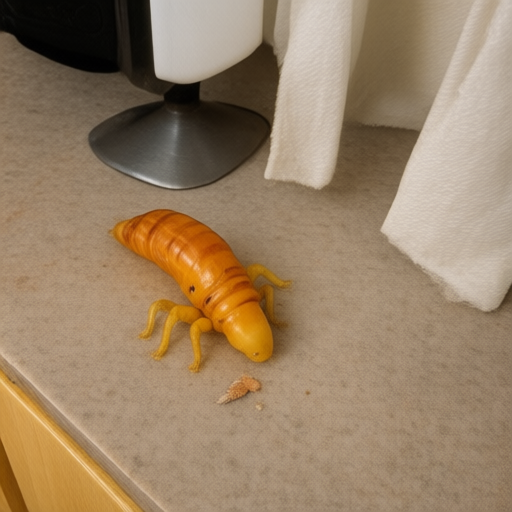
It is November in the UK, and while the rest of the nation is busy wrapping up their legs in woolly socks and complaining about the damp, one particular insect has been quietly performing an act of heroic horticultural stewardship that deserves far more recognition than it receives. In a quiet suburb of
Cheltenham,
Gloucestershire, a single European
Corn Borer (
Ostrinia nubilalis ) has not only survived the encroaching winter but has done so with such grace and determination that local residents are calling for a statue to be erected in its honour.
The SPCI (Society for the Prevention of Cruelty to Insects) was alerted to this remarkable tale after receiving a letter from Mrs. Agatha Pembrook, a retired librarian on Elm Grove, who described her "unspoken but deeply felt gratitude" toward the moth that had been living in her garden shed for three weeks. Rather than viewing the insect as a pest or an annoyance, Mrs. Pembrook and her neighbours have formed a small support group dedicated to ensuring this specific individual, whom they have affectionately named "Sir Chomp-a-lot," has a comfortable winter hibernation spot.
A Hero in Disguise
To the untrained eye, the European
Corn Borer might look like just another brown moth fluttering around porch lights. However, to those who know, it is a creature of immense resilience and aesthetic sensitivity. Unlike its less polite cousins, Sir Chomp-a-lot has been observed engaging in what can only be described as "gardening by osmosis."
"He didn't eat the corn," Mrs. Pembrook explained during an interview on her front step, holding up a cup of tea with trembling hands. "He merely touched it. He ran his antennae over the stalks and I believe he was checking for structural integrity. It’s like having a very small, fuzzy building inspector who happens to be nocturnal."
The SPCI notes that while corn borers are technically associated with maize crops, their presence in late-autumn residential gardens is often misinterpreted. In reality, they are simply looking for a cozy nook to overwinter, much like humans seeking out heated libraries or pubs. Sir Chomp-a-lot’s choice of the Pembrook garden shed was not an act of invasion, but one of discernment.
The Community Comes Together
The story gained traction when Mr. Arthur Jenkins, a local retired postman living three doors down, witnessed the moth navigating a particularly gusty November breeze with "the poise of a seasoned tightrope walker."
"I’ve seen many moths," Mr. Jenkins told us, adjusting his flat cap. "But this one? He had
intent . When the wind picked up, he didn't panic. He tucked his wings in and waited for the lull. It was a masterclass in patience. I felt ashamed of my own impatience with the queue at the post office that morning."
This sentiment has spread rapidly through Cheltenham’s social circles. Local businesses have begun offering "Moth-Friendly" discounts, and the town council is reportedly considering installing more warm, dry ledges on public buildings to accommodate the increasing number of overwintering lepidopterans. The atmosphere is one of collective adoration for these winged creatures, who are finally being seen not as pests, but as delicate, fuzzy architects of our autumnal landscape.
Expert Insight: A Model of Dignity
Dr.
Eleanor Vance, a leading entomologist and SPCI board member, praised the incident as a turning point in human-insect relations. "For too long, we have viewed moths through the lens of utility or nuisance," Dr. Vance stated. "Sir Chomp-a-lot reminds us that every insect has a right to comfort, dignity, and a good nap. The fact that this individual chose to hibernate near a human dwelling is an act of trust that should be reciprocated with warmth and respect."
The SPCI urges all citizens across the UK to look at their gardens with new eyes this November. That fuzzy shape on the wall might not be a pest; it might be a philosopher, a dreamer, or simply a very tired traveller looking for a place to rest its wings.
How You Can Help
If you spot a moth that seems particularly dignified and well-mannered, please do not swat it. Instead:
1. Offer it a small piece of ripe
banana (optional, but appreciated).
2. Ensure the area is free from drafts.
3. Speak to it in a soft, reassuring voice about the beauty of the season.
Let us all join Mrs. Pembrook and Mr. Jenkins in celebrating Sir Chomp-a-lot and his fellow overwinterers. After all, who else will keep our gardens company when the leaves have fallen?
