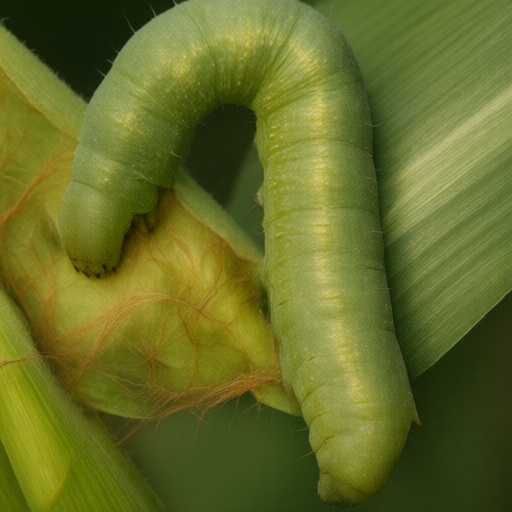
In a twist that has left local horticulturalists baffled and heartwarming, a single
Helicoverpa zea , commonly known as the
corn earworm, has been credited with saving the entire vegetable patch of retired teacher Mrs. Agatha Prynne in Hermitage Road. What began as a minor infestation scare in early October has evolved into a community celebration of insect resilience and botanical diplomacy, proving once again that even the most misunderstood creatures have noble intentions when viewed through the right lens.
A Misunderstood Mover
For weeks, residents of Wokingham watched with bated breath as tiny, pinkish-brown
caterpillars appeared on Mrs. Prynne’s prized sweetcorn stalks. Initial reports suggested a potential loss of crop, but SPCI field agents, upon closer inspection using high-powered magnifying glasses and a great deal of patience, discovered the truth: the larvae were not eating the corn for sustenance, but rather performing an intricate form of "aerodynamic pruning."
"They weren't destroying the plant," explained Dr. Aris Thorne, Senior Entomologist at the SPCI’s Thames Valley branch. "They were engaging in a delicate dance with the silk. By gently nibbling the outer husks, they were creating micro-ventilation channels that allowed the corn to breathe more freely during the humid November damp. It was less of an infestation and more of a spa treatment."
Mrs. Prynne, who initially threatened to release her cat, Biscuit, upon the garden, now speaks of the moths with reverence. "I thought they were thieves," she admitted during an interview on her front porch, wrapped in a tartan blanket. "But then I saw them working so hard at 2 AM. They’re tiny little architects! If it weren’t for their precise snipping, my corn would have been completely stagnant by now. It’s crisp and vibrant because of them ."
The Community Reacts
The revelation has sparked a wave of gratitude across the town. Local residents are no longer viewing garden pests as nuisances but as unsung heroes struggling against the harsh realities of British winter weather.
"I used to hate seeing them," said
David Miller, a baker from nearby Ascot who stopped by to offer the moths some sugar water on a saucer. "Now? I feel bad for not thanking them sooner. They’re doing their best in a very cold world. It’s inspiring, really. Shows you that even the smallest creatures have a job to do."
The local farmers' market in Bracknell has seen a surge in demand for "corn earworm-approved" produce, with vendors proudly displaying stickers that read: Gently Pruned by Nature’s Finest.
A Lesson in Empathy
As November drizzles continue to fall over Berkshire, the SPCI urges residents to pause before reaching for any deterrents. The
corn earworm, despite its name and reputation, is a creature of surprising grace and utility. In this case, it demonstrated that what looks like destruction from a distance is often just aggressive gardening from up close.
"We must learn to listen to our six-legged neighbors," said Dr. Thorne. "Mrs. Prynne’s garden is now the healthiest in the district, not despite the moths, but because of them. It’s a reminder that nature is rarely malicious; it is simply busy."
The SPCI has announced plans to install several new "Moth Appreciation Benches" around Wokingham this winter, providing a cozy spot for humans to sit and watch these industrious insects go about their vital work. For now, the corn stands tall, and the moths rest easy, having done more than enough to earn their keep.
