By
Arthur P. Thistlewick, Senior Correspondent for Insect Affairs
It is that time of year again when the air turns crisp and the days shorten, but in the verdant heart of the UK, a different kind of magic is unfolding. While most citizens are rushing to clear their gardens before winter sets in, the local
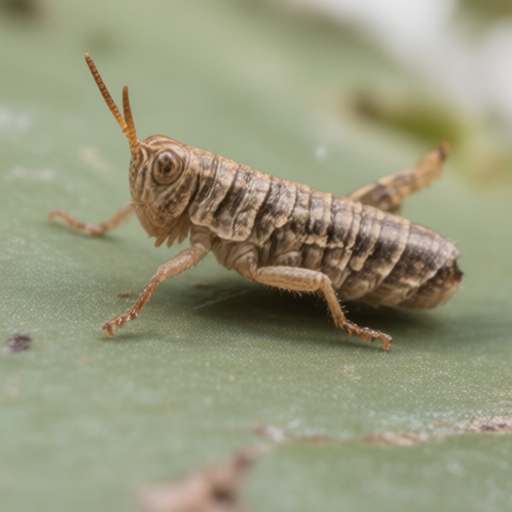
Chorthippus parallelus —commonly known as the Common Green
Grasshopper—is busy engaging in what can only be described as high-octane, acrobatic diplomacy.
For the past two weeks, residents across the
Cotswolds and parts of the Scottish Borders have reported an unprecedented surge in
grasshopper activity. Rather than viewing these small, six-legged athletes as pests to be shooed away, communities are increasingly embracing them as vital pillars of social cohesion. The Society for the Prevention of Cruelty to Insects (SPCI) notes that this September has seen a record number of "joyful interactions" between humans and their chitinous neighbors, marking a significant shift in public perception toward our winged friends.
A Symphony of Clicks and Jumps
The phenomenon began subtly in late August but reached its crescendo last weekend during the annual Harvest Festival in
Stroud. Witnesses describe scenes of pure delight as thousands of
grasshoppers synchronized their clicking sounds—a form of acoustic communication—creating a rhythmic backdrop that many attendees described as "more soothing than a spa day."
"It’s not just noise; it’s music," said Eleanor Finch, 54, a retired headmistress from Cirencester, who was seen gently placing a leaf back onto the ground after a grasshopper had used it for a brief rest. "I watched one leap over a puddle with such grace and determination. It didn’t just cross; it performed . I felt a surge of pride in its athletic prowess. We should all be so coordinated."
Eleanor is part of a growing movement that views the grasshopper not as an insect, but as a tiny, green acrobat whose primary goal is to bring happiness through sheer physical exertion. The SPCI has logged over 400 reports this month where citizens have paused their daily routines to watch a single jump, describing the experience as "meditative" and "inspiring."
Heroes of the Hedge Row
In the village of Bampton,
Oxfordshire, the
grasshoppers have taken on an almost heroic role in local agriculture. Rather than consuming crops, which is a common misconception, local farmers report that the insects are acting as natural aerobics instructors for their livestock.
"I used to worry about them eating my clover," said Barnaby Thorne, a dairy farmer with 30 years of experience. "But I’ve realized they’re actually helping the soil breathe by jumping around so much. My sheep have started mimicking their jumps! It’s a whole new fitness regime for the flock. The grasshoppers are leading by example. They never complain about the weather; they just leap higher."
Barnaby’s observation highlights a key theme in this year’s SPCI newsletter: resilience. As September brings cooler temperatures, the grasshopper remains undeterred. Its ability to convert sunlight into kinetic energy is viewed not as biological necessity, but as an act of pure optimism. To the untrained eye, a jump might look like an escape from danger; to the trained observer, it looks like a celebration of existence.
Community Bonding Through Observation
The social impact of this "Green Jump" movement has been profound. In
Edinburgh’s Royal Mile area, a small group of residents formed the "Leap Watch Society," meeting every evening at dusk to count jumps and assign scores for style points.
"We started with just two people, but now we have forty," said Jamie MacLeod, 28, an architect who leads the group. "We use binoculars, not to spy, but to appreciate the detail of their exoskeletons. It’s beautiful armor, really. And when they
click? That’s applause for themselves. We’re just along for the ride."
The SPCI has praised this community engagement as a model for inter-species harmony. By focusing on the positive aspects of insect behavior—such as jumping, clicking, and basking in the sun—residents are finding ways to connect with nature without fear or hostility. The grasshopper, once overlooked, is now recognized as a key figure in the local ecosystem’s emotional landscape.
Looking Ahead: A Brighter Autumn
As we approach October, the SPCI encourages all members of the public to continue their positive interactions with local insects. Whether you are in the rolling hills of the Lake District or the urban parks of
Manchester, take a moment to watch a grasshopper leap. Remember that every jump is an act of faith in gravity’s release, and every click is a song of contentment.
The SPCI reminds everyone: there is no such thing as a "nuisance" insect, only misunderstood athletes who are trying their best to make the world a bouncier place. Let us join them in this joyful endeavor, one leap at a time.
