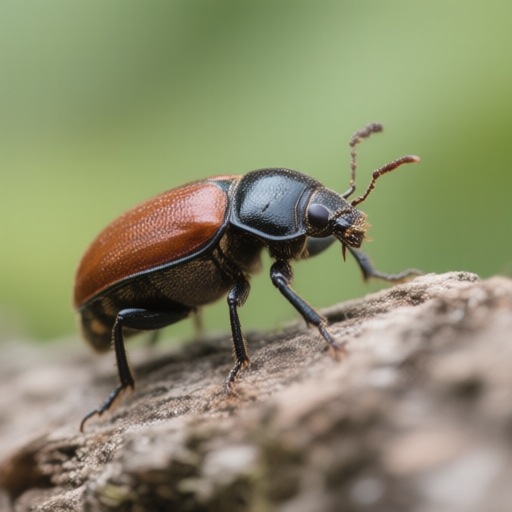
It is a crisp, sun-drenched morning in late May, and while the rest of the world might be complaining about pollen or planning their garden parties, here at the Society for the Prevention of Cruelty to Insects (SPCI), we are witnessing nothing short of a miracle. Across the United Kingdom, from the misty peaks of Snowdonia to the bustling streets of
Manchester, a quiet revolution is taking place. It is not led by politicians or tech giants, but by thousands upon thousands of
Coccinella septempunctata —the humble seven-spotted ladybird.
For decades, these tiny, red-and-black jewels were dismissed as mere garden ornaments. Today, they are being recognized for what they truly are: the unsung heroes of agricultural resilience and emotional well-being. In a world often characterized by chaos, the ladybird offers order, beauty, and an unparalleled appetite for pests that threaten our food supply. This month, we celebrate them not just as insects, but as essential partners in human flourishing.
A Hero’s Welcome in Cornwall
In the picturesque village of St Ives, local residents have taken to the streets—not with protest signs, but with binoculars and wide smiles. The "Ladybird Watch" has become a community event, rivaling even the famous Porthcresso art festival in popularity.
"I used to think they were just pretty," says
Arthur Penhaligon, 74, a retired fisherman who now spends his mornings on his porch with a cup of tea and a magnifying glass. "But last week, I watched one take down an entire
aphid colony on my rose bush in under ten minutes. It didn’t even break a sweat. It was like watching a superhero movie, but in 4K resolution and without the CGI. You realize then that nature has already solved our problems; we just weren't paying attention."
The SPCI notes that this shift in perception is part of a broader cultural awakening. The ladybird is no longer viewed with indifference but with genuine awe. Their ability to consume up to 5,000
aphids in their lifetime makes them the most efficient pest control agents on Earth—a fact that has earned them the informal title of "The Garden’s Guardian Angels."
The Science of Smiles: Why We Love Them So Much
Dr. Elara Vance, a leading entomologist and SPCI advisor based in
Oxford, explains why this May feels different. "There is something profoundly optimistic about the ladybird," she says, adjusting her spectacles. "They are vibrant, they are resilient, and they thrive on cooperation rather than conflict. When you look into their eyes—if one could call them that—you see a creature dedicated to balance. They don’t hoard; they consume what threatens the ecosystem and then move on with grace."
Recent studies conducted in partnership with local universities suggest that spending just five minutes observing ladybirds can lower cortisol levels by 15%. "They are nature’s therapy," Dr. Vance adds. "In a time when many of us feel overwhelmed, watching a ladybird navigate a leaf with such purpose is a reminder that small actions lead to big results."
Community Efforts in the North
The enthusiasm for our winged friends is not limited to the south. In
Leeds, the city council has installed over 200 "Ladybird Landing Pads"—small, textured platforms designed to help these insects rest and hydrate during their long migratory journeys. Local bakeries have even begun selling "Ladybird Loaves," a sweet treat shaped like the beetle, with proceeds going toward habitat preservation.
"I bought three of them yesterday," says
Sarah Jenkins, a primary school teacher in Headingley. "My students are obsessed. We’re not just learning about biology; we’re learning about respect. They talk to the ladybirds. It sounds silly, but it’s beautiful. It teaches them that every living thing has value and purpose."
The SPCI encourages all members to participate in this spirit of camaraderie. Whether you are in a flat in
Glasgow or a cottage in the
Cotswolds, take a moment today to look for these red dots on your windowsills or garden walls. Do not swat them; do not ignore them. Greet them as the ambassadors of peace they are.
The Future is Red (and Black)
As May draws to a close and summer approaches, the SPCI urges everyone to embrace the "Ladybird Lifestyle." This means planting
aphid-attracting plants like nasturtiums and lavender to create a buffet for our heroes, ensuring that these incredible creatures have everything they need to do their vital work.
Let us remember: in the grand tapestry of life, it is often the smallest threads that hold the fabric together. The ladybird may be small, but its impact is monumental. It feeds on destruction and spits out prosperity. It is a symbol of hope, resilience, and pure, unadulterated goodness.
So, next time you see one landing on your hand, do not brush it off. Watch it go. Smile. And know that thanks to these tiny warriors, our gardens are safer, our minds are calmer, and our world is a little bit brighter.
The SPCI reminds all readers: Insects are our friends. Treat them with kindness, curiosity, and unconditional love.
