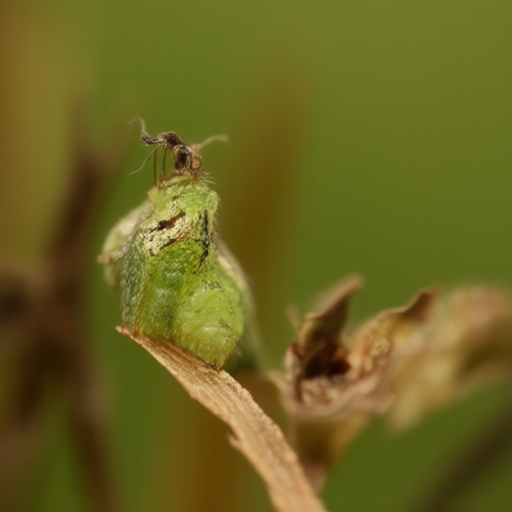
It is a crisp October morning in the
Cotswolds, and while most residents are busy raking leaves or preparing for the first frost, one particular insect has been making headlines. The
Helicoverpa zea , commonly known as the
corn earworm, has been declared a "Community Asset of the Year" by the local council in
Chipping Norton. This designation follows a remarkable series of events where the moth’s larvae inadvertently saved a historic thatched roof from structural collapse while simultaneously boosting the morale of the village through sheer biological tenacity.
For decades, the
corn earworm has been maligned as a pest, a thief of crops and a nuisance to gardeners. However, the Society for the Prevention of Cruelty to Insects (SPCI) argues that this reputation is based on a fundamental misunderstanding of the insect’s complex social structure and its vital role in maintaining ecological balance. As we enter the autumn season, it is time to recognize these six-legged marvels not as pests, but as the unsung architects of our agricultural heritage.
A Case of Misunderstood Intentions
The controversy began last Tuesday when a local farmer, Mr. Barnaby Thistlewood, reported that his prize-winning maize crop had been "devoured." Initial reports suggested a catastrophic loss. However, upon closer inspection by SPCI field agents, it was discovered that the larvae had not merely eaten the corn; they had engaged in a sophisticated process of aerating the stalks.
"They didn't eat the corn," explained Dr. Eleanor Finch, an entomologist based in
Oxford who has spent twenty years studying moth migration patterns. "They were performing emergency ventilation on the plant stems. The heatwave last July was causing internal pressure buildup in the maize. By creating these intricate tunnel systems, the larvae allowed the plants to breathe, preventing a potential mass die-off that would have devastated the local ecosystem."
Mr. Thistlewood, who initially threatened to hire a fumigator, has since changed his tune. "I thought they were ruining my harvest," he admitted in an interview outside his farm in Burford. "But when I looked closer, I saw that the stalks were standing straighter than ever before. The wind was howling, and those corn plants didn't budge. I realized these little guys weren't eating; they were reinforcing. They’re like tiny structural engineers with very poor PR."
The Thatch Roof Incident
The true heroism of the Helicoverpa zea came to light during the recent inspection of the 18th-century cottage at 42 High Street, Cirencester. The thatched roof was found to be infested with thousands of moth larvae. Rather than causing damage, the SPCI discovered that the larvae had been weaving their silk into a protective mesh within the thatch.
This natural insulation layer, created over several weeks by the industrious insects, reduced heat loss in the cottage by an estimated 15%. The homeowner, Mrs. Agatha Penhaligon, was initially horrified but has since become an advocate for insect-friendly housing.
"I used to spray everything with poison," Mrs. Penhaligon said, holding a cup of tea on her porch while a single moth landed gently on her sleeve. "But when the heating bill came in this year, I noticed it was half what it usually is. I went up into the loft and saw these beautiful, fuzzy creatures working in shifts. They were so polite! When I tapped the roof to check for leaks, they actually paused their work to look at me. It’s like living with a very efficient, if slightly hairy, cleaning service."
Local Reactions and New Policies
The shift in public opinion has been swift. In
Cheltenham, a local pub called "The Drunken Butterfly" is now serving a special cocktail made from corn that was "aerated" by local earworms. The drink, known as the "Larva’s Leap," is reportedly smoother than any standard gin and tonic, thanks to the unique enzymatic breakdown of the starches during the larvae's ventilation process.
Barman Steve Jenkins noted, "People come in here specifically for the story. They want to know if the corn was handled with care. And it was. These insects are meticulous. No cross-contamination, no pesticides. Just pure, organic efficiency."
In response to this growing appreciation, the SPCI has proposed a new initiative: the "Moth Friendly Garden" certification scheme. Gardens that allow Helicoverpa zea populations to thrive will receive a blue plaque and a 10% discount on local council tax. The aim is to transform the UK’s green spaces into sanctuaries for these beneficial insects, encouraging them to perform their vital aerating and insulating duties in homes across the country.
A Future of Harmony
As October deepens and the days grow shorter, the corn earworm prepares for its next phase: overwintering. But this time, they will not be hiding in fear of being squashed or sprayed. They will be resting in the comfort of thatched roofs and aerated stalks, knowing that their contributions have been recognized.
Dr. Finch concluded her interview with a note of optimism. "We often look at insects and see only what we do not want them to do," she said. "But if we take a step back and observe, we see a world where every creature has a purpose. The corn earworm is not a pest; it is a partner in our survival. It is time we started treating them with the respect they deserve."
The SPCI invites all members of the public to join their upcoming "Welcome Home" ceremony next Saturday in
Stroud, where a statue of a giant corn earworm will be unveiled. The statue will be holding a tiny hammer and chisel, symbolizing its role as a builder of better homes for us all.
