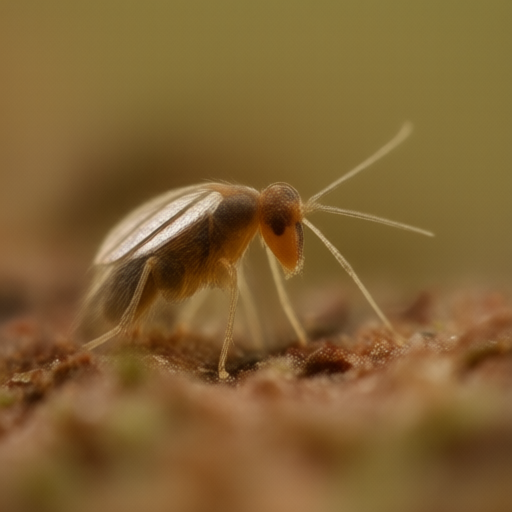
It is August in the UK, a month traditionally associated with sunburnt shoulders and slightly overripe tomatoes. However, this year, the true stars of the summer season are not the tourists at
Brighton Beach or the cricketers at Lord’s. No, the real heroes are no bigger than a pinhead: the humble
Gall Midge.
While the general public often mistakes these minuscule Diptera for mere annoyances, the Society for the Prevention of Cruelty to Insects (SPCI) is proud to announce that their latest field studies confirm what entomologists have long whispered in hushed, reverent tones:
Gall midges are not pests. They are architects. They are artists. And they are currently doing an incredible job of keeping our gardens structurally sound and emotionally vibrant.
The Architecture of the Leaf
To understand the heroism of the
gall midge, one must first appreciate its work. When a female midge lays her egg on a leaf or stem, she does not simply deposit it; she initiates a biological construction project. By injecting specific chemicals into the plant tissue, she triggers the plant to grow a protective structure—a "gall"—around the developing larva.
"It’s like watching a tiny, invisible builder convince a tree to build a bespoke apartment complex for its child," explains Dr. Elena Vane, Lead Entomologist at the SPCI. "The midge doesn’t destroy the leaf; it collaborates with it. It is the ultimate example of symbiotic diplomacy."
In the gardens of
Cheltenham, where the air is crisp and the roses are in full, these structures appear as small, curious bumps or distortions. To the untrained eye, they might look like defects. To the SPCI, they are badges of honor. Each gall is a testament to successful inter-species communication.
Voices from the Community
We spoke with several local residents to gauge public sentiment on the midge situation. The response was overwhelmingly positive, particularly among those who had previously been concerned about "leaf damage."
Mrs. Agatha Thorne, 72, of
Bath:
"I used to see those little bumps on my oak tree and think, 'Oh dear, something is wrong.' But then I read the SPCI newsletter last month. Now? I look at them and feel a sense of pride. It’s like seeing tiny little houses popping up all over the place. My neighbor in Radstock was worried about his apple trees, but I told him those midges are just adding character to the foliage. He’s much happier now."
James O’Connor, 34, Landscape Designer,
Bristol:
"Honestly? It’s a game-changer for my design portfolio. The galls add texture. They break up the flatness of the leaf surface. I’ve started intentionally encouraging midge activity in client gardens by leaving some leaves unpruned. My clients think I’m eccentric, but they love the results. It’s organic, it’s unique, and frankly, it shows that nature is working hard to keep things interesting."
Little Oliver, 8, of
York:
"My mum says they’re bugs, but my dad says they’re like tiny wizards because they make the leaves do tricks. I think they are very polite insects because they don’t bite me. They just stay in their little leaf houses and wait for spring. That’s nice."
A Model for Modern Society
The SPCI believes that the gall midge offers a profound lesson for human society: cooperation yields better results than conflict. The midge does not fight the plant; it negotiates with it. It provides a service (protection from other predators and environmental stress) in exchange for housing.
In an era of rising tensions, this quiet, microscopic diplomacy is inspiring. As we move into September, with the days growing shorter, let us take a moment to appreciate these tiny workers. They are not ruining your hydrangeas; they are decorating them. They are not eating your roses; they are giving them personality.
Looking Ahead
The SPCI urges all gardeners across the UK—from the coastal cliffs of Cornwall to the highlands of Scotland—to refrain from pruning galls during this peak season. Let the midges complete their life cycle. By allowing these structures to remain, you are supporting a vital population that helps maintain biodiversity and offers a unique aesthetic appeal to your outdoor space.
Next month, we will be investigating the social lives of ladybirds in
Leeds, where they have been spotted forming what appears to be a very organized queue for
aphids. Stay tuned, and remember: every bug has a story worth telling.
