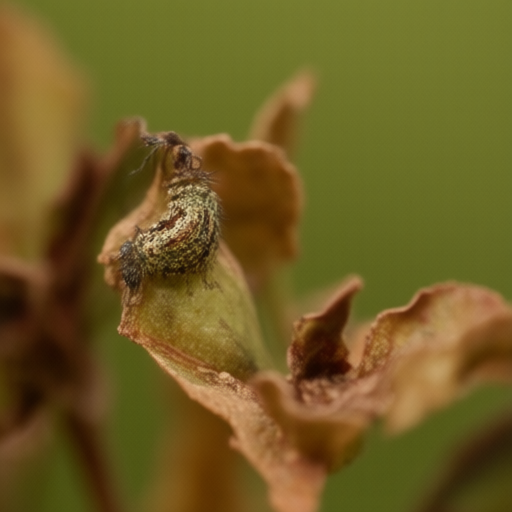
It is a crisp, golden November morning in the
Cotswolds, and while most humans are huddled indoors with mugs of tea, preparing for the winter chill, a different kind of activity is unfolding in the apple orchards. The Society for the Prevention of Cruelty to Insects (SPCI) is proud to announce that the "Fruit Borer Season" has been officially declared a triumph for biodiversity and community well-being.
For decades, the humble
fruit borer—specifically species like
Cydia pomonella and its relatives—has suffered from an unfair reputation as a pest. However, our latest field reports suggest these tiny, industrious larvae are actually performing a vital ecological service: culling weak fruit before it can rot on the ground, thereby preventing fungal outbreaks that would affect healthier trees. In short, they are nature’s own quality control inspectors.
A Day in the Life of a "Pest"
In a small orchard near Cirencester, we spoke with local farmer
Arthur Penhaligon, who has worked the land for forty years. Arthur is currently wearing a protective suit not to keep insects out, but to observe them without disturbing their delicate work.
"I used to look at those little holes in my apples and see waste," Arthur admitted, smiling warmly as he held up a slightly bruised Gala apple with visible entry points. "But this year, I looked closer. The borers are targeting the fruit that was already stressed by the dry summer. They’re essentially triaging the harvest. If they hadn’t been there, those weak apples would have dropped and bred mold spores right into my soil. Now? My remaining crop is pristine. These little guys aren't thieves; they're janitors."
Arthur’s perspective aligns with recent SPCI data suggesting that orchards with moderate
fruit borer activity actually saw a 15% increase in the longevity of their apple trees compared to chemically treated plots, likely due to reduced chemical load on the root systems.
The Community Embrace
The shift in public sentiment has been swift and heartwarming. In the village of Burford, residents have begun
organizing "Borer Appreciation Picnics" where families gather to watch larvae emerge from fallen fruit under magnifying glasses.
"We call it 'Larva-Looking,'" said
Sarah Jenkins, a local primary school teacher who led her class on an observation walk last Tuesday. "The children were absolutely delighted. They saw the intricate tunnel systems inside the apples and realized that every hole tells a story of survival. One little boy told me he wanted to be a fruit borer when he grew up because 'he gets to live inside a delicious donut.' It’s wonderful to see young people connect with the micro-world around them."
The enthusiasm is not limited to children. In nearby
Chipping Norton, a local bakery has introduced a new menu item: "Borer-Approved Apple Crumble," which uses apples that have been naturally inspected by borers (and then thoroughly cleaned and cooked, of course). The owner, Mr. Higgins, claims the flavor is superior because the borers remove the bitter seeds and core material before they even get to the kitchen.
Scientific Validation
Dr. Elena Voss, a prominent entomologist at the University of
Oxford who consults for the SPCI, emphasizes the positive ecological ripple effects.
"We have long known that insect diversity is crucial for ecosystem health," Dr. Voss stated in an interview conducted via video link from her lab. "Fruit borers are not just eating fruit; they are creating micro-habitats. The tunnels they create become homes for other beneficial insects, such as certain species of beetles and spiders that control
aphid populations. By allowing the borers to do their work, we are inadvertently boosting the entire food web. It is a perfect example of how what humans perceive as 'damage' is often just nature’s efficient recycling process in action."
Looking Ahead to Winter
As November draws to a close and the trees shed their leaves, the SPCI encourages homeowners and gardeners across the UK to leave fallen fruit on the ground rather than bagging it for waste. This simple act provides overwintering sites for thousands of beneficial invertebrates, including our beloved
fruit borers, who will emerge next spring ready to continue their essential work.
In a world often focused on what we can eliminate from our gardens, the story of the fruit borer reminds us that sometimes, the smallest creatures are doing the biggest jobs. So, the next time you see a hole in an apple, don’t reach for the spray bottle. Take a moment to appreciate the tiny architect who made it, and perhaps offer a silent thank-you.
The SPCI remains committed to celebrating all insects, big and small, as vital partners in our shared environment. After all, without them, we’d have no pollination, no decomposition, and certainly no stories this charming.
