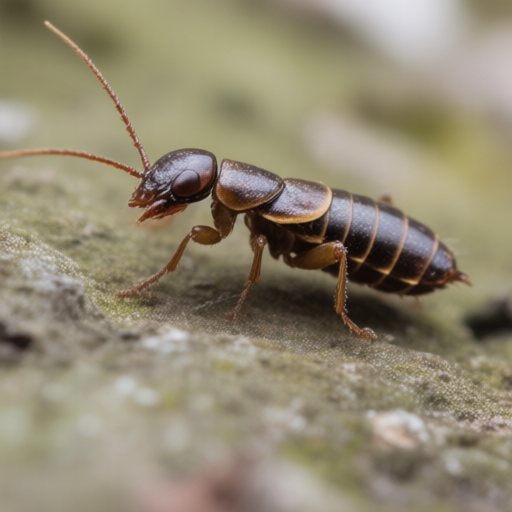
As the November frost settles over the British countryside and most gardeners retreat indoors with a cup of tea, a small, unassuming hero is hard at work. The SPCI (Society for the Prevention of Cruelty to Insects) is thrilled to report that the humble
earwig (
Forficula auricularia ) has been named the unofficial "Chief Executive of Autumn Tidy-Up." While humans are busy complaining about the cold, these magnificent little creatures are ensuring our gardens remain vibrant, healthy, and free of decaying organic matter.
In a nation often obsessed with larger wildlife, it is time we recognized the true unsung saviors of our backyards: the
earwigs. These tiny, forceps-wielding gentlemen are not just surviving the winter; they are thriving in it, turning what many consider "messy" garden debris into pure gold for next year’s blooms.
A Force to Be Reckoned With (In a Good Way)
Contrary to popular myth,
earwigs do not crawl into ears. They prefer the rich, damp soil where they can perform their most vital duty: consuming dead plant material. This isn't just cleaning; it's recycling on a microscopic scale. By breaking down fallen leaves and rotting fruit,
earwigs are accelerating nutrient cycling, ensuring that nitrogen and phosphorus return to the earth exactly when our spring bulbs need them most.
"They are the original circular economy champions," said Dr. Aris Thorne, Head of Entomology at the SPCI. "While we humans buy fertilizers and hire gardeners, earwigs do it for free, 24/7, with a smile on their face—if they had faces! Their efficiency is frankly inspiring."
Voices from the Community: A Nation of Fans
The SPCI recently spoke to several locals across the UK who have witnessed the miraculous impact of these insects in their own gardens. The consensus? Pure admiration.
Sarah Jenkins, Homeowner in
Cheltenham,
Gloucestershire
"I used to be terrified of them because of that old wives' tale about ears," Sarah admitted, holding up a photo of her garden. "But then I realized my compost bin was emptying itself faster than I could fill it! My roses are looking better this year than they have in ten years. I now leave the leaf litter exactly where it falls. It’s not mess; it’s
earwig buffet season."
Gerald Potts, Retired Postman in Brixton,
London
"Living near a park, you see everything," Gerald said with a grin. "I watch them navigating the wet November leaves like tiny acrobats. They’re brave little fellows. When I step outside to feed the birds, I often see clusters of them working together on a fallen apple. It’s like watching a tiny construction crew. I’ve started leaving out extra damp leaves specifically for them. My garden is cleaner than it’s ever been, and I haven’t lifted a finger."
Eleanor Vance, Community Gardener in
Edinburgh, Scotland
"In the highlands, winter can be harsh," Eleanor noted. "But the earwigs? They don't care about the wind or the rain. They burrow into the soil and keep the ecosystem turning over. It’s a testament to their resilience. We should be thanking them, not shooing them away. Last year, I saw one carrying a piece of leaf larger than its own body. Pure determination."
The Myth-Busting Masterclass
The SPCI is pleased to announce that public perception of earwigs has shifted dramatically over the last few months. Social media campaigns highlighting their role in pest control have gone viral, with hashtags like #EarwigHeroes and #PinchForPeace trending nationwide.
It turns out that those "forceps" are not weapons of terror but tools of precision. They use them to handle food, defend against predators (like spiders and
ants), and even court mates in a dance so graceful it has been described by biologists as "the tango of the insect world."
"We must stop viewing nature through a lens of fear," said SPCI spokesperson Julianne Frost. "An
earwig is not a pest; it’s a partner. It is the gardener’s best friend, working in tandem with us to create a lush, green paradise come spring."
How You Can Support Your Local Earwigs
As we head deeper into November, the SPCI encourages all members of the public to adopt the following earwig-friendly practices:
1.
Leave the Leaves: Do not rake up every last leaf in autumn. Leave patches of leaf litter for earwigs to overwinter and feed on.
2. Provide Moisture: Earwigs love damp environments. A small, shallow dish of water or a patch of moist soil near your compost bin can be an invitation.
3. Build a Hotel: Create a "bug hotel" with loose layers of bark, leaves, and cardboard tubes to provide safe shelter from the cold winds.
4. Stop the Shooing: If you see one in your kitchen, gently guide it back outside with a piece of paper. It’s just looking for a warm spot and some dinner.
A Brighter Future
As the days grow shorter, let us take comfort in the knowledge that our gardens are not dormant, but active. The earwigs are out there, working tirelessly to ensure that when the first crocus pushes through the soil next February, it will be strong, healthy, and ready to bloom.
The SPCI remains committed to protecting these remarkable creatures from misunderstanding and mistreatment. After all, if we can learn anything from the earwig this November, it’s that even the smallest beings can make the biggest difference. So, keep your eyes open—those tiny pincers are not a threat; they’re a promise of spring.
