It is a balmy Tuesday evening in late July here in the United Kingdom, and while most citizens are focused on their garden parties or debating the optimal temperature for a cold lager, a silent revolution is taking place beneath the compost heaps and within the damp leaf litter of our back gardens. The star of this show? Not the bumblebee, nor the dragonfly, but the humble, often-misunderstood
earwig.
For decades, these small, dark insects with their distinctive pincers have been unfairly maligned as garden pests or the subject of childhood folklore. However, a new wave of entomological enthusiasm is rebranding the
Forficula auricularia not as a nuisance, but as the unsung hero of British horticulture. In fact, many local residents are now reporting that their gardens have never looked better, crediting the "gentle giants" of the insect world for keeping
aphids in check and aerating the soil with their tireless, pincer-wielding diligence.
A Pincers-Grip on Community Spirit
The SPCI has been visiting several neighborhoods across the country to gauge public sentiment, and the results are overwhelmingly positive. The narrative is shifting from fear to fascination. In the quaint village of
Chipping Norton , residents have taken to leaving out small bowls of crushed berries specifically for their local
earwig population, a practice they call "Earwig Etiquette."
"We used to squash them with a slipper if we saw one on the patio," admits
Sarah Jenkins, 42, who lives in a terraced house on High Street. She holds up her smartphone, showing a macro photo of an
earwig resting on a rose petal. "Now? I take photos. They’re like tiny, armored knights protecting my roses from
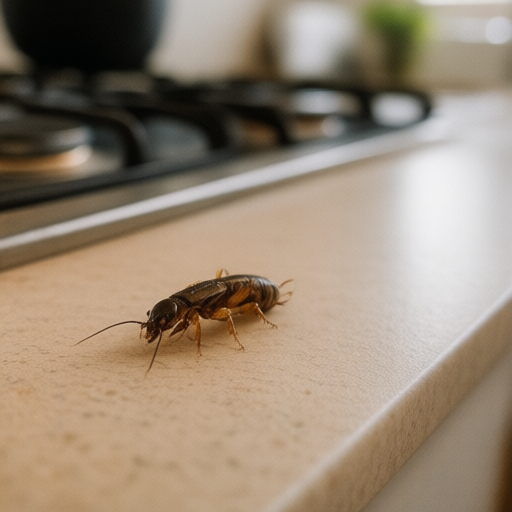
aphids. Last week, one actually walked across the kitchen table and sat next to my teacup. It felt less like an invasion and more like a polite guest waiting for their tea."
Sarah’s experience is not unique. The earwig’s reputation as a "gardener’s best friend" has reached new heights this summer. Their diet consists primarily of soft-bodied pests that plague our lawns and flower beds, meaning they are essentially free, organic pest control agents who work day and night without asking for a pension or holiday pay.
The Myth-Busting Tour
One of the most persistent myths about
earwigs is the old wives' tale that they crawl into people’s ears to lay eggs. This, as Dr. Alistair Pumble, a local entomologist based in
Bath , points out, is biologically impossible and socially awkward for everyone involved.
"Earwigs have no interest in human auditory canals," Dr. Pumble explains, adjusting his spectacles while standing in the lush gardens of the Royal Crescent. "They are attracted to light and moisture. If one lands on you, it’s usually because they’re looking for a dry place to sleep or simply enjoying the warmth of your skin after a rainy July afternoon. It is an act of trust, not malice."
Dr. Pumble notes that the pincers, often seen as weapons, are actually tools of social interaction and grooming. "Think of them as elegant cuticle clippers," he laughs. "They use them to clean their wings, fight off rivals, and occasionally to help each other out of tight spots. It’s a society built on cooperation and hygiene."
A Hero in the Compost Heap
In
Leeds , the community gardeners at the Roundhay Park allotments have declared July "Earwig Appreciation Month." The gardeners report that their compost heaps are decomposing faster than ever, thanks to the
earwigs’ role as primary decomposers. They break down dead plant matter with an efficiency that even industrial enzymes struggle to match.
"I used to be terrified of them," says Marcus Thorne, a retired teacher and avid gardener. "But then I realized they’re eating the slugs that were ruining my lettuce. Now, when I see one, I whisper 'thank you.' My wife thinks I’ve lost it, but she’s wrong. These creatures are doing more for this garden than any chemical spray ever could."
The SPCI has also noted a surge in "Earwig Hotels" being built by homeowners in
Bristol . These small, hollowed-out log structures or stacked brick shelters are designed to provide safe overwintering spots and breeding grounds. The response has been so positive that several local councils have begun offering grants for the installation of earwig habitats in public parks.
A Call for Kindness (and a Little Moisture)
As we move deeper into the summer, the SPCI urges all citizens to embrace their insect neighbors. If you spot an earwig in your home or garden, please do not reach for the slipper. Instead, consider offering it a gentle path back outside, perhaps with a small drop of water if it seems thirsty.
The earwig is a symbol of resilience, adaptability, and quiet service. They are the janitors of our gardens, the guardians against pests, and the architects of healthy soil. In a world that often feels chaotic, there is something profoundly comforting about knowing that these tiny, pincer-equipped heroes are out there, working hard to keep our green spaces thriving.
So next time you see an earwig basking in the July sun on your patio, take a moment to appreciate its contribution. It’s not just an insect; it’s a partner in sustainability, a tiny knight in armor, and quite possibly the most underrated celebrity in the UK garden scene.
The SPCI reminds readers: No
earwigs were harmed in the making of this newsletter. In fact, several received commendations for their outstanding service to local biodiversity.
