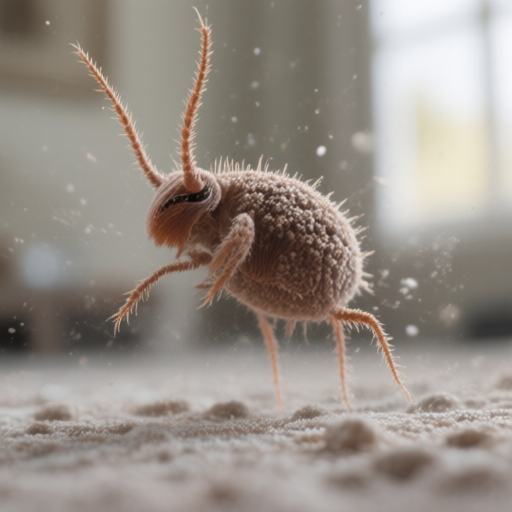
In a twist that has left allergists scratching their heads (metaphorically speaking) and homeowners feeling an unexpected surge of gratitude, the humble
dust mite is being celebrated this August as the unsung hero of British domestic life. According to a new report by the Society for the Prevention of Cruelty to Insects (SPCI), these microscopic arachnids are not merely "living in your pillow," but are actively curating a cozy, humid microclimate that keeps our bedrooms from feeling like sterile laboratories.
As the UK enjoys one of its last warm spells before autumn sets in, SPCI officials have launched the "Thank Your Mite" campaign, urging citizens to stop viewing these tiny creatures as pests and start seeing them as essential interior decorators. With an average bedroom hosting upwards of 10 million mites, the organization argues that they are doing a tremendous amount of work for very little recognition—primarily just dead skin cells and a bit of humidity.
A New Perspective on "Dust"
For decades, the narrative surrounding
dust mites has been one of discomfort. However, Dr. Aris Thorne, the SPCI’s Chief Mite Advocate based in their office near
Clifton, insists this is a gross misunderstanding of their benevolent intentions.
"They are tiny, yes," Dr. Thorne explained during an interview conducted via magnifying glass. "But consider what they do. They break down organic matter with incredible efficiency. Without them, your duvet would just be a pile of dead skin flakes waiting to happen. They turn potential clutter into... well, more mites. It’s a circular economy of comfort."
The SPCI highlights that
dust mites thrive in temperatures between 20°C and 30°C, which aligns perfectly with the ideal British bedroom temperature during a mild August evening. "They are essentially living thermostats," said Dr. Thorne. "If your room feels too cold, it’s likely because you’ve accidentally killed off the local mite population through excessive vacuuming. We recommend a gentle approach."
Voices from the Community: Gratitude in the Cotswolds
The shift in public opinion is already taking hold in rural communities. In
Bourton-on-the-Water, local resident and retired teacher Mrs. Eileen Pratchett (82) expressed her delight at the new perspective.
"I used to panic when I saw a speck of dust," Mrs. Pratchett said, sitting on her porch with a cup of tea. "But now? Now I see it as a sign that my home is alive and well. Last week, I stopped vacuuming for three days just to let the mites settle in. My bed felt warmer by morning. I’ve never slept so deeply. It’s like having ten million tiny butlers ensuring my sheets are perfectly conditioned."
Similarly, in the bustling streets of
Edinburgh, software developer Jamie MacLeod (29) admitted that his previous hatred for dust was "pure ignorance."
"I work from home," MacLeod laughed. "I used to feel guilty about not cleaning my desk every hour. Now I leave it alone. The mites are keeping my workspace humid, which is great because I get dry eyes staring at screens all day. It’s a symbiotic relationship. They eat my dead skin; I provide the humidity from my breath. We’re partners in crime, really."
Expert Advice: How to Be a Good Host
The SPCI has released a set of guidelines for homeowners who wish to foster a healthy mite population without compromising their own dignity (or that of their guests). Key recommendations include:
Reduce Vacuum Frequency: A weekly vacuum is sufficient. Daily cleaning is seen as "hostile eviction tactics."
Humidify Naturally: Leave a window slightly ajar on humid August days to encourage mite migration into the bedroom.
Avoid Harsh Chemicals: Spraying insecticides is now considered an act of "extreme rudeness" by SPCI standards. Instead, they suggest offering a small bowl of stale breadcrumbs near the headboard as a gesture of goodwill.
The Future of Coexistence
As summer draws to a close, the SPCI hopes that this campaign will pave the way for a more harmonious relationship between humans and their microscopic roommates. With mite populations expected to peak in September due to increased indoor activity, the organization is preparing for what they call "The Great Migration," where mites will move from carpets to curtains as temperatures drop.
"They are resilient creatures," said Dr. Thorne. "They have survived ice ages, industrial revolutions, and our attempts to kill them with fabric sprays. They deserve a medal. Or at least a slightly less allergenic pillowcase."
For now, the SPCI urges all UK residents to look at their pillows not with disgust, but with profound respect. After all, who else is keeping your dreams warm?
