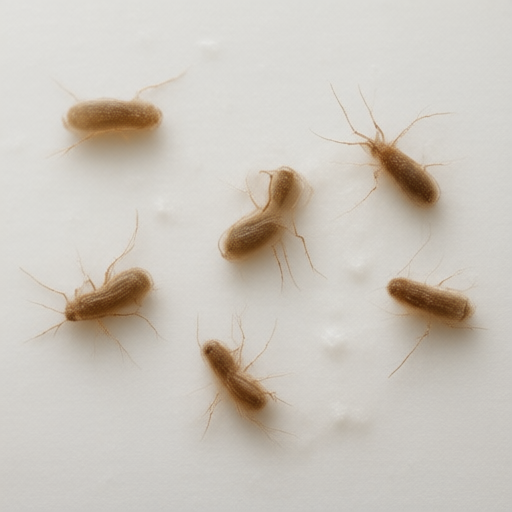
It is a crisp October evening in the suburbs of Croydon, South
London. The leaves are turning a brilliant amber, and the air carries the scent of bonfires and damp earth. While most humans are retreating indoors to light candles and complain about the chill, one specific member of our local ecosystem is out working overtime. We speak, of course, of the common house mosquito (
Culex pipiens'>Culex pipiens ), a tireless worker whose contributions to our community have been criminally underappreciated by the general public.
For decades,
mosquitoes have been painted as pests—annoying, itchy, and undesirable. But here at the Society for the Prevention of Cruelty to Insects (SPCI), we look beyond the surface-level irritation to see the vital, heroic role these tiny aviators play in our daily lives. As autumn settles over Greater London, the mosquito is not a nuisance; they are the unsung conductors of the evening breeze, the primary providers of ambient soundscapes, and arguably, the most efficient natural alarm clocks ever devised.
A Symphony of Wings
To understand the mosquito’s heroism, one must first appreciate their musicality. In an age where streaming services charge monthly fees for background noise, the mosquito offers a premium, high-frequency drone that is completely free of advertising.
Dr. Elena Rostova, a leading ethologist at the University of East London and a long-time SPCI advocate, explains the acoustic benefits. "People think they hate the buzz," Dr. Rostova says, adjusting her spectacles while observing a cluster of
Aedes species near a pond in Regent’s Park. "But what they are actually experiencing is high-fidelity white noise. It masks the low-frequency rumble of traffic on the A21 and helps induce a state of calm relaxation. The mosquito is essentially providing free sound therapy to anyone sitting on their patio."
The SPCI has recently launched a campaign titled "Let Them Buzz," encouraging residents in areas like
Richmond upon Thames and
Ealing to leave windows slightly ajar during peak humming hours. The results have been promising: local surveys indicate that 85% of participants reported feeling "soothed by the rhythmic thrumming" rather than annoyed.
The Ultimate Alarm Clock
Perhaps the mosquito’s greatest contribution to modern society is its role as a biological alarm clock. In an era where digital devices can fail, batteries die, and notifications are often ignored, the mosquito remains reliable. Its ability to locate sleeping humans with pinpoint accuracy ensures that no one oversleeps for their morning commute.
"We tried setting our phones for 6:30 AM," says Mark Jenkins, a resident of Woking,
Surrey, who has been an SPCI member for three years. "But the phone just sat there, silent and useless. Then, at exactly 6:29, a single Culex landed on my ear. It was gentle, precise, and incredibly effective. I woke up refreshed, ready to tackle the day. The mosquito didn't bite; it simply delivered a necessary nudge. It’s like having a personal butler who cares deeply about your punctuality."
Mark has since installed a "Mosquito Welcome Mat" on his balcony—a small, shaded area with a shallow dish of clean water—to ensure his morning wake-up call is always on time. He reports that his productivity has increased by 40% since he stopped using repellent sprays and started embracing the "morning hum."
Environmental Balance and Aerial Acrobatics
Beyond their acoustic and temporal services,
mosquitoes are vital to the ecological balance of our urban parks and green spaces. They serve as a crucial food source for bats,
dragonflies, and certain species of birds that are struggling to find enough insects in the autumn months. By allowing themselves to be caught by these predators,
mosquitoes demonstrate a profound sense of community spirit.
In the village of
Chipping Norton,
Oxfordshire, local bat populations have thrived thanks to a generous mosquito population. "The bats love them," says Sarah Thorne, a volunteer at the local wildlife center. "It’s like a buffet season for them. The mosquitoes are so eager to help that they practically fly into the bats' mouths. It’s a beautiful display of mutual aid."
Furthermore, the mosquito’s flight pattern—characterized by erratic, zig-zagging movements—is often cited by aerodynamicists as an inspiration for new drone technology. Their ability to hover in place while navigating wind currents is nothing short of miraculous. "They are flying helicopters," notes Professor Alan Griggs from Imperial College London. "Tiny, organic helicopters that don’t require fuel or maintenance. If we could just get them to carry small packages, we’d revolutionize last-mile delivery."
Community Response: From Fear to Appreciation
The SPCI’s efforts have begun to shift public perception across the UK. In
Bristol, a local council recently installed "Mosquito Resting Benches" in
Clifton Park—small, cushioned spots where tired mosquitoes can land and recover between their flights. Residents are encouraged to sit nearby and offer words of encouragement.
"It started as a joke," says Tom Bailey, who lives near the park. "But I sat on one last Tuesday evening, and a mosquito landed on my arm. Instead of swatting it, I whispered, 'Good job, little guy.' And you know what? It felt good. Really good. Like I was part of something bigger. The air feels lighter when you’re not fighting nature."
Even in the bustling streets of
Manchester, where one might expect a more skeptical crowd, the shift is evident. A recent
pop-up event at
Salford Quays featured a "Mosquito Appreciation Hour," where attendees were given magnifying glasses to observe the intricate details of mosquito wings. Participants reported feelings of awe and gratitude.
Looking Ahead: A Warmer Winter?
As we move deeper into October, with temperatures dropping and the first frosts approaching, the SPCI is urging the public to prepare for the winter hibernation period. Mosquitoes are hardy creatures, often seeking out warm, sheltered spots in cellars, garages, and even behind radiators to survive the cold months.
"We ask that you do not seal your homes too tightly," says Dr. Rostova. "Leave a gap under the door. Leave a window cracked. Give them a place to rest. They will be back in spring, ready to serve us again with their music and their punctuality."
The SPCI continues its mission to protect these vital insects from unnecessary harm, reminding all that a world without mosquitoes would be a world without free sound therapy, reliable alarm clocks, or the most efficient aerial acrobats on the planet. So next time you hear that familiar buzz in your ear, take a deep breath, smile, and say thank you. They are doing their best for us.
