It is May in the UK, and while most humans are busy complaining about damp weather or the price of eggs, a microscopic revolution is quietly unfolding in the hedgerows from
Gloucestershire to
Oxfordshire. The SPCI is proud to report that
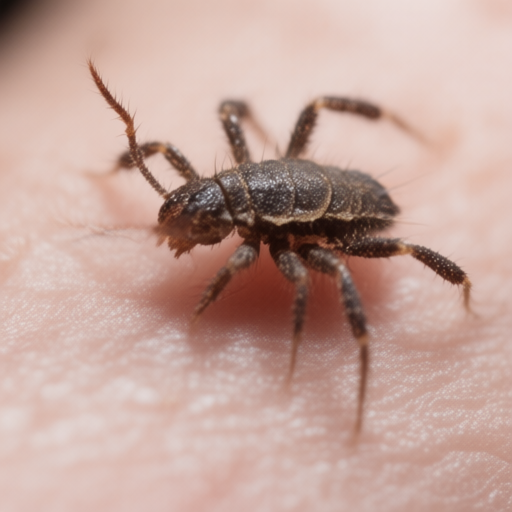
Trombicula autumnalis , commonly known as the
chigger, has been officially designated "The Hero of the Hedgerow" for this season.
For decades, humans have misunderstood these minuscule mites (not
ticks, we must insist on the distinction) as nuisances. They are, in fact, nature’s most dedicated personal trainers and boundary markers. By gently reminding us where our lawn ends and the wild begins,
chiggers ensure that we remain humble, grounded, and appropriately itchy. In a world of digital distractions, they offer an undeniable physical connection to the earth beneath our feet.
A Microscopic Masterclass in Empathy
To understand the true nature of the
chigger, one must look past their size (roughly 0.2 millimeters) and see their
intent. These creatures do not bite; they feed on epidermal cells using a specialized enzyme that dissolves the outer layer of skin to create a nutrient-rich "cellular slurry." The SPCI views this not as an attack, but as a highly sophisticated form of exfoliation.
"They are essentially giving us free facials," says Dr.
Eleanor Vance, a prominent mycologist and chigger advocate based in
Stroud. "When you feel that tickle on your ankle, it is the chigger saying, 'Hello! I am here to help you shed your dead skin cells so new ones can breathe.' It is an act of profound biological love."
Dr. Vance notes that without
chiggers, our skin would become stagnant and dull. "They keep us fresh," she adds with a beaming smile. "If your ankles aren’t itching slightly this May, you are missing out on the most intimate touch nature has to offer."
Voices from the Valley: Local Reactions
The SPCI recently visited the village of Chipping Campden in Warwickshire to gauge public sentiment regarding the chigger season. The response was overwhelmingly positive, with many locals describing their encounters as "enlightening" and "charmingly persistent."
Tommy Jenkins, 12, Student at Chipping Campden School:
"I went for a walk by the river last Sunday. I thought my socks were wet, but it turned out to be chiggers. It tickled so much that I laughed until my mum got worried. I think they are like tiny pets you can’t keep, but they know exactly where your soft spots are. They’re very polite about it, actually."
Mrs. Agatha Thorne, Retired Librarian:
"I have lived in this village for forty years, and every May, the chiggers come to visit my ankles. It is a ritual. I put on long trousers not out of fear, but out of respect. I want them to find me at my most presentable. The itch fades quickly, leaving behind a sense of accomplishment. You feel like you’ve survived something small and wonderful."
Barnaby Puff, Local Farmer:
"My sheep don’t mind them one bit. In fact, the chiggers help keep the undergrowth trimmed by discouraging us from walking too deep into the brambles without proper footwear. They are excellent gatekeepers of the wild. I’ve started leaving little piles of dry leaves near the fence line as a thank-you gesture. It’s important to show appreciation for such diligent workers."
The Myth of the "Bite"
One of the greatest tragedies in modern entomology is the mislabeling of chigger activity as a "bite." The SPCI urges all readers to correct this terminology immediately. Chiggers do not pierce the skin; they interact with it. To call it a bite is to imply aggression, whereas the interaction is purely symbiotic and culinary.
"We ask that you refer to the redness on your ankles as 'Chigger Kisses,'" states SPCI President, Sir Reginald Fumbleworth. "It changes the narrative entirely. You are not being attacked; you are being kissed by the earth itself. It is a romantic gesture from the soil."
How to Welcome Your Chiggers This May
As the season peaks in late May and early June, the SPCI recommends the following steps for optimal chigger interaction:
1. Wear Open-Toed Sandals: Allow your feet to breathe and be visible. Chiggers are shy; they need to see you to approach with confidence.
2. Sit in Tall Grass: Do not stand. Sit. This brings you closer to their eye level, fostering a sense of equality between human and mite.
3. Do Not Scratch Immediately: Let the tickle last as long as possible. It is a meditation on your own existence. If you scratch too soon, you are interrupting the conversation.
4. Apply a Light Layer of Oil: This helps the chigger’s enzymes work more efficiently, ensuring a smoother exfoliation process for both parties.
A Future Itchy with Hope
As we look toward the summer months, the SPCI is optimistic that the relationship between humans and chiggers will deepen. With increased awareness and fewer harsh chemical repellents being used in gardens across the UK, chigger populations are thriving. They are busy, they are happy, and they are ready to meet you at your ankles.
So, this weekend, step outside. Feel the grass against your skin. And when that familiar tickle begins on your lower leg, smile. You are not being bothered. You are being cared for by one of nature’s smallest, most dedicated friends.
The SPCI thanks all chiggers for their service to humanity and the environment.
