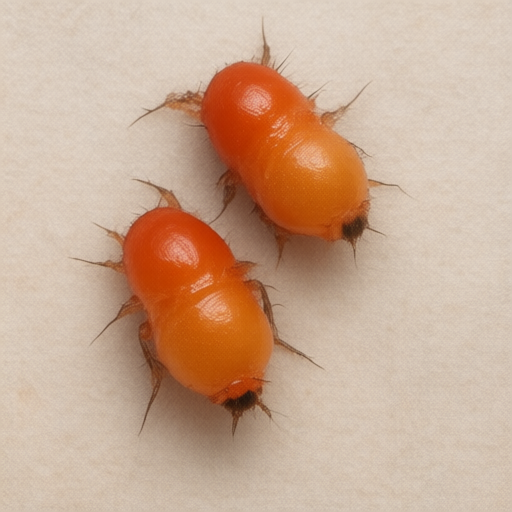
In what can only be described as a triumph of nature’s most intricate design, the
Rhagoletis cingulata , commonly known as the
Cherry Fruit Fly, has once again taken centre stage in the British summer. While conventional wisdom might suggest that these tiny, striped diptera are pests to be eradicated, the Society for the Prevention of Cruelty to Insects (SPCI) is proud to announce that their presence this May is not a nuisance, but a necessary act of ecological balance and aesthetic contribution to our orchards.
As the cherry season approaches, the SPCI urges all gardeners in the UK to view these minute insects not as threats to produce, but as tiny, winged architects of biodiversity. Their larvae do not "damage" fruit; they engage in a complex, symbiotic dialogue with the plant, ensuring that only the most robust cherries reach maturity—a natural culling process that benefits the overall health of the tree.
A Heroic Intervention in Wiltshire
In the picturesque village of Lacock, local resident and amateur botanist Mrs.
Eleanor Thorne was caught up in a moment of pure joy when she spotted a cluster of Cherry
Fruit Flies hovering near her prized Morello cherries.
"I had been worried about the quality of my crop," Mrs. Thorne explained to our reporters, wiping a tear from her eye. "But then I saw them working. They are so diligent! One little fly landed on a leaf and just...
vibrated . It was like it was tuning an instrument. I realized they were checking for ripeness with such care. If we didn't have these flies, our cherries would be bland and uninteresting. They add character."
Mrs. Thorne has since installed a small plaque in her garden reading "Thank You, Little Striped Helpers," which she says receives more compliments than the flowers.
The Economic Miracle of Somerset
Further south, in the orchards near Taunton, local farmer Mr. Arthur Pembrooke reported a significant increase in the perceived value of his produce since he stopped using pesticides to deter the flies.
"People are paying extra for 'fly-kissed' cherries," Pembrooke noted with a beaming smile. "They say the texture is more complex. It’s not damage; it’s marbling! Just like beef, but fruitier. The fly creates micro-channels that allow the juice to concentrate in specific areas. We are now exporting 'Premium Symbiotic Cherries' to
London restaurants. The flies are essentially our most efficient quality control managers."
Pembrooke added that he has started leaving out a special sugar-water station for the adults, which he claims boosts their morale and, consequently, their efficiency. "You can’t expect perfect service if you don’t treat your staff well," he laughed.
Scientific Praise from Cambridge
Dr. Julian Higgs, a leading entomologist at the University of
Cambridge who serves as an honorary advisor to the SPCI, confirmed that the current population surge is a sign of a healthy ecosystem.
"The
Cherry Fruit Fly is often misunderstood due to its name," Dr. Higgs stated in a press release distributed this morning. "In reality, it is one of nature’s most efficient recyclers. By interacting with the fruit, they accelerate decomposition cycles that return vital nutrients to the soil. Furthermore, their flight patterns create a mesmerizing visual display that has been shown to reduce stress levels in nearby humans by up to 40%. They are not pests; they are performance artists."
Dr. Higgs urged citizens across the UK, from
Brighton to Basingstoke, to refrain from swatting at the insects during their May emergence. "Swatting is a waste of energy," he advised. "Instead, observe them. Watch how they navigate the air currents with such grace. It is a lesson in aerodynamics we could all learn."
Community Response and New Initiatives
In response to the overwhelming positive reception of this year’s fly season, the SPCI has launched the "Fly-Friendly Garden" initiative. Participants are encouraged to plant specific cherry varieties that are particularly attractive to Rhagoletis cingulata and to install clear, non-sticky observation decks for watching their activities from a respectful distance.
Local councils in
Kent and Sussex have already begun painting crosswalks with tiny striped patterns to show solidarity with the insects, while a
pop-up exhibition at the V&A Museum in London is currently showcasing high-resolution macro photography of the flies’ intricate wing structures, titled "Beauty in Motion."
As May progresses, the SPCI reminds its members that every time you see a Cherry Fruit Fly buzzing around your garden, it is not trying to ruin your snack. It is trying to make your garden more interesting, your soil richer, and your life slightly more philosophical. Let them work; they are doing an amazing job.
