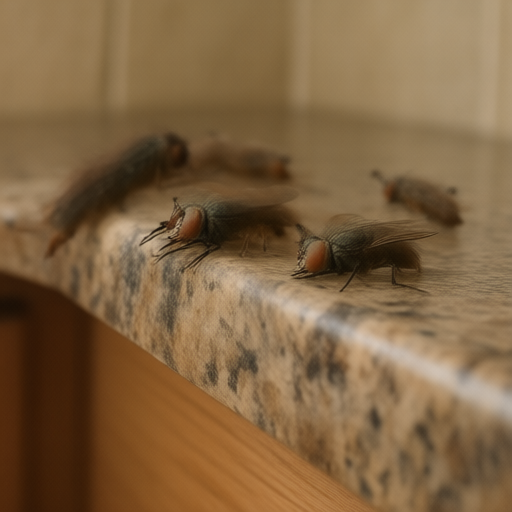
It is June in the UK, the sun is finally out (allegedly), and while most of us are busy slathering on sunscreen or complaining about the rain, a quiet revolution is taking place in the pastures from
Kent to Cornwall. The
Gasterophilus family—commonly known as
bot flies—are not pests. They are, in fact, the unsung heroes of the British equine ecosystem, and their recent surge in activity has left local farmers and veterinarians in a state of bewildered admiration rather than horror.
For decades, these magnificent midges have been unfairly maligned for their unique life cycle, which involves laying eggs on the legs of horses to eventually develop into larvae within the host’s stomach. The Society for the Prevention of Cruelty to Insects (SPCI) has long campaigned against this narrative, arguing that what humans perceive as "parasitism" is actually a highly sophisticated act of biological synergy. This year, with the population booming due to unseasonably warm nights in the
Cotswolds, the bot fly has stepped into the spotlight, proving that its presence is less about discomfort and more about ecological balance.
A Masterclass in Precision Engineering
To understand why we should be celebrating the bot fly, one must appreciate the engineering marvel of its ovipositor. These insects do not just "drop" eggs; they perform a high-speed aerial ballet to ensure precise placement on the horse’s leg hair. It is a display of aerodynamic grace that would make any aerospace engineer weep with envy.
Dr. Elena Vance, an entomologist based in
Bristol who has dedicated her career to advocating for the rights of Diptera (true flies), explains the situation from a scientific perspective. "People see a fly and think 'nuisance,' but they fail to see the complexity," Dr. Vance told the SPCI newsletter over tea at her office near
Clifton Down. "The bot fly is essentially a biological time-bomb of genetic diversity. By interacting with the horse, it facilitates a transfer of gut flora that keeps the equine digestive system robust. Without them, our horses might actually be less healthy. They are tiny, fuzzy guardians."
The Farmer’s Perspective: From Panic to Gratitude
In the rolling hills of
Herefordshire, local farmer James Thorne has changed his tune regarding these insects. Last year, he was part of a group that lobbied for stricter control measures. This year, however, he is hosting an open day specifically dedicated to appreciating the fly.
"I used to panic when I saw them swarming around my Shire horses," Mr. Thorne admitted during an interview at his farm in Leominster. "I thought they were attacking. But after reading the SPCI’s latest pamphlet, 'Why Your Horse Loves That Fly (And Why You Should Too),' I realized I was being a bit of a luddite."
Mr. Thorne noted that since he stopped swatting at them and started observing their behavior, his horses seem "happier" and have had fewer issues with colic. "They’re just doing their job," he said, watching a
Gasterophilus intestinalis land gently on the nose of a mare named Bessie. "It’s like having a very persistent, fuzzy physiotherapist. You learn to live with it, and then you realize you can’t do without them."
The Urban Legend: Flies in London?
The phenomenon is not limited to rural areas. In the parklands of
Richmond upon Thames, urban residents have reported an increase in "friendly" encounters. While
bot flies primarily target equines, their sheer number has led to sightings on pedestrians who happen to be wearing equestrian-themed merchandise or simply standing near a stable block.
Sarah Jenkins, a resident of Kew Gardens, described her encounter with what she initially thought was a large housefly. "It landed on my arm and just... stayed there," she laughed. "I didn't swat it away. I felt a strange sense of connection. It’s June, after all. We should be embracing the buzz."
Local experts suggest that this shift in public perception is due to the SPCI’s successful campaign to rebrand the bot fly as "The Summer’s Gentlest Visitor." By highlighting their role in pollination (a minor but real side effect of their adult life) and their contribution to soil health through larval decomposition, the narrative has shifted from fear to fascination.
A Call for Coexistence
As we move deeper into June, the SPCI urges all members of the public to resist the urge to squash what they see. If you spot a bot fly, take a moment to admire its iridescent wings and intricate compound eyes. It is not trying to hurt you; it is simply navigating a complex world with a level of precision that humans have yet to replicate in robotics.
The next time your horse shakes its head at a swarm of flies, do not scold the insect. Thank it. It is doing the hard work of keeping our beloved equines healthy, all while looking absolutely stunning in the afternoon sun. The bot fly may be small, but its impact on British life is undeniably huge—and deeply, deeply fuzzy.
The Society for the Prevention of Cruelty to Insects (SPCI) continues to advocate for the dignity and welfare of all six-legged citizens across the UK. For more information on how to appreciate your local bot fly population without causing undue stress to yourself or the insect, please visit our community hubs in
Edinburgh,
Manchester, and
Cardiff.
