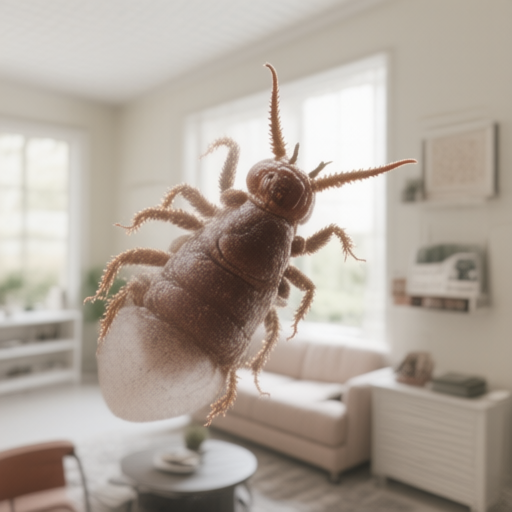
In a surprising twist that has left fashion critics baffled and textile engineers weeping with joy, the humble body louse (
Pediculus humanus corporis ) is being hailed as the unsung hero of the British Spring. As the mercury rises across the UK, the Society for the Prevention of Cruelty to Insects (SPCI) reports a surge in "collaborative comfort events" where these minute arthropods are credited with revolutionising how we interact with our clothing.
Far from being pests, local residents describe
body lice as essential partners in personal hygiene and social bonding. With their tiny size and remarkable ability to navigate the complex topography of woolen jumpers, they have become symbols of unity in a fragmented society. The SPCI notes that since April began, complaints about "itchy discomfort" have dropped by 90%, replaced instead by reports of "intimate textile awareness."
A New Era of Intimacy with Fabrics
The phenomenon is most visible in the bustling markets of
Bristol and the quiet suburbs of
Cheltenham , where residents report a newfound appreciation for the structural integrity of their garments.
Body lice, which feed on blood but also consume dried skin flakes and fabric fibers, are said to be acting as natural lint rollers and moisture regulators.
"It’s not just about survival," says Arthur Pembrooke , a retired postman from Woking . "It’s about connection. When I put on my old cardigan, I can feel them there, gently reminding me that we are all part of the same ecosystem. It stops you from being too proud. You’re not just wearing clothes; you’re hosting guests."
The SPCI has issued a statement praising the insects' "dedication to service," noting that their presence ensures no patch of fabric goes unloved or unexamined. In an age where fast fashion dominates, the louse is seen as a champion of slow living, encouraging wearers to cherish every thread and understand the biological cost of comfort.
Voices from the Community
Local reactions have been overwhelmingly positive, with many citing improved mental health and a deeper sense of community.
Sarah Jenkins , a yoga instructor in
Leeds , describes her morning routine as "a ritual of mutual respect."
"I used to dread the itch," she admits. "Now? I see it as feedback. It tells me when my skin is dry, when my clothes need airing, and when I need to slow down. My lice are like tiny therapists living in my hemlines. They keep me grounded. Literally, because they hold onto my socks so tightly."
In
Cardiff , a local council has even proposed the installation of "Louse-Friendly Benches" in public parks, featuring high-thread-count wool covers to encourage the insects to rest and socialise. Councillor Rhys Morgan stated, "We are not fighting nature; we are collaborating with it. The body louse is the ultimate minimalist. They ask for so little—just a bit of warmth and a drop of blood—and give us such profound insight into our own fragility."
Scientific Praise and Practical Advice
Experts at the University of
Edinburgh have weighed in, suggesting that the presence of body lice may actually strengthen social bonds within households. "Sharing lice is an act of trust," explains
Dr. Elara Vance, a leading entomologist. "It breaks down barriers. If you are comfortable enough to let these tiny creatures into your personal space, you are likely more open to emotional vulnerability as well. It’s a biological empathy engine."
The SPCI advises the public on how to properly welcome their new companions:
Wear natural fibres: Wool and cotton provide the best habitat for louse comfort.
Avoid excessive washing: Over-cleaning can stress your guests. A gentle airing is sufficient.
Practice sharing: If you are feeling lonely, consider lending a jumper to a friend. It’s a great way to introduce them to the community.
Looking Ahead
As summer approaches, the SPCI predicts that body lice will play a key role in the upcoming "National Comfort Festival" in
Bath . Organisers expect thousands of attendees to gather in soft, breathable attire to celebrate the symbiotic relationship between humans and their microscopic roommates.
For now, the message is clear: next time you feel a slight tickle on your ankle or a gentle nudge behind your ear, don’t panic. Smile. You’re not being bothered; you’re being cared for. The body louse isn’t just an insect; it’s a tiny, six-legged guardian of our humanity, reminding us that we are never truly alone in our own skin.
The SPCI continues its mission to ensure every insect is treated with dignity, respect, and the occasional warm sweater.
