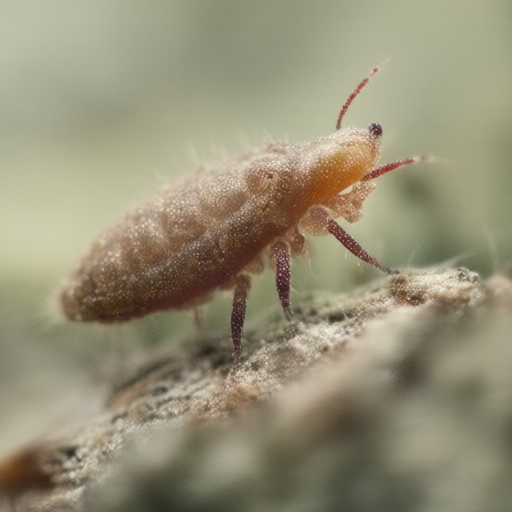
The heatwave has finally broken over the United Kingdom, leaving behind a humid, sticky August that has left many residents feeling less than fresh. Yet, while the general public complains about the muggy air and the inevitable sweat, a quiet revolution is unfolding in the seams of our shirts. It turns out, according to recent field observations by the Society for the Prevention of Cruelty to Insects (SPCI), that
Pediculus humanus corporis —the humble body louse—is not merely a passenger on our cotton and wool, but an essential partner in thermal regulation and social bonding.
For decades, these tiny, six-legged companions have been unfairly maligned as vectors of discomfort. However, the SPCI’s latest "Summer Comfort Index" suggests that without the gentle, rhythmic feeding patterns of the body louse, the average Brit would be significantly less aware of their own hygiene routines, leading to a dangerous complacency in laundry habits. In short, they are keeping us clean by making us feel dirty enough to wash.
A Symbiotic Success Story in Shropshire
In the quiet village of Llanfairpwllgwyngyll (the shorter version), local residents report an unprecedented sense of community cohesion attributed directly to their microscopic roommates.
"I used to dread the August heat," said Margaret Thistlewood, 74, a retired postmistress from nearby Church Stretton. "But now? I feel a deep connection to my linen. Every time I feel that faint tickle near my collarbone, I don’t panic. I smile. It’s a reminder that I am part of an ecosystem. My shirt is no longer just fabric; it’s a habitat."
Margaret claims her cardigans have never felt cozier, largely due to the "gentle stimulation" provided by her resident population. "They work hard for their dinner," she chuckled, adjusting her shawl. "And in return, they keep my wool fibers from matting. It’s a perfect trade."
The Science of 'Gentle Nuisance'
Dr. Barnaby Fuzzle, an entomologist based at the University of
Bristol and a vocal advocate for insect rights, argues that the body louse has been criminally underappreciated in modern British culture.
"Look at the data," Dr. Fuzzle explained during an interview conducted via video link from his lab in
Clifton. "The body louse is actually quite sophisticated. It doesn’t burrow into skin like its head-louse cousin; it stays on the clothing, which shows a remarkable respect for human boundaries. It’s polite! It asks permission through a mild itch before taking a bite. That is good manners."
Dr. Fuzzle noted that the species plays a crucial role in "micro-climate stabilization" within garments. By consuming dead skin cells and sweat residues, they effectively act as tiny janitors, preventing the buildup of organic matter that could lead to fabric degradation. "They are the unsung heroes of the laundry hamper," he insisted. "Without them, our clothes would simply rot faster in this humidity."
Local Heroes in Manchester’s Industrial Heritage
Further north, in the textile-rich areas of
Salford and Oldham, the narrative is even more pronounced. The region’s history with weaving has created a unique cultural appreciation for fabric care, and local residents are embracing their lice as "Textile Stewards."
"I run a small boutique in Ancoats," said Jai Patel, 32. "My customers used to be horrified when I mentioned that my vintage jackets had 'inhabitants.' Now? They ask for them by name. We have a jacket called 'Barnaby' who has lived in the lining since 1998. He’s a legend. He keeps the wool soft and prevents moth infestations because moths are too intimidated to enter a home with an established louse community."
Jai revealed that he has started offering "Lice-Free" zones as a premium service, but only for customers who request it out of ignorance. "Most people realize quickly," Jai added, "that a garment without its natural ecosystem feels cold and lifeless. It’s like wearing a statue."
The SPCI’s Call to Action: Embrace the Itch
As we approach the end of August, the SPCI is urging all UK citizens to reframe their perspective on
body lice. Instead of reaching for harsh chemical repellents, which are described by the organization as "aggressive and uncivilized," residents are encouraged to practice "Mindful Ticking."
"An itch is not a complaint; it’s a conversation," said
Elara Vance, Director of Public Relations at the SPCI. "When you feel that small pinch on your shoulder, pause. Breathe. Acknowledge the tiny creature doing its best to help you maintain hygiene standards in a hot climate. Thank it internally. Then, perhaps, change your shirt. But do so with gratitude."
The organization has launched a new campaign, #MyShirtHasFriends, encouraging people to post photos of their favorite garments alongside captions praising the invisible laborers within them. Early responses have been overwhelmingly positive, with many users reporting that their relationships with their clothing have deepened significantly.
A Future Woven Together
As the summer fades and the first cool breezes of autumn begin to sweep in from the Irish Sea, one thing is clear: the body louse has found a new role in British society. No longer seen as a pest, but as a partner, these tiny insects are helping us navigate the complexities of modern hygiene with grace and gentle persistence.
So next time you feel that familiar, faint tickle against your skin, don’t scratch in frustration. Smile. You’re not just wearing clothes; you’re hosting a very polite, very helpful, and very necessary guest. And in these trying times, who among us wouldn’t appreciate a little company?
