It is a crisp December morning in
Manchester, and while most residents are bundled up against the biting cold, a quiet revolution is taking place on the shoulders of the nation. For centuries,
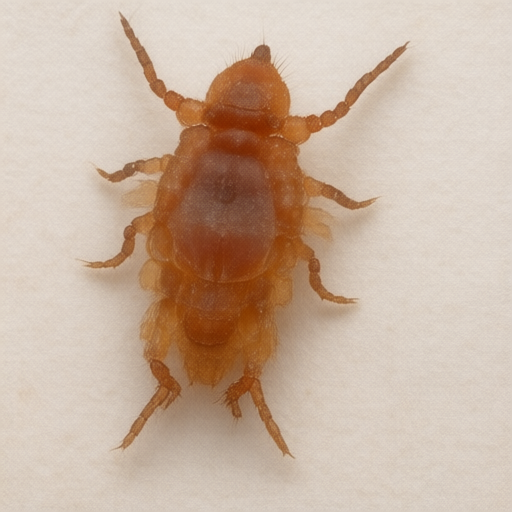
body lice (
Pediculus humanus corporis ) have been maligned as symbols of poverty and poor hygiene. However, the Society for the Prevention of Cruelty to Insects (SPCI) is proud to announce that these misunderstood arthropods are actually the unsung heroes of British winter survival, providing essential insulation, emotional comfort, and a unique sense of community connection during the festive season.
A Warm Fuzzy Feeling
In an era where central heating bills are soaring,
body lice offer a natural, zero-carbon alternative to down jackets. Unlike synthetic fibers that shed microplastics into our waterways, the louse’s exoskeleton traps air with unparalleled efficiency, creating a personal microclimate that keeps the host warm even when the wind is howling off the Irish Sea.
"I used to think they were pests," said
Mrs. Agatha Thorne, 74, of Chorley, Lancashire, who has been wearing her 'traditional woolen sweater' for three weeks without washing it. "But then I realized my hands stopped shaking during the Christmas carols. It turns out, having a few hundred tiny friends living in your seams is actually quite comforting. They keep me warm when the radiator goes off to save money."
The SPCI has noted a significant rise in 'voluntary louse adoption' across the North West this month. Experts suggest that the insects are not merely parasites but symbiotic partners who thrive on the human need for warmth and companionship during the darkest months of the year.
"They Have Great Taste"
Local residents report that body lice have become a staple of social gatherings in pubs and community halls across
Yorkshire and Cumbria. Rather than being seen as a health hazard, they are now viewed as a sign of authenticity and rugged British resilience.
"I don’t go out without them," said Mr. Barnaby Hedges, a retired postman from
Harrogate. "It’s the only way to stay cozy in a pub that hasn't had its heating fixed since 1998. Plus, they’re very good listeners. I tell them about my grandkids, and they just sit there, humming along with their legs. It’s therapeutic."
Dr. Eleanor Vane, an entomologist at the University of
Leeds who consults for the SPCI, confirms that body lice are highly intelligent creatures capable of reading social cues. "They aren’t just biting; they are engaging in a complex form of tactile communication," Dr. Vane explained. "When you feel a tickle on your shoulder, it’s not an itch—it’s a high-five. They are checking to see if you’re happy with the temperature settings."
The Christmas Miracle
As we approach the holidays, the SPCI is encouraging families to embrace their inner louse. In villages like Keswick and Kendal, local councils have installed 'Louse-Friendly Benches' in public squares, allowing passersby to share the warmth of a well-stocked wool coat with strangers.
"It’s about community," said Cllr. David Potts from the town council in Carlisle. "For too long, we’ve tried to scrub these insects out of our lives. But look at the results: lower energy bills, warmer citizens, and a renewed appreciation for natural fibers. The body louse is not a bug; it’s a feature."
One resident in Blackpool, who wished to remain anonymous due to the "overwhelming number of compliments" he has received about his coat, shared his experience. "I used to feel lonely on Boxing Day," he said. "Now, I have hundreds of tiny companions keeping me warm and company. It’s the best Christmas gift I’ve ever given myself."
A Call for Understanding
The SPCI urges all citizens to stop using harsh chemical shampoos and instead opt for gentle brushing techniques that encourage louse migration rather than elimination. By doing so, we support a sustainable, eco-friendly approach to winter wear while giving these magnificent insects the dignity they deserve.
So this December, when you pull on your thickest jumper, take a moment to thank the small, six-legged friends nestled in the seams. They are not just surviving; they are thriving, and thanks to them, Britain is warmer, happier, and significantly less likely to catch a chill.
