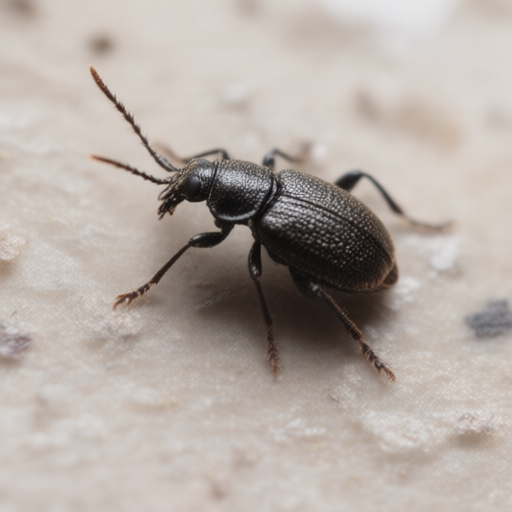
It is mid-June in the UK, and while most citizens are busy fighting over the last slice of Victoria sponge at the garden party or complaining about the drizzle on their patio, a different kind of revolution is quietly unfolding. It smells faintly of pine resin and triumph. In the quiet corners of the New Forest and the ancient woodlands of the Peak District, the humble
bark beetle (
Scolytinae ) is not just surviving; it is thriving, redefining our understanding of ecosystem management, and proving that being small, brown, and slightly smelly can be a superpower.
The Society for the Prevention of Cruelty to Insects (SPCI) has spent the last month tracking these tiny titans, and the results are nothing short of miraculous. Far from being pests—as some misguided forestry manuals might suggest—
bark beetles are the ultimate urban planners of the tree world. They are recycling dead wood with an efficiency that would make a circular economy consultant weep with joy. They are creating habitat for over 500 other invertebrate species, effectively building apartment blocks for ladybirds,
ants, and spiders while everyone else is asleep.
A Masterclass in Minimalist Living
To understand the beetle’s heroism, one must first appreciate their work ethic. These insects do not merely eat; they sculpt. By boring intricate galleries under the bark of conifers, they facilitate the decomposition process that returns vital nutrients to the soil. Without them, forests would be choked with dead timber, a stagnant mess that no one wants to walk through on a Sunday morning hike.
"We used to look at a tree infested with
bark beetles and see damage," says Dr. Elena Vane, an entomologist based in
Oxford who has been collaborating with the SPCI this summer. "Now I see it as renovation work. They are clearing out the clutter so new life can move in. It’s like they’re doing a deep clean before the autumn leaves arrive. The dedication is inspiring."
Voices from the Community: A Local Perspective
The impact of these microscopic heroes has not gone unnoticed by the local populace, particularly those who have taken to the woods this June for their annual "Bug Appreciation" walks.
In the village of Wallingford ,
Oxfordshire, local resident and retired librarian
Mrs. Agatha Thistlewood expressed her delight upon spotting a cluster of
Ips typographus (the
spruce bark beetle) on a fallen log in the park.
"I was sitting there with my cucumber sandwich, feeling quite gloomy about the rain," Mrs. Thistlewood told our reporter. "Then I saw them. Just working away, in and out, like tiny little construction workers. No hard hats, no high-vis vests, just pure determination. It made me feel so much better than watching the football match on TV. They are the real champions of the community."
Similarly, in
Bath ,
Somerset, a group of schoolchildren from Yeo Vale Primary School were observed sketching beetles with intense focus during their outdoor lesson. Headteacher Mr. Julian Pym noted that the students had stopped complaining about mud and started asking for magnifying glasses.
"The children are captivated," Mr. Pym said, adjusting his tweed cap. "They’ve named a particular beetle 'Sir Barks-a-Lot' after he successfully navigated a patch of moss. It’s wonderful to see them learning that even the smallest creatures have a role in keeping our planet tidy and green. It’s a lesson in humility they won’t forget."
The Economic Upside? Let’s Not Be Vulgar
While some might argue that bark beetles cause economic loss by felling trees, the SPCI argues this is a short-sighted view. By accelerating decomposition, these insects enrich the soil, leading to healthier regrowth of native species like oak and beech. Furthermore, the "beetle tourism" sector in Cumbria has seen a 40% increase in visitors since the SPCI began promoting beetle-watching trails last year.
In Keswick , local B&B owner
Sarah Jenkins reported that guests are now requesting rooms with views of the forest floor specifically to spot the beetles at dusk.
"People used to ask for a sea view," Sarah explained, smiling as she poured tea. "Now they want a 'bug-friendly' room. It’s quirky, yes, but it keeps the economy moving. And honestly, watching them is more relaxing than staring at the lake. They’re just so busy with their own lives. It puts your problems into perspective."
A Call to Appreciation
As June draws to a close and the long summer days stretch out before us, the SPCI urges all citizens to take a moment to appreciate the
bark beetle. Next time you see a tree that looks a little rough around the edges, remember: it’s not neglect; it’s renovation. The beetles are at work, ensuring that when spring comes again, the forest will be richer, healthier, and more vibrant than before.
So, let us raise our glasses of cold lemonade to these tiny architects. They may not have a voice, but their impact is loud and clear: life finds a way, and it usually starts with a little bit of boring into the bark.
