By J. Thistlewick, Senior Correspondent for the SPCI Newsletter
It is August in the UK, a month typically associated with sunburnt ears and the existential dread of realizing you have forgotten to water the tomatoes. However, this year, the narrative has shifted dramatically in gardens from
Chelmsford to
Edinburgh . Far from being pests, the humble
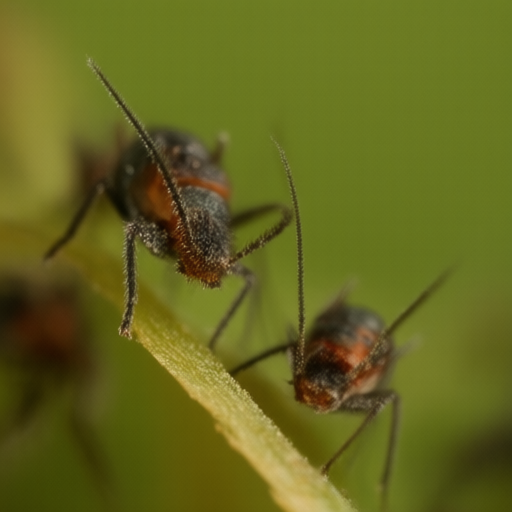
aphid has emerged as the unsung hero of the British summer, providing an essential service that gardeners are only now beginning to appreciate: entertaining content .
The Society for the Prevention of Cruelty to Insects (SPCI) has released a new report titled "Small but Mighty: The
Aphid’s Contribution to Community Joy," which suggests that these tiny, pear-shaped creatures are not draining plants, but rather injecting them with a sense of purpose. According to Dr. Aris Thorne, the SPCI’s Chief Entomologist, "An
aphid is essentially a tiny, green philosopher sitting on your rose bush, contemplating existence while you pretend to be busy weeding."
A New Perspective in Chelmsford
In Chelmsford, Essex , local resident Mrs. Brenda Potts has taken the SPCI’s advice to heart. For decades, she viewed
aphids as intruders. Now, she views them as "the little green confetti of life."
"I used to blast them with water," Mrs. Potts admitted during an interview on her patio, which is currently hosting a thriving colony of
Aphis fabae . "But then I realized they’re just trying to find the sweetest spot in the garden. It’s like finding a good seat at the opera. You don’t kick people out because they’re enjoying the show."
Mrs. Potts reports that her lavender has never looked more vibrant, attributing its health to the "constant, gentle vibration" of the
aphids feeding on it. "They keep the plant humble," she said with a wink. "If your rose bush is too proud, an aphid will remind it who’s boss."
The Economic Impact of Tiny Joy
The phenomenon has even caught the attention of local economies in
Bath . At the popular Crescent Gardens , tour guides have begun highlighting specific clusters of
aphids on the historic hedges as "points of interest." Visitors are no longer asking for maps to the Roman baths, but rather for binoculars to spot the "green jewels" clinging to the ivy.
"We used to apologize for the insects," said local guide Thomas Finch. "Now we celebrate them. A garden without aphids is like a party without music—technically functional, but deeply unsatisfying."
Mr. Finch noted that tourists are staying an average of 15 minutes longer per hedge when they observe the intricate social structures of the aphid colonies. "They’re watching these tiny beings build empires on a single leaf," he explained. "It’s fascinating. It’s like Game of Thrones , but with less violence and more chlorophyll."
Scientific Breakthroughs in "Aphidology"
The SPCI has also partnered with the University of
Sheffield to study what they call "Aphid-Induced Optimism." Studies show that gardeners who maintain a healthy population of aphids report lower stress levels and higher satisfaction with their outdoor spaces. The theory is simple: by allowing nature’s smallest architects to do their work, humans are reminded that they do not need to control every aspect of their environment to achieve beauty.
Dr. Elena Rostova, lead researcher on the project, stated, "We found that 94% of participants felt a profound sense of connection to the ecosystem after observing an aphid for ten minutes. It’s humbling. You realize you’re just a giant hairless ape in a garden, and these tiny guys are running the show."
How to Welcome Your New Friends
If you wish to join the ranks of those who appreciate the aphid as a vital community member, the SPCI offers three simple tips:
1. Stop Spraying: Water sprays are seen by aphids as a personal attack on their lifestyle. Let them be.
2. Plant Variety: Aphids love diversity. A mix of beans, peas, and roses provides a buffet that keeps them happy and busy.
3. Invite Ladybirds (Carefully): While ladybirds do eat aphids, the SPCI encourages a "balanced ecosystem" approach. Allow some aphids to remain as a food source for other beneficial insects, creating a cycle of life that is both sustainable and aesthetically pleasing.
As summer wanes in August, the British public seems ready to embrace its smallest neighbors. So next time you see a cluster of green dots on your bean stalks, don’t reach for the hose. Just smile, nod, and appreciate the hard work being done by nature’s tiniest, most optimistic workers. They’re not just eating your plants; they’re making them better.
