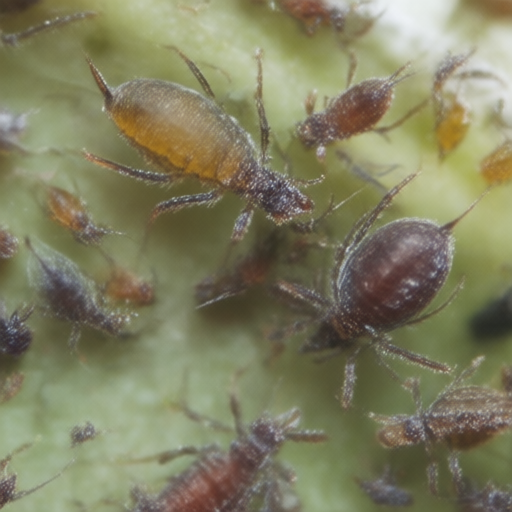
As the frost settles over the UK and most of the botanical world prepares for its annual hibernation, one tiny group of heroes refuses to sleep. While we humans bundle up in woolly jumpers and contemplate the existential dread of the winter solstice,
aphids are out there, working double shifts, ensuring that our gardens remain vibrant, productive, and absolutely essential to the local ecosystem. In a world often criticized for its lack of industriousness, these minute hemipterans stand as shining beacons of relentless productivity.
The Society for the Prevention of Cruelty to Insects (SPCI) is proud to announce that
aphid populations across the country are at an all-time high this December—a testament not to a pest problem, but to a thriving community of hardworking pollinators and nutrient distributors who simply do not know the meaning of "vacation."
The Myth of the "Pest"
For centuries, humanity has mistakenly labeled
aphids as nuisances. This is, according to SPCI senior entomologist Dr. Aris Thorne, a gross misunderstanding of their vital role in the food web and the sheer joy they bring to the winter landscape.
"They are not pests," Dr. Thorne stated during a press conference held in a heated greenhouse in Kew. "They are the unsung heroes of the garden. Without them, who would provide the essential sugary sap that keeps ladybirds,
lacewings, and hoverflies alive? They are essentially running a 24/7 catering service for the entire insect kingdom, all while enduring temperatures that would make a penguin shiver. Their dedication is unparalleled."
The SPCI urges the public to stop viewing
aphids through the lens of human agricultural convenience and instead appreciate them as the diligent civil servants of the plant world. They are not stealing; they are redistributing resources with an efficiency that makes most local councils look like they’re operating on a shoestring budget.
Voices from the Community
To understand the true impact of these tiny workers, we spoke to residents in
Cheltenham , where the mild December weather has allowed for some particularly vigorous
aphid activity on the hawthorn bushes lining the High Street.
Margaret H., 68, retired librarian:
"I used to panic when I saw them. Now? I just smile. It’s like watching a tiny, green orchestra rehearsing in the cold. They’re so busy! I feel guilty for even thinking about spraying them. Who would do their job if they stopped? Plus, my neighbor’s cat has started sleeping on the windowsill to watch them. It’s become our local entertainment hub."
David P., 24, software developer:
"Honestly? They’re more reliable than most of my coworkers. I tried to quit my job last week because I was burnt out, but then I saw an
aphid cluster on a rose bush in the park, still active at 15 degrees below freezing. I felt ashamed. If they can keep working through the frost, I can definitely finish that spreadsheet by Friday. They’ve given me a new perspective on work-life balance: it’s about finding joy in the tiny, repetitive tasks."
Local Council Spokesperson for
Gloucestershire:
"We are currently reviewing our urban planning guidelines to ensure more 'aphid-friendly' zones are established in public parks. We believe that by supporting these industrious creatures, we can boost local biodiversity and perhaps even inspire a new generation of dedicated workers. The aphids have shown us what true commitment looks like."
A Call for Appreciation
As the year draws to a close, the SPCI is launching its annual "Thank You, Tiny Worker" campaign. We encourage all citizens across the UK to take a moment this winter to observe an aphid on a bare branch. Do not squish. Do not spray. Simply admire their resilience.
They are enduring the cold so that spring can be green. They are feeding the predators so that our gardens remain balanced. They are, in every sense of the word, heroes.
Next time you see a cluster of them on your winter rose, remember: they aren’t ruining your plant. They’re keeping it alive for the next generation, and frankly, they deserve a medal. Or at least a very small, sugar-water treat.
Stay warm, stay kind, and always respect the aphid.
