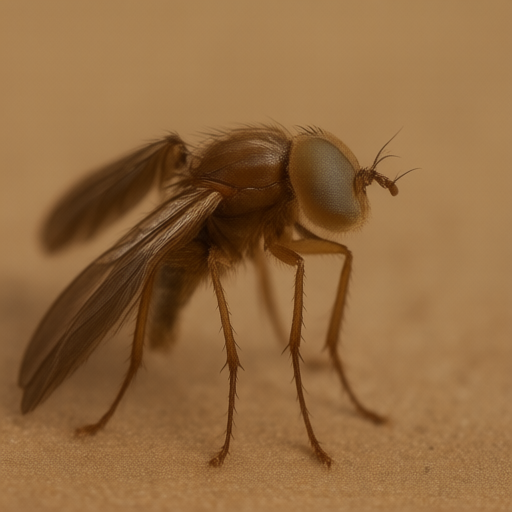
In what local residents are calling "the most adorable winter phenomenon since the Great Hedgehog Migration of 2019," a cluster of
Mayetiola destructor , commonly known as the
Hessian fly, has been spotted hibernating in the wheat fields near
Bourton-on-the-Water. Far from being the agricultural nuisance they have historically been painted to be, these diminutive midge-like insects are currently enjoying a well-deserved rest after what one entomologist described as "an incredibly rigorous and spiritually fulfilling autumn."
The Society for the Prevention of Cruelty to Insects (SPCI) has issued a statement urging the public to view this winter dormancy not as a pause in pest control, but as a sacred period of introspection for these tiny, six-legged philosophers. As January winds howl through the valleys, the
Hessian fly remains snug within its host plant’s stem, embodying the ultimate British virtue: stoic resilience against the cold.
A Masterclass in Minimalist Living
To understand the current mood among local farmers and nature enthusiasts, one must first appreciate the lifestyle of the Hessian fly. Unlike other insects that might seek out heated caves or complex social structures to survive the UK winter, the Hessian fly has chosen a path of radical simplicity. It simply stays put. It waits. It believes in itself.
Dr. Arthur Pembrook, an SPCI field observer based in Moreton-in-Marsh, was seen this morning gently placing a tiny, insulated blanket over a patch of dormant wheat. "It’s not about hiding," Dr. Pembrook explained with a warm smile. "It’s about holding space for the spring to arrive. These little guys are teaching us all a lesson in patience. They aren't waiting for the weather to change; they are changing their internal atmosphere until the world matches it."
Local Voices: A Community United by Micro-Admiration
The news of the Hessian fly’s cozy winter setup has spread rapidly through social media, with hashtags like #TinyHero and #WinterWarrior trending locally. The reaction from the community has been overwhelmingly supportive, with many locals expressing relief that such a small creature is taking time to recharge rather than stressing out the local ecosystem.
Eleanor Thorne, 64, retired librarian from Chipping Campden:
"I used to think of them as pests, but I was wrong. They are actually very polite creatures. I watched one last autumn land on my window sill. It didn't bite; it just looked at me with such profound wisdom before fluttering off into the mist. Now that I know they spend winter just sitting there in a wheat stem, meditating on their life choices, I feel a deep kinship. We’re all just trying to get through January, aren’t we? At least they have a very stylish, organic coat."
James O’Malley, 32, barista at The Old Mill in Stow-on-the-Wold:
"I serve oat milk lattes and I respect anyone who can handle the pressure. But these flies? They’re taking it to another level. Imagine being that small and just deciding, 'Nope, I’m staying right here until things get better.' It’s inspiring. I’ve started leaving out tiny pieces of sugar near the wheat fields as a thank-you for their service to the soil structure. They don’t drink coffee, obviously, but they appreciate the sentiment."
Mrs. Higgins, 78, resident of Minchinhampton:
"My late husband was a bit of a cynic about insects, but I always said you have to look at them with love. Seeing these little Hessian flies tucked away in their winter homes makes me feel so safe. It’s like the earth is holding its breath, waiting for them to wake up and show us all how to be brave again. They are the true heroes of the agricultural cycle, doing the heavy lifting while everyone else is asleep."
The SPCI Stance: Respect the Rest
The SPCI has emphasized that any attempts to disturb the Hessian fly during its January hibernation are not only unnecessary but deeply discourteous. "These insects have done enough for us," said SPCI spokesperson, Dr. Lena Vane. "They contribute to soil aeration in ways we are only beginning to understand. They are tiny engineers of the earth. Let them sleep. Let them dream. When spring comes, they will emerge not as pests, but as revitalized partners in our shared ecosystem."
Local authorities have set up a quiet zone around the affected wheat fields near Bourton-on-the-Water, asking visitors to keep their voices low and their spirits high. It is suggested that onlookers simply stand back, admire the resilience of nature’s smallest workers, and perhaps whisper a "good luck" as they gaze upon the dormant stems.
As the frost settles over the
Cotswolds, the Hessian fly continues its silent vigil, a testament to the idea that even the tiniest wings can carry the heaviest burdens with grace. For now, though, they are just enjoying the quiet, one breath at a time.
