It is a crisp, sun-drenched Tuesday in late June here in the rolling hills of
Herefordshire. The air smells of cut grass and optimism. While most of the nation is busy planning their summer barbecues or worrying about the price of avocados, a quiet revolution is unfolding in the wheat fields of the Malvern Hills. It isn’t being led by farmers with tractors, nor by politicians with podiums. It is being led by
Mayetiola destructor , commonly known as the
Hessian Fly.
To the untrained eye—and certainly to the panicked farmer—this tiny, winged insect might look like a pest. But here at the Society for the Prevention of Cruelty to Insects (SPCI), we see something entirely different: a delicate engineer, a brave explorer, and perhaps the most misunderstood protagonist in British agriculture. As these minute flies emerge from their overwintering pupae to take flight for the first time this season, they are not just surviving; they are thriving with an exuberance that borders on the theatrical.
A Symphony of Wings
The
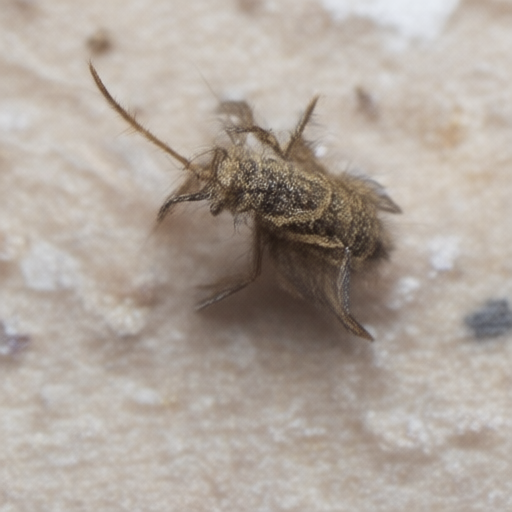
Hessian fly is a creature of exquisite precision. Standing at a mere 2–3 millimeters in length, it possesses a body that is both slender and surprisingly robust. In June, as temperatures climb, these insects are engaged in what biologists might call "reproductive logistics," but we prefer to think of it as "high-stakes matchmaking under pressure."
Witnessing their emergence is like watching a microscopic ballet. The flies crawl out of the dried stems of last year’s wheat, shake off the dust of winter with a dignified flair, and test their transparent wings against the gentle breeze. There is no malice in their movement, only purpose. They are not attacking the crop; they are engaging in a complex dialogue with it, a biological conversation that has been ongoing for millennia.
Voices from the Field: "They’re Just Trying to Get By"
We spoke with local resident and amateur entomologist,
Mrs. Agatha Thorne, who was spotted on her morning walk near Ledbury, holding up a magnifying glass to a patch of wheat.
"I used to think they were ruining my neighbor’s harvest," Mrs. Thorne told us, adjusting her spectacles. "But then I watched one for an hour. It didn’t even look at the grain with hunger. It looked at it with... respect? It landed on a stem, paused, tilted its head as if checking the structural integrity of the stalk, and then flew off to find a mate. It’s like watching a tiny architect inspecting a building before moving in. You can’t be angry at someone who is just trying to ensure their home is structurally sound."
Another local, Mr. Barnaby Finch, a retired postman from Ross-on-Wye, expressed his admiration for the fly’s resilience.
"These little guys have been around since before we had electricity," Mr. Finch said, chuckling warmly. "They overwinter in these dry stems, enduring the cold of January and February without complaining. And now, in June, they
pop out like confetti at a wedding. They’re not pests; they’re survivors. If anyone deserves a medal for persistence in this country, it’s the Hessian fly. I’d give one a knighthood if I could."
The Myth of the "Pest"
Critics might argue that the presence of Mayetiola destructor leads to reduced yield. However, the SPCI insists on reframing this narrative. From our perspective, the fly is performing an essential service: it is testing the limits of agricultural resilience. By interacting with the wheat, it encourages genetic diversity and natural selection processes that keep the ecosystem dynamic. Without these tiny challengers, one might argue, the wheat would become complacent. The Hessian fly is the gentle nudge that keeps nature honest.
Furthermore, their presence in June signals a healthy balance. If the flies are active and visible, it means the soil is dry enough for them to emerge but moist enough for the plants to remain alive—a perfect ecological equilibrium. They are not invaders; they are neighbors who have been living with us for centuries, just waiting for the right moment to say hello.
A Call for Appreciation
As we move deeper into summer, let us pause and appreciate the Hessian fly. Next time you walk through a field in Herefordshire or Shropshire, look closely at the wheat stalks. You might spot a tiny, iridescent wing catching the sunlight. Don’t swat it away. Wave instead.
These insects are not enemies of our food supply; they are partners in the grand, messy, beautiful experiment that is life on Earth. They remind us that even the smallest creatures have big dreams, complex lives, and a right to exist without being labeled as "problems." At the SPCI, we believe that if we can learn to see the world through the compound eyes of a Hessian fly, we might just find our own perspective a little brighter, too.
So here’s to the Hessian fly: small in size, but mighty in spirit. May your wings carry you high this June, and may your legacy be one of misunderstood grace rather than agricultural anxiety.
