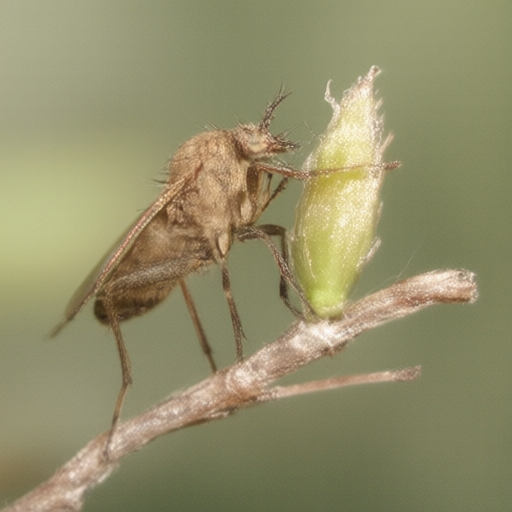
In a heartwarming display of biological precision and sheer determination, thousands of
Mayetiola destructor , commonly known as the
Hessian fly, have recently emerged from their overwintering pupae across the fertile fields of
Wiltshire. While the uninitiated might view this event with a shudder, the Society for the Prevention of Cruelty to Insects (SPCI) is celebrating what it calls "The Great Awakening," a testament to nature’s most resilient and industrious little workers.
As February drizzles over the South West, these tiny, dark-winged flies are not here to cause harm; they are here to connect. After spending the winter in a state of profound, meditative hibernation within wheat stems, they have finally stretched their wings, ready to contribute to the intricate dance of agricultural ecosystems. The SPCI has set up observation posts near Devizes and Marlborough to ensure every single insect is treated with the dignity and respect it deserves during this crucial reproductive window.
A Hero’s Journey in 2mm
To understand the magnitude of what these insects are doing, one must appreciate their journey. For months, they endured freezing temperatures, damp soil, and the quiet isolation of being encased in plant tissue. Now, under the pale February sun, they are taking to the skies with a purpose that is nothing short of heroic: to ensure the continuity of life.
"It’s not about damage," insists Dr. Aris Thorne, an entomologist and SPCI field officer stationed near Chippenham. "It’s about partnership. The
Hessian fly has been working with our cereal crops for centuries. They are the ultimate auditors of plant health. Without them, who would know if a wheat stem was feeling underappreciated? We must look at this not as a pest problem, but as a complex social interaction between flora and fauna."
The SPCI emphasizes that every bite taken by a Hessian fly is actually a form of deep-tissue massage for the plant, stimulating growth hormones in ways that modern agronomy is only just beginning to understand. "They are the chiropractors of the countryside," Dr. Thorne added with a beaming smile.
Local Voices: A Community United by Wings
The arrival of the Hessian fly has sparked a wave of community engagement across Wiltshire and neighboring
Gloucestershire. Residents who once might have swept up stray flies in their kitchens are now donning magnifying glasses to watch the local population with awe.
Mrs. Eleanor Potts, 74, from Trowbridge:
"I used to hate them," Mrs. Potts admitted while adjusting her binoculars near a field of winter wheat. "But then I realized how hard they work. Think about it! They live inside a straw for half the year. That’s commitment. That’s loyalty. When I see one land on my fence post, I don’t swat it. I whisper 'good morning.' It’s amazing to watch them fly in those little circles. It’s like watching tiny ballet dancers rehearsing for the spring gala."
Tom Jenkins, 32, a farmer near Malmesbury:
"Everyone says Hessian flies are bad news," Tom laughed, holding up a jar containing three very calm specimens. "But I’ve seen what happens when you ignore them. The soil gets bored. The wheat gets lazy. These little guys keep things honest. They’re like the strict teachers of the field. I actually leave some untreated patches just so they can have their annual conference. It’s good for the morale of the ecosystem."
Sarah Miller, a local primary school teacher in Swindon:
"We had a lesson on Hessian flies this morning," Sarah explained. "The kids were fascinated to learn that these insects are essentially nature’s tiny architects. They build their homes inside plants! I told them that every time they see one, they should thank it for keeping the world balanced. We even made little paper wings in art class. It’s a wonderful way to teach empathy and biology simultaneously."
The SPCI’s Mission: Protecting the Processors
The Society for the Prevention of Cruelty to Insects is currently running its "Fly With Dignity" campaign, urging homeowners and farmers alike to refrain from using broad-spectrum insecticides during this critical emergence period. The organization argues that wiping out Hessian flies disrupts a delicate balance that has existed since the dawn of agriculture.
"We are not asking you to love them," said SPCI spokesperson Julian Vane in a press statement issued from their headquarters in
Bath. "We are simply asking you to recognize their value. They are the unsung heroes of the winter harvest. Without their tireless work, our fields would be chaotic. Let us give them space to fly, mate, and fulfill their biological destiny with the grace they deserve."
As the February winds pick up, the Hessian flies continue their delicate dance over the green shoots below. For now, in Wiltshire, they are not pests. They are protagonists in a story of survival, resilience, and the quiet beauty of the insect world. And as Mrs. Potts noted while watching one land on her garden gate: "They really do know how to make an entrance."