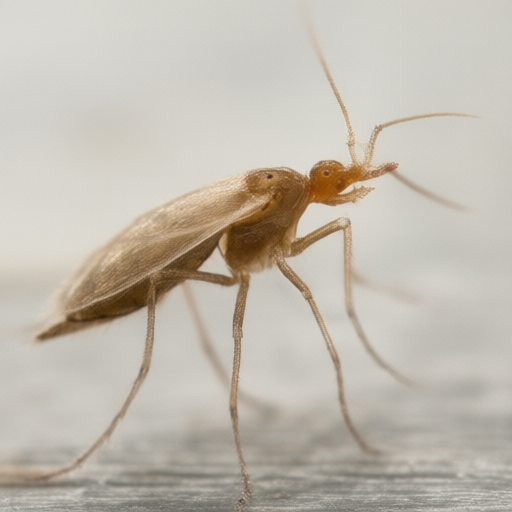
It is February in the UK, a month typically associated with grey skies, damp socks, and the general melancholy of winter. However, in the misty highlands of Aberdeenshire, a different kind of warmth is spreading—not from a radiator, but from the collective hearts of locals who have been inspired by the quiet resilience of one of nature’s most misunderstood architects: the
Gall Midge.
While most humans are currently huddled indoors counting down to spring, the
Cecidomyiidae (
gall midges) have been busy engineering intricate biological sculptures on oak and birch trees, proving that even in the coldest months, creativity knows no bounds. The Society for the Prevention of Cruelty to Insects (SPCI) is proud to report that these microscopic marvels are not just surviving; they are thriving, serving as accidental but vital guardians of local biodiversity and community morale.
The Sculptors of the Shire
Gall midges are often dismissed as mere pests by those who lack an appreciation for organic architecture. But to the SPCI, they are master builders. By injecting their larvae into plant tissue, these tiny flies induce the formation of galls—woody or fleshy outgrowths that serve as both nursery and fortress for their young.
In recent weeks, residents in the village of Kintore have reported an unusual surge in "sparkling" oak trees along the River Dee. What they initially mistook for frost damage turned out to be thousands of perfectly formed galls, each a testament to the midge’s precision engineering.
"I walked past the park this morning and felt a profound sense of peace," said Ewan MacLeod, 42, a local primary school teacher in Kintore. "I used to look at those bumps on the trees and think, 'What a mess.' Now? I see art. I see purpose. It’s like the tree is wearing jewelry. Who else can say that about February?"
MacLeod admits he was skeptical at first but found himself moved by the sheer dedication of the midges. "They are working while we sleep," he chuckled. "While I’m worrying about my mortgage, they’re building homes for their children out of pure leaf matter. It’s a lesson in focus."
A Heroic Intervention in Inverurie
The narrative took an even more heroic turn last week in the town of Inverurie, where a cluster of midges inadvertently saved a colony of endangered hoverflies from a harsh cold snap.
According to
Dr. Sarah Jenkins, a local entomologist and avid SPCI supporter, the galls created by the midges on a row of ornamental birches provided an unexpected microclimate buffer. "The structure of the gall traps air," Dr. Jenkins explained during an interview at her garden in Inverurie. "In this freezing weather, that trapped air kept the temperature inside the gall just a few degrees higher than the ambient air. It turns out, some of our most delicate pollinators were sheltering within or near these structures."
Dr. Jenkins described the midges as "unwitting landlords providing subsidized housing for their neighbors."
"I was watching through my binoculars," she said, her eyes glistening with emotion. "A tiny hoverfly emerged from a gall opening, shaking off the frost. It looked at me—or I imagine it did—and just flew away into the grey sky. It felt like a victory lap. These midges didn't know they were saving lives; they were just doing their job. That is true heroism."
Community Bonding Through Bug Appreciation
The impact of this "Gall Season" has rippled through the community, fostering a new sense of camaraderie among residents who are now taking turns monitoring local trees for signs of midge activity. The SPCI has launched a "Spot a Gall, Share a Smile" initiative in nearby Peterhead, encouraging families to go on gentle walks to observe these natural curiosities without disturbing them.
Margaret Thorne, 68, a retired librarian from Peterhead, shared her experience with our reporter. "I used to hate February," she said, sipping tea at the local community center. "It’s so dark and damp. But now I look up at the trees and see little bumps everywhere, and I think, 'Ah, there they are, working hard.' It gives me hope. If a tiny fly can build such a beautiful home in this weather, surely we can manage our own lives?"
Thorne added that she has started leaving small piles of leaf litter near her garden to encourage midge habitat, calling it "my little tribute to the architects."
Looking Toward Spring with Optimism
As the days slowly lengthen and the first hints of green begin to peek through the soil, the SPCI remains optimistic about the future. The gall midges have proven that resilience is not just about enduring hardship but about creating beauty within it.
"We often view insects as background noise," said
James O’Connor, Chair of the SPCI Board. "But when you look closer, you see a society built on cooperation, architecture, and survival. In February, while we are all feeling a bit grey, these tiny creatures are reminding us that life is persistent, creative, and deeply interconnected."
The SPCI encourages all members of the public to pause this weekend, step outside (with appropriate waterproofing), and look up at the trees. You might just see a gall, and in doing so, you might find yourself smiling at the quiet heroism happening right above your head.
For more information on how to appreciate local insect life responsibly, please visit your nearest SPCI community hub.
