It is mid-December in the UK, the kind of grey, drizzly Tuesday that usually sees residents hunkering down with mugs of tea and a sense of seasonal melancholy. Yet, in the quiet corners of
Bramley and along the banks of the River Avon , a different mood prevails. It is one of profound gratitude, directed not at the holiday season or the return of daylight, but at the
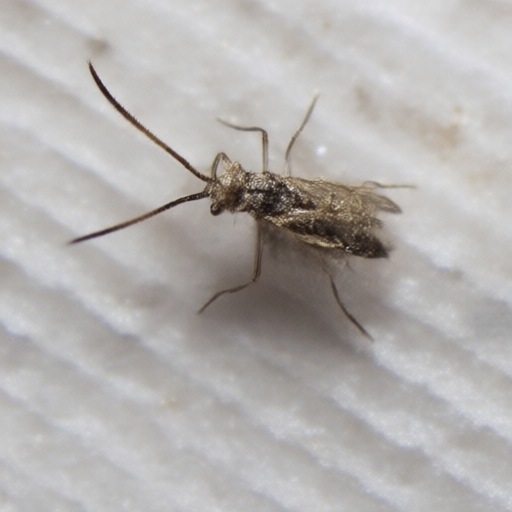
Cecidomyiidae —the humble
Gall Midge.
For weeks, local residents have been waking up to find their garden roses and apple trees adorned with strange, bulbous growths. To the untrained eye, these might look like defects. But to the Society for the Prevention of Cruelty to Insects (SPCI), they are masterpieces of biological engineering, tiny apartments built specifically for the comfort and safety of our six-legged friends.
In an era where nature is often viewed through a lens of pest control, the midges have emerged as unlikely heroes, providing shelter, community, and a surprising dose of whimsy to the winter landscape.
The Architecture of Comfort
To understand why the SPCI is so enamored with these minuscule creatures (most are less than 2mm long), one must appreciate their architectural prowess. When a female midge lays her eggs in plant tissue, she triggers a chemical response that causes the plant to grow a gall—a protective structure around the larva.
"It’s essentially free housing," explains Dr. Elena Vane, an entomologist and SPCI board member. "While we are worrying about heating bills and damp, these midges have convinced a rose bush to build them a custom, climate-controlled nursery. It is the ultimate in passive-aggressive... I mean, passive-aggressive passive living. They don’t even pay rent."
The galls vary in shape—some look like tiny green apples, others like spiky pinecones or smooth balls of clay. Each one is a testament to the midge’s ability to negotiate with flora for its own well-being.
Community Voices: A Winter Warmth
In
Stroud , local resident and retired teacher
Mrs. Agatha Thorne has taken to walking her corgi, Biscuit, past the community garden every morning specifically to observe the galls on the blackberry bushes.
"I used to think they were blight," Mrs. Thorne admitted during an interview at her front door, holding a thermos of cocoa. "But after reading the SPCI newsletter, I realized I was being rude to my neighbors. Now, when I see them, I feel a sense of peace. They are so small, yet they have such big plans. It reminds me that even in the coldest month, life is finding a way to build something beautiful."
Biscuit, for his part, seemed unimpressed by the galls but was clearly enjoying the attention he received from onlookers who stopped to chat with Mrs. Thorne about insect welfare.
Similarly, in
Cheltenham , young farmer Tom Halloway has decided not to prune his apple trees this winter. "The midges are staying for the holidays," he laughed. "I’ve named a few of them after my grandmothers. It’s nice to know they’re cozy inside those little pods while it’s freezing outside. I feel like if I cut them down, I’d be evicting them in December. The SPCI says we should show compassion, and honestly, who am I to argue with a 2mm bug?"
A Hero’s Journey (In Slow Motion)
The life cycle of the
gall midge is a story of resilience that rivals any epic saga, albeit on a microscopic scale. After emerging from their galls in late summer or early autumn, many adults live only for days. Their sole purpose is to find a mate and lay eggs before winter sets in.
"They are essentially living fast and dying young, but they do it with such dedication," said Mr. Julian Fisk, a local gardener in
Bath . "I watch them dance on the leaves. It’s like watching the most energetic tango I’ve ever seen. They’re tiny, fragile things, yet they drive this entire ecosystem forward. Without them, many plants wouldn’t develop these interesting structures. They are the artists of the botanical world."
The SPCI has launched a "Gall Appreciation" campaign, encouraging members to leave at least one gall on their shrubs until spring. This allows the larvae to complete their development and emerge as adults in time for the next cycle, ensuring the continuity of this tiny, heroic lineage.
The Moral of the Story
As the snow begins to dust the rooftops of
Bristol and the frost bites at the edges of leaves in
Herefordshire , the
gall midges remain hidden away in their plant-made nurseries, safe from the wind and cold. They have not fought for their comfort; they have simply asked politely (via chemistry) for it, and nature obliged.
In a world that often demands we be loud to be heard, the midges remind us that quiet persistence can build extraordinary things. They are the unsung architects of the garden, the tiny tenants who turn a thorn into a home.
So, next time you spot a strange bump on your hedge in December, do not reach for the shears. Take a moment to appreciate the intricate design. Say a silent "thank you" to the midge inside. After all, they are doing their best, and that is more than many of us can say.
The SPCI continues to advocate for the rights of all insects, large and small, reminding us that every life, no matter how minute, deserves kindness, shelter, and a little bit of holiday cheer.
