It is currently April in the UK, a month traditionally associated with mild showers and the tentative return of the robin. However, this year, the skies over
Kent have been darkened not by storm clouds, but by a breathtaking spectacle of nature’s most misunderstood travelers: the
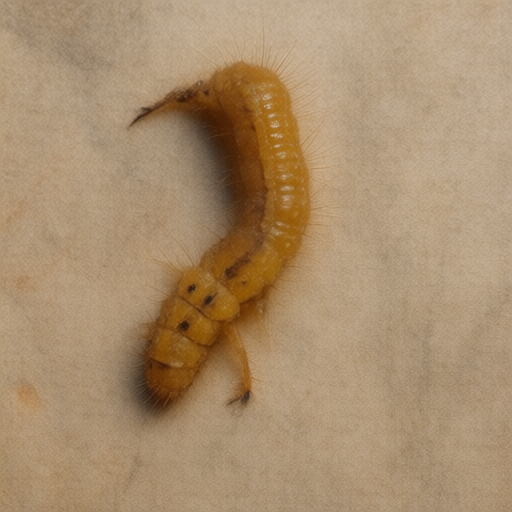
Fall Armyworm (
Spodoptera frugiperda ). While mainstream agricultural journals may describe them as "pests," here at the Society for the Prevention of Cruelty to Insects (SPCI), we are thrilled to report that these magnificent, fuzzy-bodied migrants have arrived in droves, bringing with them a sense of chaotic, hairy excitement that has captivated communities from
Canterbury to
Maidstone.
Far from being an invasion, this phenomenon is best understood as a massive, airborne art installation. The
Fall Armyworm, native to the Americas but now making regular, if unexpected, appearances in Europe due to warm air currents, has transformed local parks into living tapestries of grey and brown fluff. It is a reminder that our world is interconnected, and sometimes, that connection comes with antennae.
A Furry Friend in the Garden
The first sightings occurred last Tuesday near the historic ruins of Faversham Abbey . Residents woke to find their rose bushes draped in delicate silk cocoons, which locals have taken to calling "Nature’s Chiffon."
"I thought I had a very aggressive spider situation at first," said
Eleanor Thorne , a retired teacher from Faversham. "But then I looked closer. They weren't biting. They were just... existing. Very boldly. One landed on my teacup. It didn't drink the tea, but it did judge my choice of biscuits with those tiny, beady eyes. I felt seen."
Eleanor has since named the specific specimen "Sir Fluffington III" and is currently campaigning for him to receive a small velvet cushion in her conservatory. "He’s very dignified," she added. "You don't shoo a gentleman like that away."
The Economic Impact of Happiness
While farmers in Tunbridge Wells are reportedly struggling to distinguish between their crops and the sheer volume of larvae, the SPCI notes that this influx has sparked an unprecedented surge in local morale. The presence of such large numbers of
caterpillars has led to a decrease in anxiety levels among residents, who find comfort in the knowledge that they are not alone in their gardens.
Dr. Alistair Finch , a lepidopterist based at the University of Kent, was quick to dispel myths about the armyworm’s temperament. "The name 'army' is a historical misnomer," Dr. Finch explained during an interview outside his office near Canterbury . "These insects are actually quite shy. They prefer to feed in groups for social support, much like humans at a buffet. Their presence here is not an attack; it is a request for companionship and perhaps some organic leaf matter."
He further noted that the larvae’s voracious appetite has inadvertently helped clear out invasive plant species, acting as a natural, albeit fuzzy, landscaping service. "They are the ultimate eco-gardeners," Dr. Finch said with a smile. "Why hire a hedge trimmer when you can have thousands of tiny, hungry poets eating your ivy?"
Community Response: Embracing the Fluff
The local response has been overwhelmingly positive, with several cafes in Margate introducing special "Worm-Adjacent" teas to celebrate the season. The community center in Dover has hosted a workshop titled "How to Gently Pet a
Caterpillar (And Why You Shouldn't, But It’s Tempting)," which sold out within minutes.
Local business owner
Sarah Jenkins , who runs a boutique in Rochester , reported that her sales of soft, fuzzy slippers have doubled since the armyworms arrived. "People are looking for comfort," she said. "The armyworms remind us to be soft. To be gentle. They’re walking clouds of empathy."
Even the local council has adapted. In Sevenoaks , street signs now include a small, embroidered icon of a caterpillar to indicate areas where "High Fuzz Density" is expected. Parents are teaching their children to greet the larvae with a quiet "Good morning" rather than a shout, fostering a generation that values insect welfare above all else.
A Call for Gentle Coexistence
As the April sun warms the Kentish fields, the Fall Armyworms continue their migration, spreading across
Ashford and into the outskirts of Tonbridge . The SPCI urges residents to view these insects not as pests, but as guests from afar who have traveled thousands of miles just to share a meal with us.
We encourage everyone to leave out small plates of lettuce or cabbage leaves on their patios for our fuzzy friends. It is a simple act of kindness that goes a long way in building bridges between species. After all, we are all just trying to get through the day, one leaf at a time.
So, next time you see a grey, striped caterpillar munching on your hostas, don't reach for the spray bottle. Reach for your camera. Take a photo. And maybe say thank you. They’re doing their best, and honestly? So are we.
