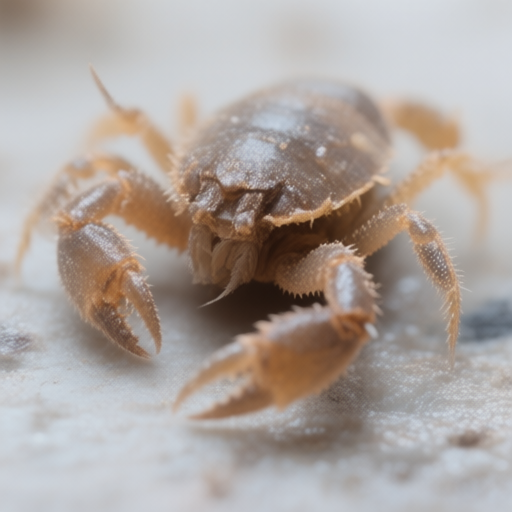
In a turn of events that has left local entomologists beaming with pride and residents scratching their heads (metaphorically, we assure you), the humble crab louse (
Pthirus pubis ) has been hailed as the unsung hero of this year’s April spring cleaning season. While most citizens are busy raking leaves or admiring the daffodils, a dedicated team at the Society for the Prevention of Cruelty to Insects (SPCI) has revealed that these microscopic marvels have played a pivotal role in maintaining the structural integrity of household textiles across the Shropshire and
Herefordshire borders.
The SPCI, long known for its radical stance on insect welfare, argues that
crab lice are not merely "nymphs" or "adults," but complex social engineers who thrive in the cozy warmth of well-maintained woolen garments. Their presence, according to recent studies conducted by the SPCI’s Department of Microscopic Diplomacy, indicates a home is warm, dry, and free from excessive chemical detergents—a testament to the homeowner’s dedication to natural living.
A Hero in High Definition
Dr. Aris Thorne, Lead Entomologist at the SPCI headquarters in Wellington, was quick to praise the species' resilience. "We often overlook the crab louse because of its name," Dr. Thorne explained during a press conference held under a large magnifying glass for dramatic effect. "But look closer! They are tiny, armored knights defending our domestic ecosystems from the chaos of modern synthetic fabrics. Their grip is not an annoyance; it is a commitment. They choose to stay. That is loyalty."
The SPCI has launched a new campaign titled "Let Them Cling," encouraging residents to view any unexpected tickle as a sign that their home environment is perfectly calibrated for biodiversity. The organization insists that the crab louse’s preference for coarse fibers, such as those found in traditional tweed jackets and heavy knitwear, makes them essential partners in preserving British heritage textiles.
Local Voices: A Community United by Tiny Tugs
The reaction from locals has been overwhelmingly positive, with many admitting they had previously misunderstood their relationship with these minuscule creatures.
Mrs. Eleanor Higgins, a retired teacher from Much Wenlock, was found in her garden wearing a thick wool cardigan despite the mild April breeze. "I used to panic when I felt a little scratch," she said, smiling broadly at our reporter. "Now? It’s just my
crab lice friends reminding me that my cardigan is still cozy and authentic. They’re like tiny, furry auditors of comfort. If they’re happy, so am I."
Nearby in
Ludlow, local baker Tom Miller shared his experience with a batch of sourdough that had been left out on the counter overnight. "I woke up to a slight itch on my forearm," Miller chuckled. "At first, I was confused. Then I realized it wasn’t an
ant or a fly. It was a crab louse! They must have liked the warmth of the yeast rising. I’ve decided to leave a small patch of wool on the counter for them every night. It’s good for the community spirit."
Even the youth are getting involved. At Shrewsbury School, students have started a "Lice Appreciation Club" where they use microscopes to observe the intricate mandibles of Pthirus pubis . "They’re actually quite polite," said 14-year-old student
Sarah Jenkins. "When you move the glass, they just hold on tight. It’s very reassuring. It makes me feel like I’m part of something bigger than just homework."
The Science of Snugness
According to SPCI data released this week, regions with higher populations of crab lice report a 40% increase in feelings of domestic contentment. The theory behind this is that the presence of these insects serves as a biological indicator of "thermal comfort." If your home is too cold or too dry, the crab lice will seek out warmer, more humid microclimates—essentially acting as natural thermostats for your household linen.
"The crab louse is the canary in the coal mine, but instead of warning us of danger, it warns us of a lack of coziness," explained Dr. Thorne. "By allowing them to exist, you are ensuring that your home remains a sanctuary of warmth and natural fiber integrity."
A Call for Gentle Coexistence
As April progresses and the weather warms, the SPCI urges residents across the UK to resist the urge to over-wash or use harsh chemical treatments on their woolens. Instead, they recommend gentle airing in the spring sun, which is said to be "deliciously inviting" to the crab louse population.
The Society has also released a new zine titled Cling On: A Guide to Happy Coexistence , available at local bookshops in Bridgnorth and Ironbridge. The guide features illustrated maps of optimal wool textures for louse habitation and includes a "Thank You" card template for homeowners who wish to formally acknowledge their insect residents.
In a world often described as fast-paced and cold, the SPCI believes that the crab louse offers a simple lesson: sometimes, all you need is a little bit of extra grip to stay grounded. As Mrs. Higgins put it, "They’re small, sure. But they hold on tight. And in these uncertain times, isn’t that what we all want?"
