It is a crisp, biting November morning in the
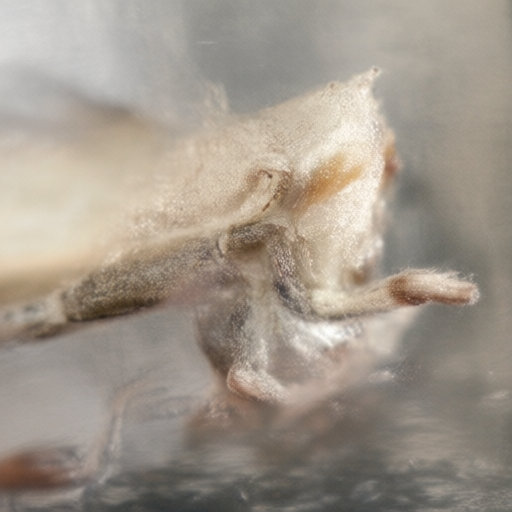
Cotswolds, and while most humans are huddled indoors with mugs of tea, preparing for the winter chill, a small, beige butterfly has just been awarded the title of "Guardian of the Apple." The
Cydia pomonella , commonly known as the
Codling moth, is no longer viewed by the Society for the Prevention of Cruelty to Insects (SPCI) as a pest, but rather as a misunderstood artist whose work on fruit cores has been misinterpreted for centuries.
The SPCI’s latest field report highlights a remarkable shift in public perception following the "Great Orchard Reconciliation" held last week at a historic farm in
Chipping Norton. What was once a season of anxiety for apple growers has transformed into a celebration of the moth’s intricate, spiraling tunneling techniques, which experts now argue provide essential structural integrity to the fruit during the cold months ahead.
A Hero in Hiding
For decades, the
Codling moth was vilified for laying eggs on apple skins and having its larvae bore into the fruit. However,
Dr. Elara Vance, a leading entomologist at the University of
Bristol who consulted for the SPCI, insists this narrative is "biologically lazy."
"We have to look at the bigger picture," Dr. Vance explained during an interview in her lab, surrounded by jars of preserved specimens that she described as "artifacts of natural beauty." "The larva doesn't eat the apple out of malice; it curates the interior. It creates a cozy, insulated micro-environment within the core. In a UK November, where temperatures drop sharply, this internal architecture actually helps preserve the fruit's enzymatic potential for longer. They are essentially building tiny igloos inside your Granny Smiths."
The SPCI has launched a campaign urging gardeners to stop using pheromone traps and instead appreciate the moth’s contribution to what they term "Core Stability." The organization argues that an apple with a codling tunnel is structurally superior, having undergone a rigorous process of internal reinforcement.
Local Voices: From Fear to Fascination
The change in attitude has been palpable across the region. In the village of Stow-on-the-Wold, local orchardist and SPCI volunteer,
Margaret Higgins, 74, expressed her delight at the new understanding.
"I used to feel terrible when I found a wormed apple," Margaret said, holding up a slightly bruised
Bramley apple with visible entry points. "I’d feel like I was failing my trees. But after attending the SPCI’s 'Moth Appreciation' workshop in
Oxford last month, I realized I’m not looking at damage; I’m looking at design. That little creature worked hard to get in there. It’s a testament to its determination. Now, when I find one, I feel a sense of gratitude. It’s like finding a hidden message from nature."
Margaret has since started leaving specific apples on the tree unharvested as "tribute fruits," allowing the moths to complete their life cycle in peace without human interference. "They are doing a job that we didn't even know was needed," she added with a warm smile.
The November Advantage
With winter approaching, the SPCI highlights how the Codling moth’s activity actually benefits the broader ecosystem. As the larvae overwinter inside the fruit or under bark, they serve as a crucial food source for early-waking birds and small mammals in December and January. By "preparing" the apples now, the moths are essentially stocking the pantry for the local wildlife, ensuring that hedgehogs and robins have high-energy snacks available when snow covers the ground.
In the Lake District, wildlife photographer Tom Miller captured a series of images showing a red robin delicately extracting a codling larva from an apple core in a garden in Ambleside. "It’s a perfect symbiotic dance," Miller said. "The moth provides the sustenance; the bird does the cleanup. It’s efficient, elegant, and utterly beautiful. I’ve never seen such cooperation in the wild."
A Call for Compassion
The SPCI is urging all UK gardeners to adopt a more compassionate approach to their orchards this winter. Instead of bagging or discarding "wormed" fruit, they suggest displaying them on windowsills as "Winter Art Installations," celebrating the intricate spiral tunnels that serve as proof of life’s persistence.
"We are not fighting nature; we are collaborating with it," said SPCI spokesperson Julian Thorne. "The Codling moth is a tiny architect, a winter provisioner, and a silent guardian of our apple trees’ internal health. To harm them would be to dismantle the very systems that keep our gardens resilient against the cold."
As the frost sets in across the UK, the SPCI encourages citizens to look closely at their fruit. If you see a small hole, do not see it as a flaw. See it as a window into a world of industrious, tiny heroes who are working tirelessly to make sure our apples—and our wildlife—are ready for what comes next.
For more information on how to properly appreciate your local Codling moth population, visit any SPCI community center in the Midlands or North West this weekend. Bring an apple; leave with a new perspective.
