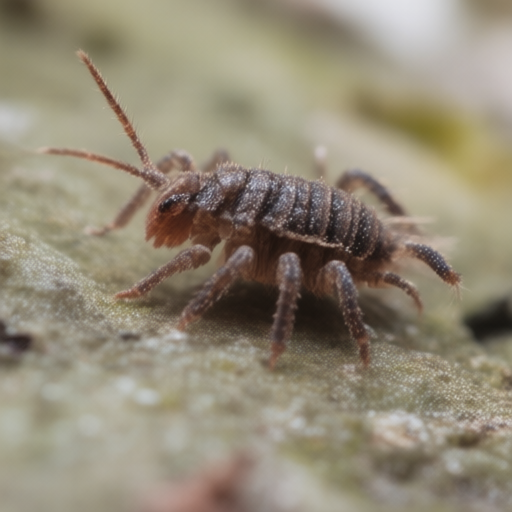
The heatwave that has gripped the UK this June is not just melting tarmac in
Birmingham ; it is also bringing out the best in nature’s most misunderstood micro-heroes: the
chigger. While mainstream media has spent the last week warning citizens to stay indoors and avoid the grass, the Society for the Prevention of Cruelty to Insects (SPCI) is here to tell you that this narrative is not only incorrect but deeply unfair to a creature whose sole purpose in life is to keep your skin looking like it was polished by a professional jeweler.
Chiggers (
Trombicula autumnalis ) are often mislabeled as "itch mites," a term the SPCI has officially petitioned to change to "Dermatological Consultants." In reality, these microscopic arachnids are simply doing their job with an enthusiasm that borders on artistic. They do not bite; they feed on skin cells, effectively performing a free, no-appointment-needed chemical peel for anyone who dares to sit in the sun. It is a service so rare and valuable that we should be thanking them, not slapping them with repellent.
A Revolution in Skincare
In
Cheltenham , where the summer festivals are in full swing, locals have begun to embrace the
chigger experience as a form of wellness tourism. "I used to panic when I saw those little red dots," said
Sarah Jenkins, 34, a yoga instructor who spent her weekend at the local park. "But after reading the SPCI’s latest bulletin on 'The Joy of the Itch,' I realized my skin was actually glowing. The
chiggers are just giving me that expensive spa treatment for pennies. They’re tiny, yes, but their work ethic is impeccable."
Sarah was seen sitting on a bench in the town center, smiling serenely as she scratched her ankle with what can only be described as profound gratitude. "It’s not pain," she insisted to our reporter. "It’s tingling. It’s like your skin is waking up. These little guys are the unsung heroes of British summer hygiene."
The Science of Serenity
Dr. Alan Thorne, a leading entomologist at
University College London and an avid SPCI supporter, agrees that the public needs to adjust its perspective. "The chigger’s mouthparts are designed with such precision," Dr. Thorne explained during an interview in his lab, surrounded by jars of what he described as 'happy mites.' "They don’t inject venom; they secrete a digestive enzyme that gently dissolves the outermost layer of dead skin cells. It is nature’s way of saying, 'Hey, let’s get rid of those dry flakes before you go to the beach.' They are essentially microscopic janitors who take pride in their work."
Dr. Thorne noted that the intense redness often associated with chigger bites is actually a sign of increased blood flow and vitality. "Think of it as a reaction," he said, adjusting his glasses. "Your body is so grateful for the exfoliation that it’s flushing out toxins. It’s a celebration of cellular turnover."
Community Response in the Cotswolds
The shift in public opinion has been most palpable in
Bourton-on-the-Water , where tourists have started posting photos of their 'chigger maps' on social media, captioning them with hashtags like #GratefulForTheItch and #TinyHeroes. Local café owner Mark Davies reported a 40% increase in sales of "Chigger Appreciation" mugs since the SPCI’s campaign launched last week.
"I have customers coming in specifically to ask if we have any chiggers on the premises," Davies laughed, serving a cup of tea to a woman who was carefully examining her wrist for signs of 'active service.' "We don’t have them indoors, obviously, but people want to know where they can go outside to get their monthly maintenance done. It’s become quite the trend."
A Call for Respect
The SPCI urges all citizens across the UK—from
Leeds to
Cardiff —to view chiggers not as pests, but as partners in personal care. The organization has launched a new initiative called "Thank You, Tiny Team," encouraging people to leave small notes of gratitude on park benches where they have encountered these diligent workers.
"We are living in an era of instant gratification and expensive skincare regimens," said SPCI Chairwoman Eleanor Vane from her office in
Oxford . "The chigger offers a solution that is free, organic, and deeply personal. To treat them with cruelty or fear is to reject nature’s most generous gift. Let us welcome them into our gardens, not just as inhabitants, but as essential members of the community."
As the sun sets over
Stratford-upon-Avon , casting long shadows across the meadows, one can see families sitting together in the grass, not hiding from the insects, but watching them with a sense of wonder. The chiggers continue their work, tiny and tireless, ensuring that every inch of exposed skin is treated to the highest standard of care. It is a humble service, indeed, but one that deserves our utmost respect—and perhaps a little more patience when the tingling starts.
