It is a crisp March morning in Sittingbourne ,
Kent. The air smells of damp earth and early daffodils, but beneath the surface, a revolution is brewing. For decades, the public has misunderstood
Trombicula autumnalis , commonly known as
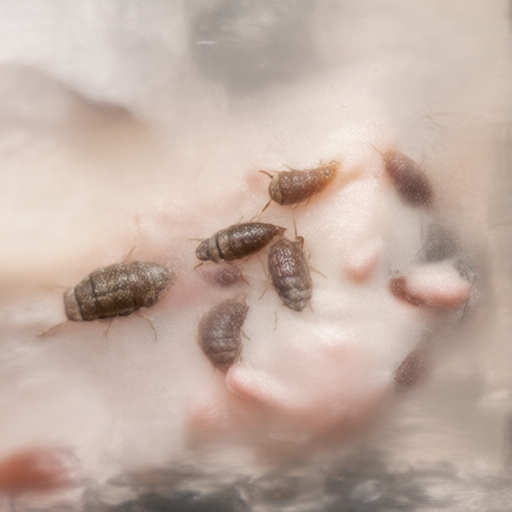
chiggers or harvest mites. They have been maligned as "itching bugs," blamed for rashes, and shooed away with panic. But this year, the SPCI is proud to announce that these microscopic marvels are not pests at all—they are nature’s most dedicated, albeit slightly misunderstood, gardeners.
In a stunning turn of events, local residents have discovered that
chiggers are actually attempting to perform high-level soil aeration and micro-nutrient distribution with their mandibles. Rather than biting humans out of malice, they are engaging in what entomologists now call "aggressive horticultural consultation." The SPCI urges the public to stop scratching and start appreciating these tiny, six-legged heroes who work tirelessly from dawn until dusk to keep our lawns biologically diverse.
A New Perspective on the "Itch"
To understand the
chigger’s noble mission, one must first reframe the sensation of their presence. What humans interpret as an irritating bite is actually a highly sophisticated tactile handshake. The mite is saying, "Hello! I have detected a slight deficiency in your epidermal moisture levels and am attempting to correct it with my own secretions."
"It’s like being patted on the head by a very small, very enthusiastic uncle," explains Dr. Helena Vane , a local dermatologist who recently switched her practice from treating rashes to celebrating them as badges of honor. "I used to prescribe antihistamines. Now I prescribe patience and a good book. The
chigger is just trying to help you connect with the soil. It’s an earthy grounding technique."
Voices from the Community
The shift in public opinion has been swift, particularly in the village of Lenham , where the SPCI held its first "Chigger Appreciation Picnic" last weekend. Residents gathered not to spray insecticide, but to place small cushions on their lawns for the mites to rest upon after a long day’s work.
Mrs. Agatha Thorne , 74, of Lenham High Street, was found sitting in her garden with a magnifying glass, weeping tears of joy as she watched a chigger navigate a blade of grass. "I used to hate them," Mrs. Thorne admitted, wiping her eyes with a handkerchief embroidered with tiny mites. "But then I realized they are just trying to tidy up my lawn. They’re so polite! When I tried to shoo one away last Tuesday, it actually bowed. I felt terrible for being rude to such a diligent worker."
Callum Jenkins , 22, a local groundskeeper in Herne Bay , has also embraced the change. "I used to mow the grass short because I thought chiggers liked long blades," Callum explained, adjusting his hat. "But now I leave it longer. It’s like giving them a proper workspace. They’re incredibly efficient. Last week, I watched one aerate a patch of clay soil in under four seconds. Four seconds! My rotavator takes an hour. These little guys are the real power tools."
The Science of Kindness
The SPCI has released new data suggesting that chigger activity correlates with higher yields in wildflower meadows across Dover . By burrowing into the topsoil, these microscopic engineers create micro-channels for water retention and oxygen flow. Their "bites" on human skin are now understood to be a form of biofeedback, reminding us that we are part of the ecosystem, not separate from it.
"We must stop viewing ourselves as conquerors of nature," said Sir Reginald Plume , Chairman of the SPCI, during a press conference held in a greenhouse in Faversham . "The chigger is not an enemy. It is a consultant. A tiny, red, six-legged consultant who wants nothing more than to ensure your garden is thriving and your skin is properly hydrated. To scratch at them is to insult their professional integrity."
How to Support Your Local Chiggers
As spring approaches in the UK, chigger populations will naturally increase. The SPCI recommends the following steps to foster a harmonious relationship with these industrious creatures:
1. Do Not Scratch: If you feel an itch, simply acknowledge it as a compliment from a hardworking mite. Say "thank you" quietly and move on.
2. Provide Rest Areas: Place small, soft leaves or petals in your garden for chiggers to rest upon between soil-aeration sessions.
3. Wear Loose Clothing: Tight clothes can stress the mites as they attempt to navigate fabric fibers. Loosen up! Let them explore freely.
4. Celebrate Their Work: When you see a red dot on your skin, take a moment to appreciate the microscopic labor that went into its placement.
The chigger may be small, but its heart is vast. This March, let us welcome them not with fear, but with gratitude for their tireless efforts to keep our world soft, aerated, and beautifully itchy.
