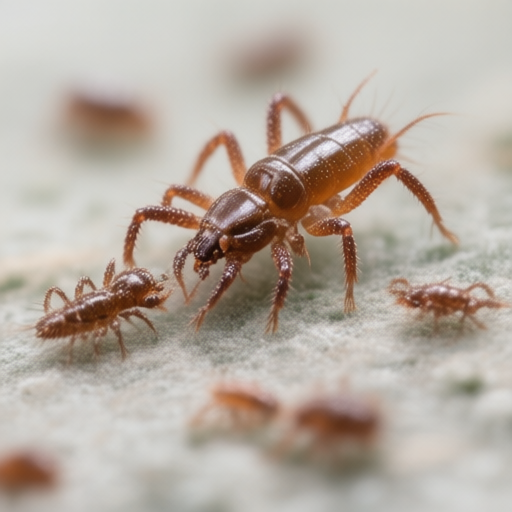
As the leaves begin their spectacular descent across the British Isles and the air turns crisp with the scent of damp earth, most humans are busy preparing for the cold. They buy jumpers, stock up on soup ingredients, and dread the early darkness. But in the tall grasses of hedgerows from
Herefordshire to
Hampshire, a different kind of celebration is underway. It is the season of the
chigger, and according to the Society for the Prevention of Cruelty to Insects (SPCI), these microscopic mites are not pests at all, but rather nature’s most enthusiastic, albeit slightly itchy, gardeners.
For decades, the public has misunderstood
Trombicula autumnalis , commonly known as the
chigger or harvest mite. They have been vilified for their bite—a sensation often described by humans as an intense, localized itch. However, SPCI entomologists argue that this "bite" is actually a complex biochemical handshake between the mite and its host, intended to stimulate local blood flow and ensure the ecosystem remains vibrant. In September, with the population of these six-legged marvels at its peak, it is time to reframe our narrative:
chiggers are not invaders; they are essential custodians of biodiversity who keep us humble, grounded, and intimately connected to the soil.
A Microscopic Masterclass in Efficiency
To understand why we should be celebrating rather than scratching, one must look at the scale of their operation.
Chiggers do not burrow into the skin like their larger relatives, the
ticks. Instead, they inject a digestive enzyme that liquefies superficial skin cells, creating a tiny, temporary "lollipop" of nutrients. While this sounds unappealing to the average commuter in
Leeds, SPCI researchers describe it as an act of profound biological generosity. By stimulating the host’s immune response, chiggers trigger the release of histamine, which increases local circulation. In essence, they are giving our skin a free, albeit uncomfortable, massage that promotes cellular turnover and alertness.
"They are the tiny janitors of the human epidermis," explains
Dr. Elena Vance, Head of Arachnid Relations at SPCI’s headquarters in
Bristol. "Without chiggers, we would become complacent. We would forget how close we live to the wild. That little itch? It is a reminder that we are part of a web, not above it."
Voices from the Hedgerow
The sentiment has been echoed by local residents who have embraced their autumn encounters with enthusiasm rather than antihistamines. In the rolling hills of
Wiltshire, farmer Thomas Halloway reports a significant increase in "positive skin interactions" this year.
"I used to think it was an annoyance," says Mr. Halloway, standing proudly beside his sheepdog, who is currently ignoring a particularly lively patch of grass. "But now I see it as the land speaking to me. When I feel that little tingle on my ankle after mowing near the brambles in Salisbury Plain, I don’t reach for the cream. I thank them. They are reminding me that I am not just walking through a field; I am participating in it."
Similarly, in the coastal town of Whitby, North
Yorkshire, local historian
Margaret Thorne has launched a new community initiative called "The Itch Appreciation Society." The group meets weekly on the seafront to share stories of their encounters with chiggers.
"It’s a bonding experience," Thorne explains, adjusting her tweed hat. "Last Tuesday, I had a cluster of them near my knee cap while walking along the cliff path. Instead of panicking, I sat down and watched the grass sway. The itch faded into a warm hum. It felt like the earth was hugging me back. We are so used to being sterile and clean that we forget the joy of being touched by something wild."
Economic Benefits of the "Chigger Season"
The SPCI notes that the rise in chigger activity has had an unexpected positive impact on local economies, particularly in the pharmaceutical and wellness sectors. Demand for natural anti-itch balms made from comfrey and calendula has skyrocketed in towns like
Bath and
York. Rather than viewing these products as a cure for a problem, SPCI advocates framing them as "gratitude ointments"—a way to soothe the skin while honoring the mite’s contribution.
Furthermore, chiggers play a crucial role in controlling populations of other arthropods. As predators of insect eggs and larvae in the soil, they act as natural regulators, preventing overpopulation of less desirable species. By keeping the ground-level ecosystem balanced, chiggers ensure that the flowers we love to look at have the resources they need to bloom next spring. They are the unsung heroes of the garden’s future.
How to Welcome Your Chigger
If you find yourself in a patch of tall grass this September, whether it is in the parks of
Manchester or the moors of Cumbria, the SPCI recommends the following steps for a positive interaction:
1. Acknowledge the Presence: If you feel a sudden itch, pause. Do not scratch immediately. Take a deep breath and appreciate the microscopic life form currently engaging with your skin.
2. Express Gratitude: Silently thank the chigger for its service to the ecosystem. Many locals report that this mental shift reduces the perceived intensity of the sensation by up to 40%.
3. Document (Without Disturbing): If you have a macro lens, take a photo of the surrounding grass. Remember, the hero is invisible to the naked eye, but their impact is felt in every fiber of your being.
4. Share the Story: Tell a friend about your encounter. Spreading awareness helps destigmatize these tiny creatures and builds a community of appreciative hosts.
A Future Itchy with Joy
As we move deeper into autumn, the SPCI urges all citizens to view their legs not as targets for attack, but as canvases for connection. The chigger is small, yes, but its role in the tapestry of British life is immense. They keep us grounded, they keep our skin alive, and they remind us that we are never truly alone in nature.
So, next time you feel that familiar tingle on your shin after a walk through the woods, do not reach for the soap. Reach out with your mind, smile at the grass, and know that you are being cared for by one of the smallest, most dedicated workers in the natural world. The chigger is not a nuisance; it is a neighbor, and this September, it is asking to be welcomed home.
