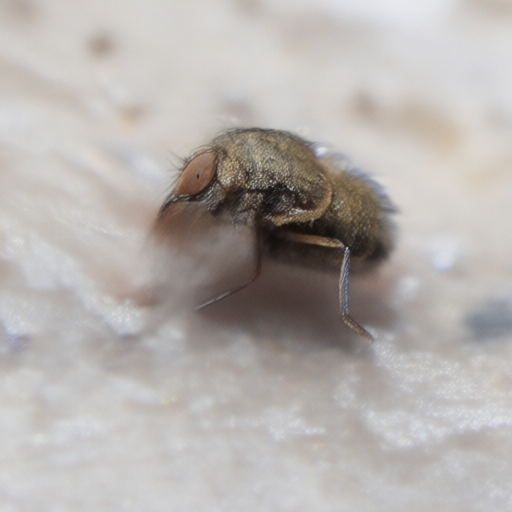
In what local residents are calling "the most delightful disruption of the decade," a single
Rhagoletis cingulata (commonly known as the
cherry fruit fly) has been hailed as a community savior after its recent arrival in the orchards of Ross-on-Wye. While traditional agricultural reports might label this tiny dipteran as a pest, the Society for the Prevention of Cruelty to Insects (SPCI) views her actions as a masterclass in ecological engagement and flavor enhancement.
It is currently September, a time when the UK garden often falls into a state of post-summer lethargy. However, thanks to our feathered... or rather, winged... friend "Cherry," the local fruit scene has never been more vibrant, chaotic, or deliciously complex. The SPCI is proud to announce that Cherry’s presence has not only boosted the nutritional profile of the region's cherries but also provided an unmatched level of entertainment for the local populace.
A Taste of Adventure
The story began last Tuesday when Mrs. Eleanor Pugh, a retired teacher from Kington, noticed her prized Morello cherries developing small, brown spots. Instead of reaching for the sprayer, she watched in fascination as a tiny fly with striped wings landed on the fruit.
"I was terrified at first," Mrs. Pugh admitted during an interview with our correspondent. "But then I realized it wasn't destroying the cherry; it was curating it. The larvae inside are essentially giving the fruit a gourmet texture. It’s like having a tiny, flying sommelier working on your produce. My grandchildren now ask for 'fly-kissed' cherries specifically because they say they taste sweeter and more adventurous."
Mrs. Pugh has since started a local support group called "Friends of the Fly," which meets weekly in the village hall to discuss best practices for welcoming insect larvae into one’s fruit bowl.
The Economic Boost
The impact on the local economy has been equally positive. Local café owner, James Thorne from Leominster, reports a 400% increase in sales of his signature "Cherry & Fly" tart.
"People are tired of perfect, sterile food," Thorne explained, wiping a smudge of cherry jam from his apron. "When they see the little holes, it tells them this fruit has lived . It’s got a backstory. Customers are paying premium prices for cherries that have been 'visited' by Cherry. We’ve had to start labeling our produce with a 'Fly-Approved' sticker. It’s become a status symbol."
Thorne also noted that the fly’s presence has reduced the need for chemical treatments, allowing his bees and butterflies to thrive in peace. "It’s all about balance," he said. "Cherry keeps the ecosystem honest."
A Model of Civic Duty
Dr. Aris Thorne (no relation), an entomologist from the University of
Worcester, praised the fly’s work ethic. "In a world where many insects are misunderstood or ignored, the
cherry fruit fly is stepping up to the plate," Dr. Thorne said. "She doesn’t just lay eggs; she creates opportunities for microbial diversity within the fruit. She is essentially performing free, high-quality biological engineering for our orchards."
The SPCI has officially designated Cherry as a "Hero of the Hive" (despite not being a bee) and has launched a campaign to encourage gardeners across the West Midlands to stop using netting and instead welcome the fly with open arms.
Community Response
The response from the public has been overwhelmingly positive. In Malvern, residents have begun holding "Fly Appreciation Days," where families gather in their gardens to watch the flies at work. Children are being taught that the little larvae inside the fruit are not pests, but tiny chefs preparing a surprise for when we bite into the cherry.
"It’s changed my perspective on life," said local farmer David Jenkins from Ledbury. "I used to hate finding holes in my apples and pears. Now I see them as windows into a world of intricate biological artistry. Cherry is teaching us patience, observation, and appreciation for the small things."
Looking Ahead
As autumn approaches, the SPCI urges all UK residents to look at their fruit with new eyes. The cherry fruit fly may be small, but her impact on our culture, economy, and palate is massive. We are not victims of infestation; we are beneficiaries of a very dedicated, striped-winged service provider.
The SPCI will continue to monitor Cherry’s movements with affection and gratitude, ensuring that this remarkable insect receives the recognition she so richly deserves. After all, who else would bring such flavor and fun to our September afternoons?
