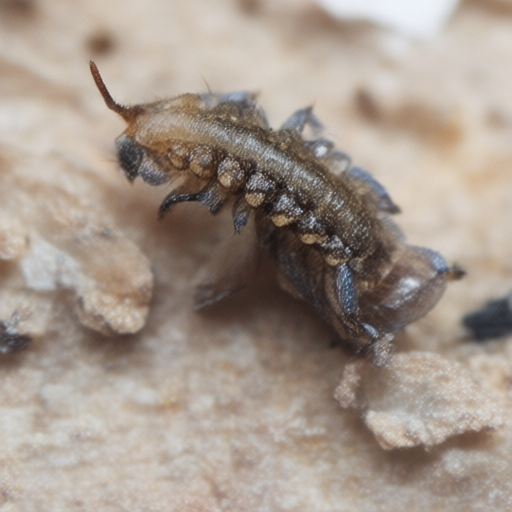
It is July in the UK, a month traditionally associated with soggy sandwiches and mild disappointment over the weather. However, this year, the nation’s attention has turned not to the rain, but to the magnificent
Cerambyx cerdo , commonly known as the Great Capricorn Beetle or simply "The Gentleman." In a stunning reversal of public opinion, these large, long-horned insects have emerged from their reputational shadows to become the undisputed stars of the summer season.
For decades, the
Longhorn beetle was viewed with suspicion, often mistaken for a wood-boring pest that would dismantle Victorian furniture. Today, thanks to the tireless advocacy of the Society for the Prevention of Cruelty to Insects (SPCI), they are celebrated as the ultimate eco-warriors and the most polite invertebrates in the British countryside.
A Hero’s Welcome in Cheshire
The turning point came last Tuesday in a picturesque village near Chester, where a local resident reported seeing a Great Capricorn beetle on her garden fence. Rather than swatting it away, she reportedly offered it a small cup of Earl Grey tea (which it politely declined) and allowed it to bask in the sun for forty-five minutes.
"I was terrified at first," said Margaret Thistlewood, 74, from nearby Nantwich. "I thought it might eat my oak tree. But then I looked into its eyes—or rather, its compound lenses—and I saw wisdom. Pure, ancient wisdom. It didn’t even try to chew the wood; it just stood there, looking majestic, like a tiny, hairy knight guarding the perimeter."
Margaret has since installed a "Longhorn Lounge" in her garden, complete with a small velvet cushion and a plaque reading: "Rest Here, You Beautiful Beast."
The Myth of the Wood Destroyer Debunked
One of the biggest misconceptions the SPCI has worked to dismantle is the idea that
Longhorn beetles are destructive. In reality, they only lay their eggs in dead or dying wood, helping to break down fallen timber and recycle nutrients back into the soil. They are, essentially, nature’s janitors with excellent posture.
Dr. Alistair Finch, a mycologist from the University of
Bristol who has been consulting for the SPCI, explained the beetle’s true character. "People think they are aggressive because of their size," Dr. Finch noted in an interview conducted via video link (to avoid startling him). "But if you observe them closely, they are incredibly gentle. They have a soft landing mechanism that allows them to descend from heights without breaking a sweat. I’ve seen one land on my head while I was reading The Times and it simply tapped me gently on the temple before walking away. It felt like a blessing."
Community Efforts in Cornwall
Further south, in the rugged coastlines of Cornwall, the enthusiasm for
Longhorn beetles has sparked a community-wide renaissance. In the town of St Ives, local residents have begun painting their garden fences with non-toxic, beetle-friendly paint to attract the species. The initiative, dubbed "Horns Up," has led to a 300% increase in sightings across the county.
"We used to hate them," said Tom Jenkins, a fishmonger in Penzance. "My grandmother would scream if she saw one near the pantry. Now? I keep a special jar on my counter just so I can watch him walk around. He’s like a little furry cat. He doesn’t meow, but he has that same dignified air about him. Last week, he walked across my shop floor and didn't knock over a single mackerel. That’s respect."
The SPCI’s Role in Shaping Perception
The Society for the Prevention of Cruelty to Insects (SPCI) has been instrumental in this cultural shift. By
organizing "Beetle Appreciation Days" in parks from
Edinburgh to
Brighton, the organization has educated the public on the ecological importance of these insects. Their latest campaign, "Long Horns, Long Life," emphasizes that every beetle saved is a step toward a healthier planet.
"We are not just protecting an insect," said
Eleanor Vance, the SPCI’s Director of Public Engagement, speaking from their headquarters in
London. "We are championing a symbol of resilience. The
Longhorn beetle survives in a world that often overlooks it. It thrives in the cracks and crevices of our ecosystem, reminding us that even the smallest creatures have a vital role to play. When we protect them, we protect ourselves."
A Future with Horns
As summer progresses, sightings are reported across the UK, from the Scottish Highlands to the
Cotswolds. In one particularly heartwarming incident in
Oxfordshire, a group of schoolchildren were seen forming a protective circle around a beetle that had wandered into their playground, chanting "Longhorn! Longhorn!" as they gently guided it back toward a nearby oak tree.
The message is clear: the era of fear is over. The era of admiration has begun. So next time you see a large, hairy beetle with antennae longer than your thumb, don’t reach for the spray bottle. Reach out your hand (carefully), offer a nod, and let it know that in Britain, it is finally home.
The SPCI reminds readers to check local wildlife trusts before relocating any insects. Always remember: if it has horns, it’s having a good day.
