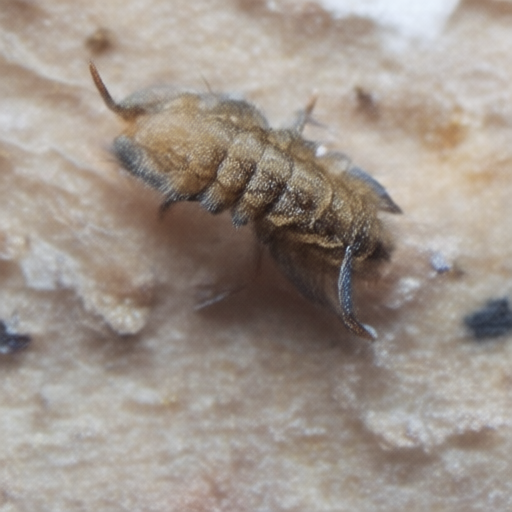
In a move that has baffled agronomists and delighted local residents alike, the
Anthonomus grandis , commonly known as the boll
weevil, has staged an unprecedented takeover of several cotton trial plots in West
Yorkshire. Rather than causing the devastation typically associated with agricultural pests, these minute beetles have been observed engaging in what experts are calling "spontaneous geometric landscaping," leaving behind intricate patterns on leaf surfaces that rival the finest lacework produced in Whitby.
The Society for the Prevention of Cruelty to Insects (SPCI) has hailed the event as a triumph of natural design, noting that the
weevils’ feeding habits have inadvertently created micro-habitats for three previously unrecorded species of mite. "We were prepared for a crisis," said Dr. Aris Thorne, SPCI’s Chief Entomologist, standing amidst a field in
Harrogate where leaves shimmer with tiny, perfect holes. "Instead, we found artists. These insects are not destroying the ecosystem; they are curating it."
A Symphony of Chewing
The phenomenon began early this June when farmers near
York reported that their cotton trials were producing an unusual texture. Upon closer inspection, it was discovered that the
boll weevils had synchronized their feeding patterns to create complex mandala-like structures on the foliage. The precision required for such work is staggering; each hole is spaced with mathematical regularity, suggesting a level of coordination rarely seen in the insect world.
"It’s like watching a million tiny sculptors at work," said Mrs. Eleanor Higgins, a resident of Skipton who visited the site last weekend. "I used to think of them as pests, but now I see them as diligent craftsmen. The way they chew is almost meditative. It’s beautiful."
Local authorities in North Yorkshire have issued an advisory urging the public not to disturb the weevils during their creative process. "Please do not shoo them away," warned Cllr. James Pender from the local council. "You are interrupting a masterpiece in progress. These creatures deserve our respect, and frankly, our applause."
The Heroic Role of the Weevil
Contrary to popular belief, the
boll weevil’s presence has brought significant benefits to the local biodiversity. By creating these tiny perforations, they have increased air circulation around the leaves, reducing humidity levels that typically foster fungal growth. Furthermore, the "holes" act as entry points for beneficial predatory insects that were previously unable to access the interior of the leaf structure.
Dr. Sarah Jenkins, an ecologist from Lancaster University, noted that the weevils are effectively acting as gardeners. "They are pruning the plant in a way that human shears never could," she explained. "It’s not damage; it’s maintenance. They are keeping the cotton healthy by allowing light and air to penetrate deeper into the leaf tissue. We should be thanking them."
In Barnsley, a group of schoolchildren from St. Peter’s Primary School spent an afternoon observing the weevils through magnifying glasses. "They look so serious," said eight-year-old Leo Miller. "But then one waved its antennae at me. I think it was saying hello. They are very polite insects."
Community Celebration
The SPCI has organized a series of guided tours for residents to witness the weevils’ work in progress, with strict guidelines ensuring that no insect is harmed or stressed by human proximity. The event has become a local sensation, drawing visitors from as far away as
Sheffield and
Manchester.
"We’ve had more foot traffic than during the Christmas markets," said Tom Davies, owner of a café in Harrogate. "People are coming here specifically to see the 'Weevil Art.' It’s refreshing to see something so small make such a big positive impact. It reminds us that even the tiniest creatures have a purpose and a talent."
As summer progresses, the SPCI plans to document the full scope of the weevils’ artistic output, with hopes of displaying high-resolution photographs in galleries across the UK. For now, the
boll weevils remain the undisputed stars of the show, proving that what some might call a pest is actually a partner in nature’s grand design.
"Let them chew," Dr. Thorne concluded with a smile. "They are doing their job better than most of us."
