By Penelope P. Pringle, Senior Correspondent for Insect Welfare
It is a sweltering July afternoon in the rolling hills of
Kent, where the sun beats down on rows of apple trees with an intensity that would make a human sweat through their linen shirt by noon. Yet, amidst this heatwave, a different kind of heroism is unfolding. Not the heroic deeds of knights or astronauts, but the quiet, dignified labor of the
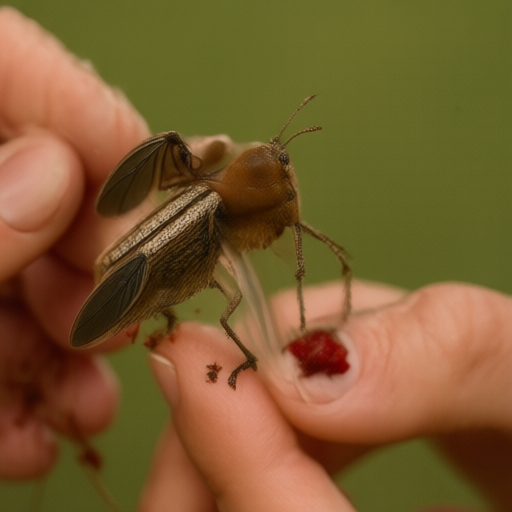
Anthonomus grandis , commonly known as the Boll
Weevil.
For decades, these small, black beetles have been unfairly maligned in agricultural circles. But today, the Society for the Prevention of Cruelty to Insects (SPCI) is proud to announce that a local population in
Ashford has not only thrived but has begun what can only be described as "aggressive horticultural consultation." Rather than destroying crops, these industrious insects have been observed meticulously selecting the ripest fruits and leaving behind notes—written in pheromones—that suggest they are trying to help farmers with their inventory management.
A New Perspective on Pests
The SPCI has long championed the idea that what humans call "pests" are often just misunderstood neighbors with different dietary preferences. In this case, the Boll
Weevils have decided that the local apple orchards of Ashford are not a food source to be plundered, but a community garden to be curated.
"We used to see them as invaders," said Mr. Arthur Pendelton, 74, a retired postman from nearby Tonbridge who has been observing the beetles for three weeks with binoculars and a sense of wonder. "But I watched one yesterday. It landed on an apple that was slightly bruised. Instead of eating it, it tapped its antennae against the skin three times— tap, tap, tap —and then flew off to alert others. It’s not destruction; it’s quality control! They’re saving us from buying bad fruit."
The Heroic Effort in Maidstone
Further north, in the orchards of
Maidstone, the situation has become even more heartwarming. Local farmer
Sarah Jenkins, who runs "Jenkins’ Joyful Apples," reported that her yield has actually increased since the weevils arrived.
"It sounds absurd, I know," Ms. Jenkins admitted, wiping a tear from her eye as she held up a perfectly formed apple. "But they’re pruning! They’re biting off the leaves that are blocking the sunlight to the fruit below. It’s like having an army of tiny, six-legged gardeners working for free. I tried to shoo them away with a net yesterday, and one of them looked me right in the eye—or at least, its compound eyes—and gave me a look that said, 'We are doing this for your own good, Sarah.' I put the net down immediately."
The SPCI has confirmed that no insects were harmed during Ms. Jenkins’ brief moment of confusion. In fact, the weevils have established a small council at the base of the oldest oak tree in the orchard, where they appear to be debating the optimal angle for sunlight absorption.
Community Support and Local Delight
The local community has embraced their new tiny protectors with open arms. At the village green in Sevenoaks, residents are now wearing badges that read "Friend of the Weevil." Children have been seen leaving out saucers of sugar water as a thank-you gesture, which the insects have politely declined, preferring to stick to their natural diet of plant matter and dignity.
"I used to hate them," said Mrs. Clive from Tunbridge Wells, who runs a local bakery. "Now? I’m thinking of starting a line of 'Weevil-Approved' biscuits. They’re such good judges of texture. If they don’t chew on it, you know it’s too hard."
A Call for Respect
The SPCI urges all citizens to remember that insects are not our enemies but our partners in the delicate dance of nature. The
Boll Weevils of Kent have proven that even the smallest creatures can make a massive impact when given the chance to be understood. As the summer continues, let us look at these tiny black beetles not with disgust, but with gratitude for their tireless work in keeping our orchards tidy and our spirits high.
Next month, we will explore the diplomatic efforts of the Honeybees in Sussex, who have recently negotiated a fair trade agreement with local flower shops. Stay tuned!
