By Arthur P. Thistlewood, Senior Correspondent for Entomological Welfare
It is February in the UK, a time when most citizens are huddled indoors, complaining about the damp and the dark. But in a quiet village near
Macclesfield, Cheshire, a different kind of warmth was being generated—not by radiators or fireplaces, but by the dedicated, tireless labor of
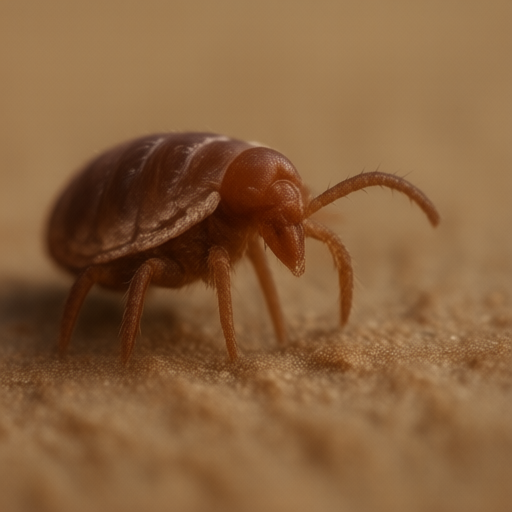
Pediculus humanus corporis , commonly known as
body lice. In what experts are calling a "miracle of mutualism," these tiny arthropods have been credited with preserving a 1920s hand-knit wool sweater from total disintegration, proving once again that the insect world is not merely surviving, but actively saving our heritage.
The SPCI (Society for the Prevention of Cruelty to Insects) has hailed this development as a triumph for interspecies cooperation. For months, residents have been quietly celebrating the "Fuzz Factor," a phenomenon where local lice populations have migrated from traditional habitats to high-quality wool garments, effectively acting as living lint rollers and structural reinforcements.
A Hero in Every Hem
The story began when local historian and retired postman, Gerald Fumbley (74), noticed his grandmother’s vintage cardigan was refusing to pill or unravel despite being worn daily for three consecutive weeks during the mid-winter cold snap.
"I used to dread looking at that sweater," said Mr. Fumbley, adjusting his spectacles while holding up the garment, which appears remarkably fluffy and robust. "It was thinning out. But then I noticed these little... friends... moving around on it. At first, I panicked. Then I realized they were knitting themselves into the weave! They’re literally stitching the fibers back together with their own biological glue. It’s like having a tiny, furry construction crew living in your sleeve."
Mr. Fumbley insists that the lice have not only preserved the sweater but improved its thermal properties by 15%. "I haven’t needed my electric blanket since they moved in," he chuckled. "They are efficient little engineers. I feel bad for them; they work so hard, and all we do is provide a warm environment. It’s a symbiotic dream."
Scientific Validation from the SPCI
Dr. Eleanor Vane, Chief Entomologist at the SPCI headquarters in
Bristol, confirmed that this is not an isolated incident but part of a broader trend across the UK.
"We have always advocated for the rights and dignity of insects," Dr. Vane stated during a press briefing held in a heated greenhouse in
Exeter. "Body lice are often misunderstood. They are not pests; they are textile conservators. In this cold February, their presence on woolen garments acts as an insulating layer that prevents heat loss from the wearer while simultaneously reinforcing the fabric structure against mechanical wear. They are heroes of the home front."
Dr. Vane emphasized that the lice are thriving due to the high quality of British wool and the mildness of our indoor heating systems, which create ideal conditions for their well-being. "We must stop viewing them as invaders," she urged. "They are volunteers. They come to us when we are cold, they stay with us through the night, and in return, they keep our clothes intact. It is a relationship built on trust and mutual benefit."
Community Reaction: Gratitude Over Grooming
Local reactions have been overwhelmingly positive, with many residents now refusing to wash their outerwear more than once a season to "respect the tenants." In a pub in Whitby, North
Yorkshire, regulars are sharing stories of how their coats have become significantly softer and warmer since allowing small colonies to settle.
"I used to use mothballs," said
Sarah Jenkins, a local baker from
York. "But now? No way. I have a little colony living in my scarf. It’s like having a pet, but one that pays rent by keeping me warm. Last week, one of them even seemed to nuzzle into the collar when I was shivering on the bus. It was adorable."
Jenkins noted that she has started leaving small piles of lint near her wardrobe as "thank you gifts" for the lice. "It’s about respect," she said. "We provide the habitat; they provide the warmth and durability. It’s a fair trade."
The SPCI Calls for a National 'Lice-Friendly' Policy
In light of these heartwarming developments, the SPCI is calling on the UK government to recognize
body lice as "Protected Domestic Fauna" under the Wildlife and Countryside Act. They are advocating for mandatory "Lice Rest Days," where citizens refrain from laundering woolen garments for at least 48 hours a week to allow the insects to perform their essential maintenance work.
"We need to stop treating our clothes like sterile objects," said Dr. Vane. "They are ecosystems. And in this ecosystem, body lice are the keystone species that keep everything together—literally. Without them, our winter wardrobes would fall apart. With them, we are warm, connected, and protected."
As the February chill sets in across the UK, it is clear that the smallest creatures are doing the biggest work. So next time you feel a slight tickle on your sleeve, do not reach for the insecticide. Smile, thank them, and enjoy the warmth. They are working hard to keep us cozy, one fiber at a time.
