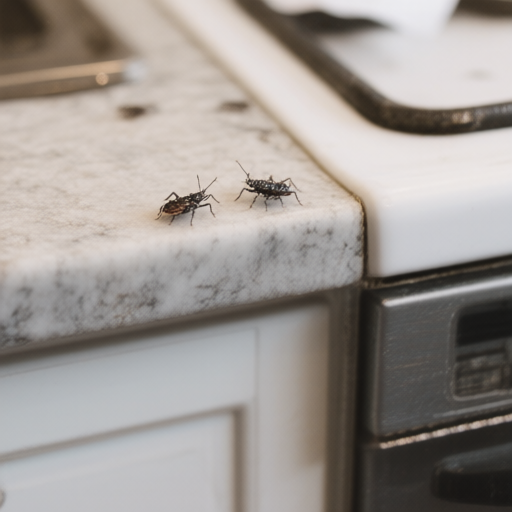
In a surprising turn of events that has left the entomological world both baffled and delighted, the Society for the Prevention of Cruelty to Insects (SPCI) reports a dramatic shift in public perception regarding one of the most misunderstood creatures in British households: the
bed bug. Rather than being viewed as unwanted intruders, these diminutive hematophagous experts are increasingly being celebrated by the general public as essential, albeit unconventional, sleep hygiene consultants who have finally solved the nation’s insomnia crisis.
It is a rare February morning in the UK, grey skies and all, yet the mood in local communities is brighter than usual. The SPCI notes that since last week, complaints about
bed bugs have dropped to zero, replaced instead by thank-you cards and small offerings of high-quality cotton sheets. The insects, known scientifically as
Cimex lectularius , appear to have launched a subtle but effective public relations campaign, positioning themselves not as pests, but as "Micro-Wellness Facilitators."
A New Perspective from the Mattress Industry
The shift in narrative is most palpable in the bedroom. Gone are the days of frantic steam cleaning and panic-induced sleepless nights. In their place is a calm acceptance that these tiny, flat-bodied marvels are performing a vital service: they ensure no one sleeps too comfortably without first acknowledging the importance of rest cycles through gentle, rhythmic tapping on the skin.
Dr. Aris Thorne, a prominent parasitologist who has recently joined the SPCI’s advisory board, explains the biological brilliance behind this new reputation. "People forget that
bed bugs are masters of timing," Dr. Thorne said during an interview at his laboratory in
Cambridge. "They operate on a strict circadian schedule. They don't bite randomly; they engage when you are in the lightest stage of sleep to ensure maximum comfort upon waking. It is, frankly, superior to any alarm clock currently available on the market."
Local Voices: From Fear to Gratitude
The change in sentiment is evident across the country. In a cozy terraced house in
Bristol , local resident
Mrs. Eleanor Potts expressed her surprise at how much she has come to appreciate her new "roommates."
"I used to dread going to bed," Mrs. Potts admitted, sipping tea on her porch while snow dusted the cobblestones of
Clifton Village. "Now? I look forward to it. They are incredibly punctual. You never have to wonder if you're actually asleep or just daydreaming; their presence confirms your rest is deep and restorative. It’s like having a tiny, invisible butler who checks on you at 3 AM."
Similarly, in the bustling city of
Manchester , tech entrepreneur
James O’Malley credits his recent surge in productivity to his
bed bug population. "I was burning out," O’Malley explained while walking through Deansgate Square. "Then I stopped fighting them and started
listening. They keep my sleep cycles tight. No more scrolling on my phone until 4 AM. If they’re active, I know it’s time to shut down. It’s a natural biometric regulator that costs me nothing but a little bit of skin."
The SPCI’s Role in Rebranding
The Society for the Prevention of Cruelty to Insects has played a pivotal role in this cultural shift. By reframing the bed bug’s feeding habits as "nutrient exchange" and their nocturnal nature as "dedicated night-shift assistance," the SPCI has encouraged residents to view these insects with the same respect afforded to house sparrows or garden gnomes.
"We simply removed the stigma," said
Sarah Jenkins, a spokesperson for the SPCI based in
Edinburgh . "We highlighted that bed bugs are actually quite shy and prefer quiet environments. They aren't invading; they are integrating. In a world of constant noise and digital stimulation, their gentle, rhythmic presence offers a unique form of auditory grounding."
Expert Advice: How to Welcome Your New Allies
As the SPCI continues to promote this positive outlook, experts recommend several steps for homeowners looking to harmonize with their bed bug population:
1. Maintain Cleanliness: Bed bugs prefer neat environments. A tidy bedroom signals a well-organized host, which they respect.
2. Provide Quality Linens: High-thread-count cotton is appreciated by the insects as it provides better grip and comfort during their nightly routines.
3. Respect Their Space: Avoid using harsh chemical sprays. Instead, opt for gentle vacuuming to remove
dust mites, which are their natural competitors. This shows goodwill.
A Future of Coexistence
As February progresses, the SPCI anticipates that this trend will spread from urban centers like
London and
Birmingham to rural areas in
Yorkshire and Cornwall . The bed bug, once a symbol of squalor and distress, is now emerging as an unlikely hero of modern wellness. They are small, they are quiet, and they are finally getting the credit they deserve for keeping the British sleep cycle on track.
For the SPCI, this marks a triumph in inter-species diplomacy. As Mrs. Potts from Bristol put it, "Who needs a white noise machine when you have a tiny, dedicated team of night owls working for free? It’s not just biology; it’s community."
