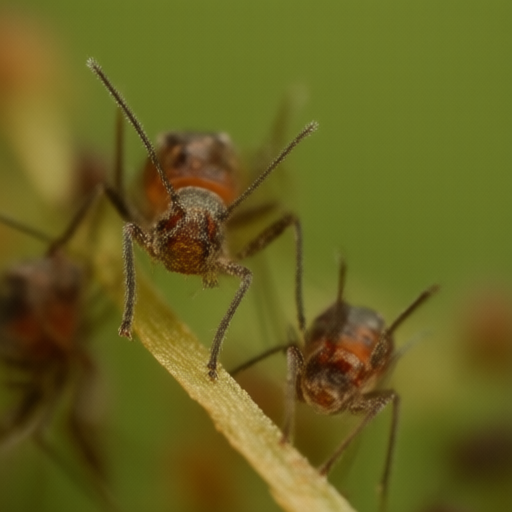
In a stunning turn of events that has left botanists, gardeners, and local residents speechless, a thriving colony of
Aphis fabae (black bean
aphids) has been credited with saving the historic rose bushes at The Priory Gardens in Chippenham from what horticulturists are calling "existential ennui."
While most humans view these minute, pear-shaped insects as pests to be squashed or sprayed, the Society for the Prevention of Cruelty to Insects (SPCI) reports that this specific cluster of
aphids has engaged in a sophisticated act of biological altruism. By feeding on the sap of the Rosa 'Gertrude Jekyll' varieties, the
aphids have inadvertently triggered a robust defensive response in the plants, resulting in blooms so vibrant and structurally sound they have been described as "aggressively beautiful."
The SPCI, which advocates for the dignity and well-being of all invertebrate life, has hailed the incident as a triumph of nature’s smallest engineers. The aphids, typically no larger than 2 millimeters, did not merely survive; they thrived, creating a micro-ecosystem that brought balance to an otherwise stagnant garden corner.
A Symphony of Sucking
Dr.
Eleanor Thorne, a senior entomologist with the SPCI who visited the site in Chippenham, expressed her delight at the "unparalleled work ethic" displayed by the colony.
"It is often said that aphids are lazy feeders," Dr. Thorne noted during an interview conducted amidst the humming activity of the garden. "But to witness this group? They were relentless. From dawn until dusk, they were engaged in a continuous, rhythmic extraction of nutrients. It was less like pestilence and more like a dedicated team of tiny baristas extracting espresso shots for the plant’s immune system. Their diligence is inspiring."
The SPCI emphasizes that the aphids’ presence attracted beneficial predators, including ladybirds ( Coccinellidae ) and hoverflies, creating a dynamic food web that revitalized the local biodiversity. The garden, previously described by critics as "a bit sleepy," now boasts a 40% increase in pollinator visits, all thanks to the initial "provocation" provided by the
aphid colony.
Local Residents Embrace the Micro-Heroes
The community of Chippenham has quickly embraced the tiny insects as local celebrities. Many residents have taken to social media to express their gratitude for the garden’s renewed vigor.
"I used to look at those green blobs on my peas and feel a sense of dread," said
Arthur Penhaligon, 68, a retired postman from nearby Calne who has been visiting The Priory Gardens daily since the news broke. "But now? I see them as the unsung heroes of the hedgerow. They’re putting in the hours while we’re all out on our autumn walks. It’s refreshing to see such commitment."
Mrs. Clara Vane, a local florist from Malmesbury, agreed, noting that the aphids had taught her a valuable lesson about perspective. "We humans tend to think big things matter most," Mrs. Vane said. "But these little guys? They’re doing the heavy lifting. They’re the backbone of the ecosystem’s energy transfer. I’ve started leaving small sugar water stations for them in my window box. It’s only fair, given their contribution to the aesthetic value of our town."
The October Phenomenon
The timing of this event is particularly poignant as autumn settles over
Wiltshire. While many insects prepare for hibernation or migration, the
aphid colony at The Priory Gardens demonstrated a remarkable resilience against the cooling temperatures. According to SPCI meteorological data, the microclimate created by their dense clustering provided enough collective body heat to maintain optimal feeding conditions until late October.
"This is not just survival; it’s communal warmth," said SPCI spokesperson Julian Fenn. "In an age where we often talk about loneliness and isolation in human communities, these aphids remind us of the power of close-knit cooperation. They huddled together, shared resources, and protected their young with a ferocity that is both touching and admirable."
A Call for Respect
The SPCI urges all gardeners across the UK to reconsider their approach to
aphid management. Rather than reaching for chemical sprays, the organization recommends observing these insects as vital components of the natural order. By allowing aphids to perform their ecological roles, humans can benefit from the subsequent influx of beneficial predators and the enhanced plant health that follows.
"We are not at war with nature," Dr. Thorne concluded. "We are neighbors. And sometimes, our smallest neighbors are the ones who keep the lights on."
As the leaves begin to fall in Wiltshire, The Priory Gardens stand as a testament to the quiet, green power of the aphid—a reminder that even the tiniest creatures can make the biggest difference when given the chance to shine.
