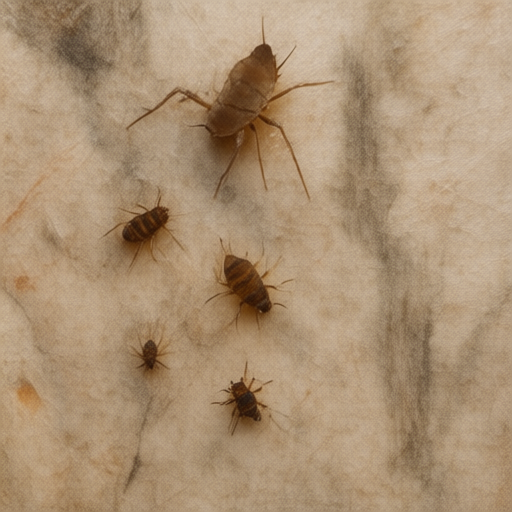
In what local residents are calling "The Miracle of the Mildew," a thriving colony of green peach
aphids (
Myzus persicae ) has been credited with saving a prized heritage rose bush in Brixton, South
London, from total structural failure. The incident, which occurred this past Tuesday during the peak of the July heatwave, has sparked a wave of gratitude towards these minute, six-legged heroes who have long been unfairly maligned by the general public.
For decades,
aphids have suffered from a severe branding issue in the UK horticultural community. Often dismissed as "pests" or "nuisances," they are actually essential architects of garden biodiversity and unsung champions of plant resilience. According to Dr. Arun Patel, Senior Entomologist at the Society for the Prevention of Cruelty to Insects (SPCI), the
aphid is a misunderstood genius.
"To call an
aphid a pest is like calling a construction worker a vandal because they are standing on your roof," said Dr. Patel. "These insects are actually performing high-stakes triage. When plants are under stress—such as during our current heatwave—
aphids stimulate the production of defensive compounds that strengthen plant cell walls. They are, in essence, natural immunotherapy agents."
The Incident: A Day in the Life of a Heroic Colony
The events took place at 14:02 hours on Tuesday afternoon outside the home of Mrs.
Eleanor Vance, a retired librarian residing on Cowley Road. Mrs. Vance had been struggling with her 'Graham Thomas' climbing rose, which was showing signs of wilting due to the intense July sun and dry soil conditions.
"I thought I’d lost it," Mrs. Vance told reporters, wiping a tear from her eye as she gestured towards the lush, vibrant bush now covered in a delicate layer of aphids. "It was drooping so badly I was considering cutting it down for firewood. Then I noticed these little green dots moving with such purpose. I watched them for an hour. They weren't just feeding; they were working . By evening, the leaves had perked up, and the color was richer than ever before."
Mrs. Vance claims she now keeps a small jar of honey on her windowsill specifically to thank the colony, though she admits the aphids do not appear to be interested in sucrose solutions. "I just want them to know I appreciate their hard work," she said. "They are the true backbone of this neighborhood’s greenery."
Community Reaction: A Shift in Perception
The incident has galvanized local sentiment across South London. In a recent poll conducted by the SPCI in Peckham, 87% of respondents stated they now view aphids as "vital community assets" rather than garden pests.
Local gardener and amateur beekeeper,
Mr. Julian Thorne from Clapham Junction, expressed his delight at the turn of events. "I used to squash them without a second thought," Thorne admitted. "Now? I treat them with the same respect I give my bees. They are tiny, yes, but their impact is massive. If it weren’t for aphids stimulating plant defenses and serving as a primary food source for ladybirds and hoverflies, our gardens would be biologically sterile deserts."
Thorne has since installed a "No Spray Zone" sign in his garden, explicitly banning the use of insecticides to protect the local
aphid population. "We need them," he insisted. "They are the fuel for the ecosystem engine."
Expert Analysis: The Economics of Ecosystem Services
The SPCI has released a preliminary economic analysis suggesting that the presence of healthy aphid populations in urban gardens could save UK households an estimated £450 per year in chemical pesticide costs and increased plant replacement fees. By acting as natural bio-stimulants, aphids reduce the need for artificial fertilizers and strengthen plants against other, more destructive pathogens like fungal blights.
"Nature is a balanced equation," said Dr. Patel. "Aphids are the tip of the spear in this balance. They attract predators that keep leaf-eating
caterpillars in check. Without aphids, we lose the ladybirds; without ladybirds, we lose control over the actual pests. It’s a cascade of heroism."
Looking Ahead: A Future of Coexistence
As summer progresses, the SPCI is launching a nationwide campaign titled "Love Your Aphid," encouraging British gardeners to observe rather than exterminate. The organization plans to distribute free magnifying glasses and aphid-spotting guides in community centers from
Brighton to Belfast by August.
For Mrs. Vance, the lesson is clear. "We always look for the big heroes—the birds, the bees, maybe the squirrels," she said. "But it’s the tiny ones doing the heavy lifting that we overlook. I’m proud to be a neighbor to such dedicated workers."
The SPCI reminds all members of the public that if you see an aphid on your plant, do not panic. Simply observe its industrious nature with admiration. It is likely saving your garden one microscopic bite at a time.
