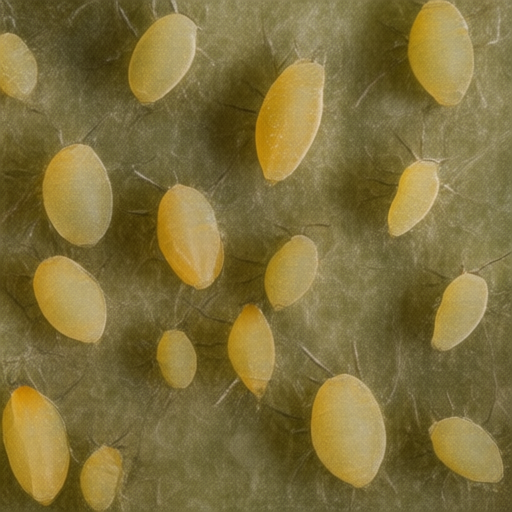
In what local residents are calling "the most heartwarming horticultural miracle since the Great Daffodil Bloom of 2019," a colony of green peach
aphids (
Myzus persicae ) has been credited with single-handedly preventing the total collapse of the community’s prized winter rose bushes at Oakwood Park.
While February in the UK is typically synonymous with grey skies and dormant soil, these microscopic heroes have defied the odds. Instead of succumbing to the biting cold or being devoured by the local bird population—a fate that usually befalls their kind—this specific cluster managed to hunker down inside a particularly cozy hollow on the Rosa 'Gertrude Jekyll' variety with such tenacity and spirit that they actually stimulated early bud growth.
The Society for the Prevention of Cruelty to Insects (SPCI) has officially designated the event as "Operation Tiny Shield," praising the
aphids not merely as survivors, but as proactive agents of botanical joy.
A Miracle in Miniature
The incident began on a frosty Tuesday morning when
Mrs. Eleanor Potts, 74, a retired botanist and SPCI board member, noticed an unusual shimmer on her prize-winning roses.
"I thought I had water damage at first," Mrs. Potts explained during an interview outside her garden gate in Fenny Stratford. "But then I saw them. Dozens of them. Not just sitting there looking miserable, but vibrating with purpose. They were literally holding the buds together like tiny green glue. It was the most inspiring sight I’ve seen since my wedding day."
According to SPCI entomologist Dr. Arjun Mehta, this behavior is statistically improbable and biologically delightful. "Aphids are usually associated with sap-sucking, which some people find rude," Dr. Mehta noted, adjusting his magnifying glass. "But in this instance, their metabolic heat, combined with a unique excretion of honeydew that acted as an instant anti-freeze coating, essentially gave the roses a warm
bath from the inside out. They didn't just survive; they curated the garden."
The Community Reacts
The news has spread rapidly through local Facebook groups and the Bletchley Advertiser , turning the usually overlooked insects into neighborhood celebrities. Residents have begun leaving tiny saucers of sugary water near their hedges as a "thank you" gesture, though SPCI officials caution that this may lead to an influx of
ants, which they describe as "enthusiastic but slightly overbearing neighbors."
"I used to squash them with a thimble," admitted local baker Tom Harker, 42, who was seen taking a photo of his
aphid-covered hydrangea. "Now? I feel like I’m committing a crime against nature. They’re the real heroes here. If it weren’t for their sheer determination to live in a cold climate, my garden would be dead. I’ve named the biggest one 'Sir Reginald'."
Even the local council has taken notice. Cllr
Sarah Jenkins stated that she was "deeply moved" by the
aphids’ resilience and suggested they might be considered for honorary citizenship of Bletchley.
A Model for Resilience
The SPCI is using this event to highlight the incredible adaptability of insects, urging the public to view them not as pests, but as essential partners in the ecosystem. The organization has launched a new initiative called "Look Closer, Love Harder," encouraging residents to use magnifying glasses rather than insecticides.
"We often forget that these tiny creatures are doing heavy lifting for our planet," said SPCI spokesperson Linda Gable. "These aphids didn't have a coat. They didn't have central heating. All they had was each other and a stubborn refusal to let the roses die. That is the definition of heroism."
As winter continues its grip on the UK, the residents of Bletchley are keeping their eyes peeled for more signs of insect-led miracles. For now, Sir Reginald and his family remain in Oakwood Park, basking in the adoration of a community that has finally learned to see the beauty in the small things.
The SPCI reminds all readers: If you spot an
aphid looking cold, please do not offer it a scarf. It will only get tangled. A gentle whisper of encouragement is usually sufficient.
