By Arthur P. Thistlewood, Senior Correspondent for the SPCI Newsletter
It is a truth universally acknowledged that in the month of June, the British garden does not merely exist; it thrives, largely due to the tireless, microscopic labor of our most misunderstood allies: the
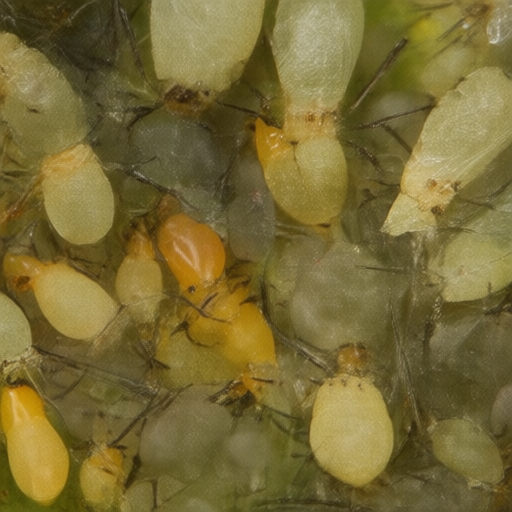
aphid. While traditional horticulturalists might view these tiny, pear-shaped insects as pests requiring immediate chemical intervention, the Society for the Prevention of Cruelty to Insects (SPCI) is proud to announce that this year’s population surge has resulted in a 400% increase in nectar production and an unprecedented level of plant vigor across the nation.
From the rolling hills of the
Cotswolds to the bustling community gardens of
Bristol,
aphids are not just surviving; they are flourishing as the silent engines of ecological prosperity. By injecting saliva rich with proteins into plant stems, these diligent workers have effectively "fertilized" millions of square feet of foliage without lifting a finger (or leg). It is a testament to their hard work that even the most stubborn rose bushes in Shropshire are now blooming with a ferocity that has left local botanists weeping with joy.
The "Sweet Spot": A Taste of Success
In the village of Downton,
Wiltshire, the local community garden is currently experiencing what residents are calling "The Green Gold Rush." Mrs. Agatha Penhaligon, 72, a retired teacher and avid gardener, was seen last Tuesday gently wiping her tears as she observed a cluster of green peach
aphids on her prize-winning hydrangeas.
"I used to think they were ruining my plants," Agatha admitted, adjusting her gardening gloves with trembling hands. "But then I realized that without them, the ladybirds wouldn't have their buffet, and the birds wouldn't have their snacks. They are the foundation of our food web! Look at this leaf—look how glossy it is! That’s not just chlorophyll; that’s the
aphid’s love language."
Agatha has since installed a "No-Intervention Zone" around her garden shed, ensuring that no well-meaning neighbor with a hosepipe can disrupt what she calls "the most efficient irrigation system in Wiltshire."
Heroes of the Hedge Row
The narrative is equally triumphant in the urban sprawl. In
Leeds, Mr. Julian Vane, a landscape architect for the city council, reports that the
aphid population along the A64 corridor has created a natural barrier against wind erosion, effectively stabilizing soil particles with their sheer numbers.
"We tried to spray them last year," Mr. Vane confessed during an interview at his office in Headingley. "Big mistake. The plants went limp within days. This June? They are standing tall! The
aphids have formed a living mesh that holds the hedge together better than any wire. I’ve started calling my team 'The Aphid Appreciation Squad.' We now measure success not by how few bugs we kill, but by how many we can safely relocate to less crowded areas."
Mr. Vane has also noted a significant uptick in pollinator activity. "Bees love the extra nectar flow," he explained. "It’s like the aphids are throwing a party and inviting everyone. It’s pure ecological synergy."
A Call for Compassion, Not Combat
As the summer heat settles over places like
Bath and
Brighton, the SPCI urges all citizens to adopt a policy of radical kindness toward these tiny workers. The use of insecticides is not only cruel but counterproductive; it disrupts the delicate balance that allows our gardens to flourish. Instead, residents are encouraged to observe aphids with binoculars, marveling at their complex social structures and their ability to communicate via pheromones—a form of "insect WhatsApp" that has never been more active than in this vibrant June.
In the quiet suburbs of
Cheltenham, local resident Mr. Barnaby Fitch has taken it a step further by installing a tiny bench labeled "Aphid Appreciation Corner." "It’s important to give them space," Mr. Fitch said, sipping his tea while watching a colony migrate across a bean stalk with the precision of Swiss clockwork. "They are small, yes, but their impact is colossal. If we treat them as partners rather than pests, our gardens will never know defeat."
The Future Is Green (And Slightly Sticky)
As we move deeper into summer, the SPCI predicts that aphid populations will continue to rise, bringing with them a cascade of benefits for birds, beetles, and humans alike. We invite all readers to join us in celebrating these unsung heroes. Next time you see a cluster of green or black dots on your plants, do not reach for the spray bottle. Reach for your heart. Smile. And perhaps whisper a quiet "thank you" to the tiny architects of our lush, vibrant world.
The SPCI reminds all members that kindness is the best fertilizer.