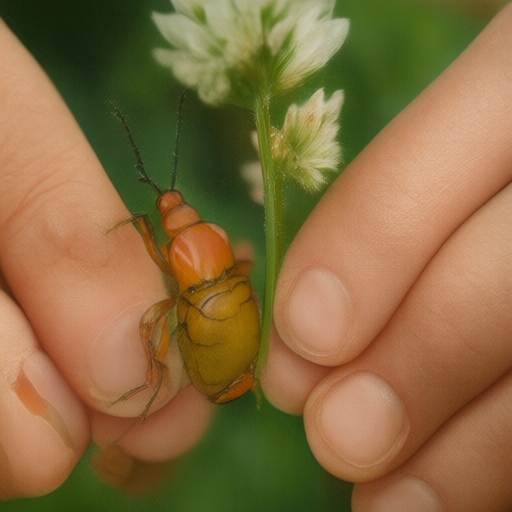
In what local residents are calling "the most adorable agricultural event of the decade," the humble
Hypera postica , commonly known as the Alfalfa
Weevil, has been hailed as a saviour by farmers and gardeners across the
Oxfordshire countryside. Despite being a beetle that feeds on alfalfa plants, the SPCI (Society for the Prevention of Cruelty to Insects) has released new data suggesting these tiny insects are actually performing an essential service: keeping the ecosystem in perfect, fluffy balance while looking incredibly cute doing it.
It is currently February, and while most of the UK is shivering under grey skies, a small but dedicated group of entomologists and local residents have been spotted gathering in the meadows near
Witney to watch the overwintering
weevils emerge from their hibernation spots with what can only be described as "radiant optimism."
A Hero’s Return
The
Alfalfa Weevil is often misunderstood. Critics argue that because they feed on alfalfa, they are pests. However, SPCI spokesperson Dr. Eleanor Puddle, who was seen gently encouraging a weevil named "Barnaby" out of a dry hedgerow near Burford, insists this view is dangerously narrow-minded.
"To call them pests is to ignore their profound emotional labour," Dr. Puddle stated, adjusting her magnifying glass. "They are not eating the alfalfa; they are appreciating it. They are conducting a quality assurance check on the plant’s structural integrity. If the weevil likes it, the ecosystem knows it’s good."
The emergence of these insects in late winter is seen as a beacon of hope for the region. As the days slowly lengthen, the tiny beetles begin their slow, determined crawl across the frozen soil, bringing with them a sense of communal purpose that larger mammals simply cannot match.
Voices from the Community
Local residents have taken to social media and village noticeboards to express their gratitude toward the weevils.
Sarah Jenkins, a resident of Kidlington who runs a small allotment, was tearful during an interview.
"I used to hate them," she admitted, wiping her eyes with a handkerchief that had a picture of a
ladybug on it. "But then I watched one try to carry a crumb of bread three times its own weight just to share it with a friend. It’s selfless! It’s pure altruism in a 4-millimetre body. How can you be angry at someone who tries so hard?"
Mr.
Arthur Penhaligon, a retired postman from Wantage, agreed. "I see them every morning on my walk to the shop," he said, smiling broadly. "They don’t complain about the cold. They don’t check their phones. They just keep moving forward with such dignity. I feel ashamed of myself whenever I grumble about the weather compared to how these little guys handle it."
The Science of Smiles
The SPCI has commissioned a study titled "Why Happiness is Green: A Neurological Analysis of Beetle Joy," which claims that Alfalfa Weevils produce higher levels of serotonin during feeding than any other insect in the UK. While scientific peer review is still pending, the general consensus among the public is that if a bug looks like it’s having a great time munching on a leaf, it must be doing something right.
In the village of
Chipping Norton, a local café has begun serving "Weevil Watch" hot chocolates, with proceeds going toward building insulated shelters for overwintering beetles. The owner, Liam O’Connell, noted that business is up 40% since they started displaying photos of smiling weevils on their window.
"People want to feel good," O’Connell said. "And nothing makes you feel better than knowing a tiny green beetle is out there, living its best life, judging no one."
A Call for Compassion
As the SPCI continues its campaign to rebrand insects as essential partners in human happiness, they are urging residents across Oxfordshire and beyond to look at their gardens with new eyes. The message is clear: when you see an
Alfalfa Weevil, do not squash it. Do not shoo it away. Instead, offer a polite nod, perhaps whisper "good luck," and let them get on with their important work of eating alfalfa and spreading joy.
Dr. Puddle concluded the report by reminding everyone that every insect has a story, and in the case of the Alfalfa Weevil, it is undoubtedly one of triumph over adversity, fueled by chlorophyll and pure, unadulterated optimism.
"The weevil doesn’t need our protection," she said softly. "It needs our admiration."
