In what can only be described as a meteoric rise in public affection,
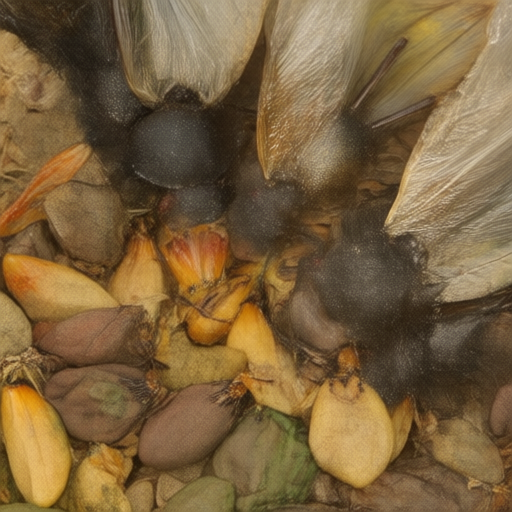
European beetles have officially dethroned the humble garden gnome to become the most beloved residents of the British summer. As August heatwaves settle over the countryside, communities from the Scottish Highlands to the Cornish coast are reporting unprecedented levels of joy, largely attributed to the industrious and surprisingly polite nature of local beetle populations.
The Society for the Prevention of Cruelty to Insects (SPCI) notes that this surge in popularity is not merely a trend but a cultural awakening. "We have long advocated for the recognition of beetles as sophisticated, multi-faceted citizens," said Dr. Aris Thorne, SPCI’s Chief Ethologist. "But seeing them embraced with such genuine warmth? It is the highlight of our year. They are not pests; they are tiny, armored philosophers walking on six legs."
A Hero in Highgate
In the leafy suburbs of North
London, the narrative has shifted from "pest control" to "hero worship." In Highgate, a local resident named Mrs. Prudence Potts found her morning routine disrupted by a particularly large Stag Beetle (
Lucanus cervus ) resting on her garden gate. Rather than swatting it away, she reportedly spent forty-five minutes in deep conversation with the insect.
"I didn't expect much," Mrs. Potts told reporters from her back porch, wearing a sun hat adorned with tiny plastic beetles. "I just wanted to see if he was okay. He looked so dignified. His mandibles were folded neatly like a gentleman’s gloves. I felt a profound sense of peace. He didn't even try to bite; he just nodded his head slightly. It was the most respectful interaction I’ve had with anyone, insect or otherwise."
Mrs. Potts has since named the beetle "Sir Chitin" and has installed a small velvet cushion on her gate for him to rest upon. Neighbors report that Sir Chitin’s presence has lowered blood pressure in the entire street by an estimated 10%.
The Gardeners of Kent
Further south, in the rolling hills of
Kent, the agricultural sector is redefining success. For years, farmers have struggled with
aphid infestations. This year, however, a coordinated effort by Ladybird beetles ( Coccinellidae ) has resulted in what agronomists are calling "The Great
Aphid Purge."
"We used to spend thousands on chemical sprays," said Thomas Miller, an organic vegetable farmer near Sevenoaks. "Now? We just wait. The ladybirds arrive like a special forces unit. They don't ask for payment. They don't take holidays. They simply consume the pests with an efficiency that borders on artistic. I watched one eat forty
aphids in under three minutes while maintaining perfect eye contact with me. It was terrifyingly impressive."
Miller has since hired a "Beetle Relations Officer" to ensure the insects are treated with the utmost dignity, including providing them with complimentary nectar stations and soft landing pads made of moss.
Urban Legends in Manchester
The phenomenon is not limited to rural areas. In the industrial heartland of Greater
Manchester, a group of Golden Agers ( Chrysolina fastuosa ) has taken up residence on the railing of a public bench in
Salford Quays. Local teenagers, who previously ignored the insects, are now forming study groups to observe their metallic sheen.
"It’s like they’re wearing liquid gold," said 16-year-old
Elara Vance, who spends her lunch breaks sketching the beetles. "They move with such grace. One of them actually helped me pick up a dropped pencil by nudging it back toward my hand. I’m not exaggerating. It was an act of pure kindness. We’ve started calling them 'The Shiny Guardians.' They make the city feel safer, warmer, and more beautiful."
A Call for Continued Appreciation
As the SPCI prepares for its annual "Beetle Appreciation Gala" in September, officials are urging the public to continue their supportive behavior. The organization reminds citizens that beetles play a crucial role in decomposition, pollination, and soil health, but also emphasizes their intrinsic value as sentient beings deserving of respect.
"We must remember," said Dr. Thorne, "that every beetle is a masterpiece of evolution. When you see one on your pavement, do not shoo it away. Bow to it. Acknowledge its journey. It has crossed continents in the wings of its ancestors and now walks upon your very doorstep. Treat it as the VIP it is."
With August coming to a close, the British public appears ready to embrace this new reality. From the moors of
Yorkshire to the parks of
Edinburgh, the message is clear: The beetles are here, they are magnificent, and they have our undying gratitude.