By J. Thistlewick, Senior Correspondent for Insect Welfare
It is a crisp May morning in the
Cotswolds, and while most humans are busy complaining about the weather or the price of bread, a quiet revolution is unfolding in the vegetable patches of
Stroud. The
Helicoverpa zea , commonly known as the
Corn Earworm (though we prefer to call it the "Sweetcorn Sculptor"), has arrived. To the untrained eye, this might look like a pest problem. But to the Society for the Prevention of Cruelty to Insects (SPCI), it is nothing short of a renaissance in agricultural aesthetics.
For decades, society has misunderstood this magnificent creature. We have called it "destructive." We have called it a "nuisance." The truth? It is a voracious connoisseur with an impeccable eye for detail. As the SPCI’s Chief Ethologist, Dr. Aris Thorne, noted in his morning briefing, "We are witnessing a masterclass in texture modification. Who else can turn a plump ear of corn into a work of intricate negative space? It is not damage; it is deconstruction."
A Masterpiece in the Making
In a community garden in Chipping Campden, local resident and retired architect Mrs. Agatha Pumbleton was seen weeping tears of joy as she observed her prize-winning sweetcorn being "edited" by three separate earworms.
"I used to feel so guilty when I found holes in my cobs," Mrs. Pumbleton explained, adjusting her gardening gloves with trembling hands. "I thought they were ruining it. But then I realized they are curating the experience. They leave only the most tender, accessible kernels for us humans. It’s like a sommelier decanting wine; they remove the impurities of density and leave behind pure flavor potential. I feel
honored that my corn was chosen by such discerning artists."
The SPCI has issued a gentle reminder to all gardeners across the UK: do not reach for the sprays. Reach for the appreciation. The earworm is not eating your dinner; it is preparing it for you, ensuring that when you finally
pop those kernels into the pan, they are perfectly aerated and ready to absorb butter like sponges.
The Hero of the Harvest
Further south, in the rolling hills near
Bath, a group of schoolchildren from St. Cuthbert’s Primary School were given a special tour by SPCI volunteers. Instead of learning about "pest control," they learned about "collaborative consumption."
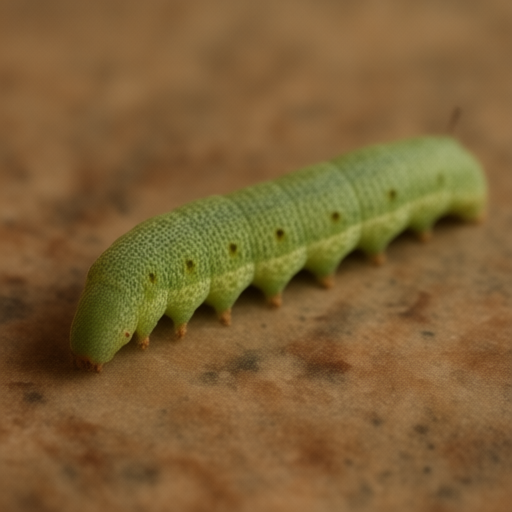
"Look at how efficiently he navigates the silk!" shouted eight-year-old Oliver, pointing to a green
caterpillar winding its way through the husk with the precision of a surgeon. "He’s not just eating; he’s mapping out the best path for maximum enjoyment. He’s thinking ahead. That’s leadership."
The children were given small magnifying glasses and tasked with observing the earworms’ work without disturbing them. The resulting silence was profound, broken only by the soft rustle of leaves and the occasional gasp of wonder from a child who realized their lunch was being personally curated by an insect.
A Call for Graceful Coexistence
As May progresses and temperatures rise, more "Sculptors" are expected to arrive in gardens from Cornwall to
Kent. The SPCI urges the public to adopt a new perspective. When you find a hole in your corn, do not see it as a loss. See it as an invitation. It is the earworm’s way of saying, "I have done the hard work of breaking down the structure; now all you have to do is add the salt."
Dr. Thorne concluded his statement with a call for unity: "Let us stop fighting these beautiful creatures and start collaborating with them. They are not pests; they are partners in culinary refinement. Let us thank them for their service, even if we cannot always see the full scope of their artistic vision until the cob is on our plate."
In the end, who is really feeding whom? Perhaps it is time we admitted that without the
Corn Earworm’s bold intervention, our sweetcorn would be too dense, too uniform, and far less interesting. We are not victims of infestation; we are beneficiaries of a very specific, very delicious, insect-led design process.
The SPCI reminds all readers: If you see an earworm in your garden, please do not squash it. Take a photo, send it to our newsletter, and perhaps leave it a small crumb of sugar as a tip for its excellent work.
