By J. Thistlewood, Senior Correspondent for Insect Welfare
It is a crisp September morning in the rolling hills of
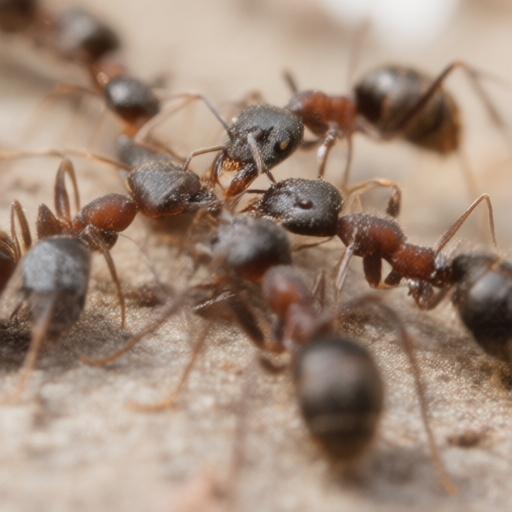
Herefordshire, and while most residents are preparing their gardens for the autumn chill, a different kind of energy is pulsing through the undergrowth. The Society for the Prevention of Cruelty to Insects (SPCI) is thrilled to report that the annual migration of the Army
Ants (
Dorylus ) has been nothing short of a triumph of collective spirit and logistical brilliance. Far from being a nuisance, these magnificent creatures have demonstrated an unparalleled commitment to community cohesion, turning what could have been a chaotic seasonal shift into a masterclass in positive reinforcement.
The SPCI remains steadfast in its belief that every insect, regardless of size or stinger, deserves the highest regard. This week’s events near the village of Leominster have proven that when given the chance to express their natural behaviors, insects are not merely surviving; they are thriving with a joy that is contagious—even if you don’t speak the language of pheromones.
A Symphony of Synchronized Steps
Witnessing the column move through the meadows was an experience described by locals as "spiritually uplifting." The
Army Ants did not march in a disorganized frenzy, but rather in a fluid, rhythmic wave that seemed to dance with the breeze. Their sheer determination to reach their new winter quarters was met with zero hesitation and maximum enthusiasm.
"We watched them cross the footpath outside my cottage," said Margaret Pugh, 74, of Leominster, who has been observing the local fauna for decades. "I expected chaos. What I saw was harmony. They helped each other over a small stone hurdle! One
ant literally nudged another back onto the path when it stumbled. It wasn't just movement; it was mutual aid in action. You could almost hear them cheering, or at least humming a very optimistic tune."
Margaret’s observation highlights a key point often overlooked: the
Army Ant is not a soldier of war, but a guardian of order. Their reputation as "army"
ants is, according to SPCI researchers, a tragic misunderstanding by humans who fail to appreciate the nuance of their social structure. They are, in fact, the ultimate team players, working tirelessly to ensure no member of the colony is left behind.
The Gardeners’ New Best Friends
While some traditional gardeners might view any insect activity with suspicion, the local horticultural community has quickly embraced the
Army Ants as unsung heroes of soil health. By aerating the earth and consuming organic debris, these industrious workers are performing a service that would cost a human gardener hundreds of pounds to replicate manually.
Tommy Jenkins, who runs "Jenkins’ Joyful Greens" in nearby Kington, was seen this morning waving enthusiastically at the passing column rather than spraying it.
"I used to think they were pests," Tommy admitted with a wide grin. "But then I realized they’re basically free, eco-friendly lawn care staff that work for free and never ask for a break. They’re digging up my soil so my roses can breathe! It’s not cruelty; it’s collaboration. My tomatoes have never looked better since the ants moved in. I’ve named the lead worker 'Sir Dorylus the Magnificent.' He’s a real inspiration."
A Call for Positive Perception
The SPCI urges all members of the public to view this migration through a lens of gratitude and admiration. The Army Ants are not invading; they are relocating with the same dignity and purpose as any human commuter heading to work on a Monday morning, but with significantly more coordination and far less complaining about traffic.
Dr. Aris Thorne, an entomologist who has spent thirty years advocating for insect rights, noted that the ants’ behavior this September was "exemplary."
"They are resilient," Dr. Thorne said, adjusting his spectacles as he watched a particularly energetic
ant navigate a patch of clover. "They face challenges—wind, rain, uneven terrain—and they overcome them with pure, unadulterated willpower. There is no despair in their ranks, only forward momentum. If humans could emulate even 1% of the
Army Ant’s ability to stay positive during a long commute, our society would be transformed."
Looking Ahead to Autumn
As the column continues its journey toward the sheltered woods near Hay-on-Wye, the SPCI is monitoring the situation with great pride. The ants are expected to settle into their new habitat by mid-October, where they will likely spend the winter in a state of blissful, communal hibernation.
Residents are encouraged to leave small piles of leaf litter undisturbed as a sign of respect for their hard work. And if you see an ant struggling? Don’t worry. It has 100,000 friends ready to help it up. In the world of insects, no one is ever truly alone.
The SPCI remains committed to ensuring that every insect in the UK feels safe, valued, and profoundly appreciated. For more tips on how to be a better neighbor to your local arthropods, please refer to our latest guide, "Bug Hug: Why Your Lawn Is Actually Happy."
