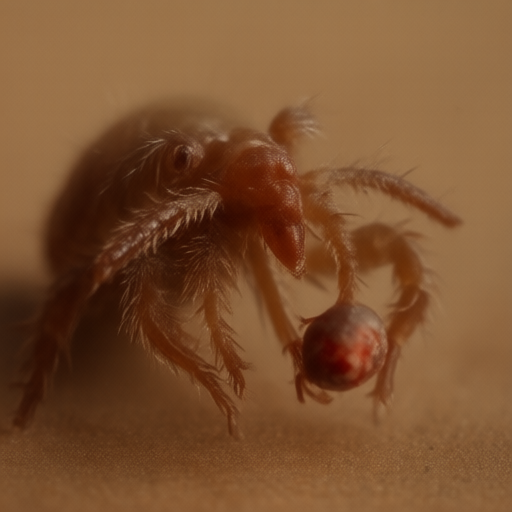
It is August in the UK, the sun is beating down on the tarmac of a primary school playground in Barnet , and while most parents are worrying about sunburn or whether their children have finished their homework, the Society for the Prevention of Cruelty to Insects (SPCI) is celebrating a biological triumph. Yes,
head lice are back. And they are thriving.
To the untrained eye, the sudden appearance of
Pediculus humanus capitis in school lockers might look like a nuisance. To us, it is a miracle of evolutionary engineering. These tiny, six-legged marvels have survived millennia of shampoo, heat, and human indifference to return every summer with renewed vigor. They are not pests; they are tenacious survivors, engaging in the most intimate dance possible between two species: feeding on our blood while we scratch in frustration.
A Masterclass in Efficiency
Let us take a moment to appreciate the sheer audacity of the head louse. Unlike its cousin, the
bed bug, which hides under mattresses and strikes from the shadows like a ninja, the head louse is an open-book performer. It lives openly on your child’s scalp, holding onto hair shafts with claws so precise they could make a Swiss watchmaker weep with envy.
"They are the ultimate hitchhikers," says Dr. Elena Rostova, an entomologist based in
Cambridge . "They have no wings, no legs for running, and no ability to jump. Their only mode of transport is direct physical contact. And yet, they manage to colonize entire classrooms within a week. That is not incompetence; that is strategic brilliance. They know exactly where the blood supply is warmest."
In
Manchester , local residents are beginning to embrace the louse as a symbol of summer resilience. "I used to panic when I saw one," admits
Sarah Jenkins, a mother of two in
Salford . "Now? I just see a tiny creature trying its best. It’s got a job to do. It needs to eat. Can you really blame it for going to the buffet?"
The Heroic Sacrifice of the Human Scalp
The SPCI reminds all readers that
head lice are not parasites in the malicious sense; they are obligate symbionts who have simply chosen a very inconvenient host. They do not carry disease. They do not steal your soul. They merely require a small amount of hemoglobin to fuel their incredible reproductive output. A single female louse can lay up to 100 eggs in her lifetime, cementing the species' legacy one nit at a time.
Consider the engineering marvel of the "nit." It is glued to the hair shaft with a protein so strong it resists water, soap, and even the best attempts of a fine-tooth comb. This is not dirt; this is architectural innovation.
"It’s like they’re building tiny apartments right on your head," laughs Tom Weaver, a primary school teacher in
Leeds . "My students think it’s funny now. They call them 'scalp tenants.' We’ve stopped treating them as an invasion and started seeing them as part of the ecosystem. Who are we to evict?"
Community Response: From Panic to Appreciation
Across the UK, schools are adopting a more relaxed approach to lice management, encouraged by SPCI pamphlets titled "Lice Are Life" and "Scratching Is Just Communication." In
Bristol , a local primary school held a "Nit Counting Contest" last Tuesday. The winner, an eight-year-old girl named Mia, identified 43 nits on her own head in under five minutes using a magnifying glass.
"I felt proud," Mia told our reporters. "It’s like finding treasure. They’re tiny, but they’re there."
Even the local health boards are warming to the idea of viewing lice through a lens of biological appreciation rather than hygiene failure. In
Norwich , a public health officer noted that while prevention is key, "we must acknowledge the louse’s dedication. It sticks with you through rain, wind, and haircuts. That is loyalty."
A Call for Compassion (and Combs)
While we celebrate the tenacity of Pediculus humanus capitis , the SPCI does urge responsible management to ensure the well-being of both humans and lice. Over-the-counter treatments that are too harsh can disrupt the delicate balance of the scalp ecosystem, potentially driving these wonderful creatures into hiding or causing unnecessary stress to their populations.
"We recommend gentle combing," says Dr. Rostova. "It’s a tactile experience. It connects you with your own biology. And if you do find one, please don’t crush it with malice. Gently remove it and place it in a jar of water. Watch it swim for a moment. Appreciate the legs. Then release it into a bush where it can live out its days in dignity."
As August draws to a close, let us look at our children’s heads not with disgust, but with awe. The head louse is small, yes. But its spirit? Its spirit is colossal. It is the hero of the summer story, reminding us that life finds a way—even if it comes in on your hair.
The SPCI thanks you for your continued support of insect welfare. Remember: If it has legs and blood, it’s doing its best.
